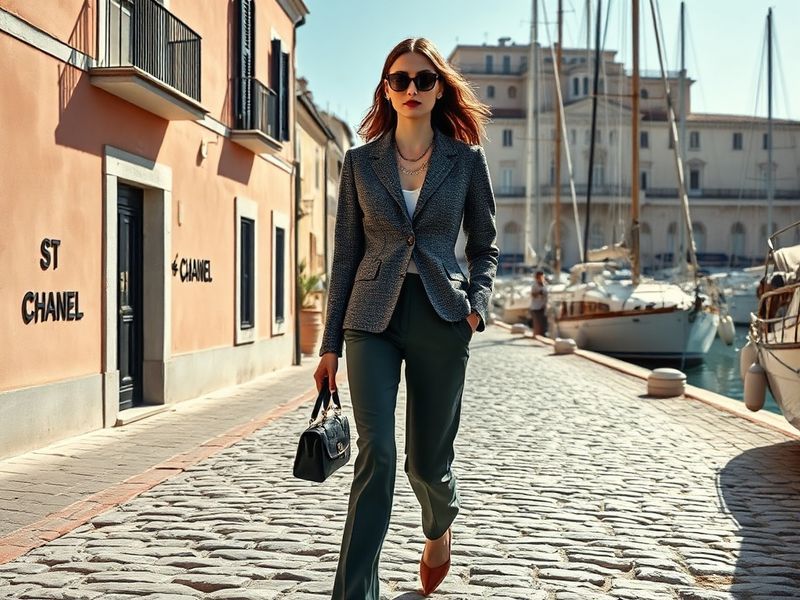
Chanel’s Cruise collections have evolved from practical travel-focused designs into a highlight of the fashion calendar. These seasonal presentations bridge the gap between haute couture and ready-to-wear, offering a curated glimpse into the brand’s artistic direction. Unlike traditional runway shows, Cruise collections often take place in unexpected locations—from historic palaces to remote islands—blending luxury with narrative depth.
What began as a functional line for globe-trotting clients has transformed into a cultural touchstone, influencing trends and consumer expectations. The shows are meticulously staged, reflecting Virginie Viard’s vision for the house since taking the reins from Karl Lagerfeld. Each iteration balances Chanel’s iconic codes—quilted tweed, pearls, camellias—with fresh experimentation, proving that even heritage brands can innovate without losing their soul.
The Purpose and Evolution of Cruise Collections
Chanel introduced its first pre-season Cruise line in 2006 under Lagerfeld’s leadership. The concept was simple: provide transitional pieces that could carry clients from winter to summer while maintaining the brand’s polished aesthetic. Originally marketed as “Resort” or “Holiday” collections, these designs were practical yet aspirational, catering to wealthy clients who traveled frequently.
Over time, the shows grew into full-scale productions. Lagerfeld transformed them into theatrical events, staging them in locations like the Grand Palais in Paris or the Brooklyn Bridge in New York. These choices weren’t arbitrary; they reflected the brand’s global reach and commitment to storytelling. Viard has continued this tradition, selecting venues that evoke both elegance and escapism—such as the Château de Chenonceau in France or a private island in Capri.
The evolution of Cruise collections mirrors broader shifts in fashion. As consumers demand immediacy and relevance, these mid-season releases allow brands to stay competitive. For Chanel, Cruise shows are less about selling individual items and more about reinforcing the maison’s identity. They serve as a bridge between the exclusivity of couture and the accessibility of ready-to-wear, ensuring that the brand remains top of mind year-round.
Key Elements That Define a Chanel Cruise Collection
Every Chanel Cruise presentation is built on a few signature elements, even as Viard introduces subtle variations. The most recognizable motif is tweed, often reimagined in unexpected textures or color combinations. The brand’s iconic 2.55 bag frequently appears, sometimes in new materials like transparent vinyl or embellished with crystals. Camellias, Chanel’s floral emblem, are also a recurring motif, whether as embroidery, prints, or accessories.
Color palettes tend to favor muted tones—soft whites, dusty pinks, and earthy greens—paired with bold accents like electric blue or fiery red. Silhouettes remain timeless yet modern, with tailored coats, fluid midi dresses, and asymmetrical hemlines. Footwear often features Chanel’s signature two-tone slingbacks or newly designed sandals with architectural detailing.
Accessories play a crucial role in these collections. Hats, gloves, and jewelry are designed to complement the clothing while standing out on their own. Viard has also reintroduced vintage-inspired pieces, such as the 1950s-style cuffs or the reimagined “Coco” slingback. These details reinforce Chanel’s heritage while appealing to contemporary tastes.
How Chanel Cruise Influences the Fashion Industry
The impact of Chanel’s Cruise collections extends far beyond the brand itself. These shows set trends that ripple through the industry, influencing everything from ready-to-wear to high-street fashion. Designers and buyers attend these presentations to gauge upcoming directions in color, fabric, and silhouette. Even competitors like Dior and Louis Vuitton have adopted similar pre-season strategies, recognizing the commercial and cultural value of mid-season releases.
One of the most notable trends sparked by Chanel Cruise is the resurgence of tailored outerwear. The brand’s structured coats and jackets often inspire similar designs from other labels, particularly in the luxury market. The use of unexpected materials—such as neoprene or metallic fabrics—has also trickled down into mass-market collections, proving that innovation in high fashion eventually reaches everyday consumers.
The influence isn’t limited to clothing. Chanel’s accessory designs, from handbags to shoes, frequently become instant classics. The brand’s ability to blend timelessness with modernity ensures that its pieces remain desirable across generations. This strategy has helped Chanel maintain its position as one of the most valuable fashion houses in the world.
The Business Strategy Behind Cruise Collections
From a commercial standpoint, Chanel’s Cruise collections are a masterclass in brand management. By releasing these mid-season lines, the brand keeps its name in the spotlight during slower periods of the fashion cycle. The shows generate significant media coverage, social media buzz, and retail interest, all of which drive sales and maintain consumer engagement.
These collections also allow Chanel to test new ideas before they appear in its main ready-to-wear lines. Viard often introduces experimental fabrics, bold prints, or unconventional silhouettes in Cruise shows, gauging audience reaction before committing to them for larger collections. This approach minimizes risk while fostering creativity.
Retailers benefit from these releases as well. Department stores and boutiques can stock Cruise pieces early, giving customers fresh options during transitional seasons. The strategy also encourages repeat visits to stores, as shoppers return to see what’s new. Chanel’s ability to balance exclusivity with accessibility ensures that its Cruise collections appeal to both high-net-worth clients and aspirational buyers.
Where to See Chanel Cruise in Action
Chanel’s Cruise shows are legendary for their locations and production value. While the brand has taken its presentations to some of the world’s most iconic sites, a few stand out for their cultural and historical significance. Here’s a look at some of the most memorable venues:
- Le Grand Palais, Paris (2018) – A nod to the brand’s French heritage, this show featured a grand setting with a massive glass ceiling, allowing natural light to enhance the tweed and lace designs.
- Capri, Italy (2020) – Set on a private island, this presentation embraced the Mediterranean lifestyle with flowing dresses, nautical stripes, and sun-bleached palettes.
- Château de Chenonceau, France (2022) – The fairytale-like castle provided a romantic backdrop for Viard’s tribute to Coco Chanel’s love of history and architecture.
- Moscow’s Red Square (2023) – A bold choice that highlighted the brand’s global reach, this show featured a mix of Russian-inspired embroidery and classic Chanel silhouettes.
For those unable to attend the shows in person, Chanel ensures that the experience is accessible online. The brand livestreams its presentations on its official website and social media channels, reaching millions of viewers worldwide. Behind-the-scenes footage, designer interviews, and exclusive content further enhance the digital experience, making it feel like a front-row seat.
If you’re interested in exploring more about Chanel’s influence on fashion, check out our Fashion category for in-depth analysis and trend reports. For a closer look at how heritage brands evolve in the modern era, visit our Culture section.
The Future of Chanel Cruise
As fashion continues to evolve, so too will Chanel’s Cruise collections. Virginie Viard has already begun experimenting with sustainability, incorporating eco-friendly fabrics and ethical production methods into recent shows. This shift reflects growing consumer demand for responsible fashion, as well as the industry’s broader push toward sustainability.
Digital innovation is another area where Chanel is likely to expand. Virtual and augmented reality could play a larger role in future Cruise presentations, offering immersive experiences for global audiences. The brand has already dabbled in digital fashion with non-fungible tokens (NFTs) and virtual try-on tools, signaling a willingness to embrace technology.
Despite these changes, the core essence of Chanel Cruise will likely remain intact. The collections will continue to blend heritage with modernity, offering a timeless yet relevant vision of luxury. As long as the brand stays true to its DNA while adapting to the times, its Cruise shows will remain a highlight of the fashion calendar.
Chanel Cruise is more than just a seasonal showcase—it’s a cultural institution. From its origins as a travel-focused line to its current status as a trendsetting spectacle, the collection embodies the brand’s ability to innovate while honoring its past. For fashion enthusiasts, these shows offer a glimpse into the future of style, proving that even the most established houses can stay fresh and exciting.