Cardinal Birds: Symbolism, Culture, and Conservation Around the World
“`html
Cardinals Around the World: Symbols of Faith, Power, and Culture
The cardinal bird holds a unique place in nature and human symbolism. With its vivid red plumage and melodic song, it appears in backyards across North America, where it is often the first bird people notice at bird feeders. Yet beyond its role as a familiar garden visitor, the cardinal carries deep cultural significance in regions far beyond its native range. From European heraldry to Vatican iconography, this striking bird has been woven into the fabric of human tradition for centuries.
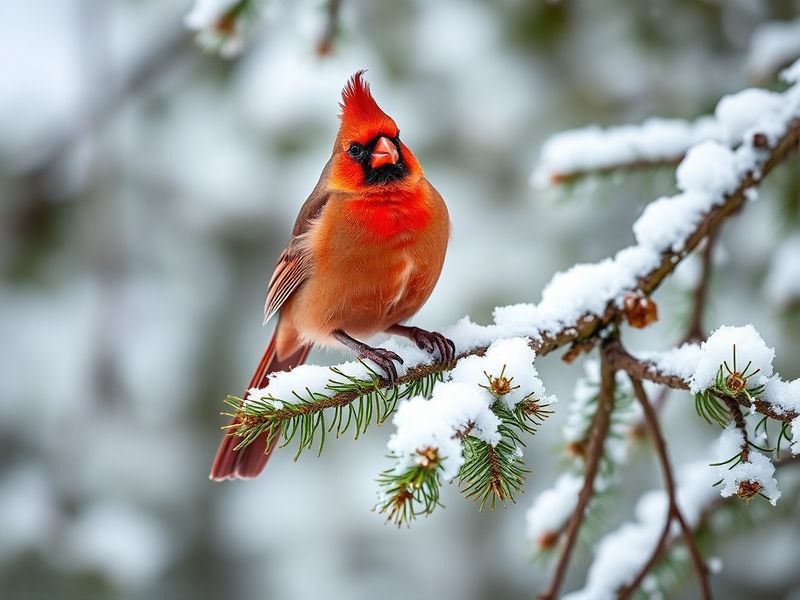
The northern cardinal (Cardinalis cardinalis) is the most recognizable species, native to the eastern United States, southeastern Canada, and parts of Mexico. The male’s bright red feathers and black face mask contrast sharply with the female’s softer brown tones and red accents. While the species is non-migratory, it thrives in a variety of habitats—from dense forests to suburban gardens—making it a common sight for millions of people.
The Cardinal in Religion and Spirituality
In Christian tradition, particularly within Catholicism, the cardinal bird is often associated with vitality, hope, and the presence of the divine. Its red color has long been linked to the blood of Christ and the robes of cardinals in the Roman Catholic Church. The bird’s name itself is derived from the Latin cardinalis, meaning “principal” or “key,” a title originally given to high-ranking clergy in the 10th century. These church officials wore deep red robes, mirroring the bird’s color.
The connection between the bird and the clergy is so strong that in many Catholic communities, especially in the United States, a cardinal sighting is seen as a sign of spiritual presence or blessing. Some believers interpret the bird’s appearance as a message of encouragement, particularly during difficult times. In Latin America, the cardinal appears in local folklore as a messenger between heaven and earth, its song carrying prayers to the divine.
Interestingly, this religious symbolism extends beyond Christianity. In Chinese culture, red birds—often depicted as phoenixes—represent fire, passion, and renewal. While not the same species, the cardinal’s color evokes similar themes of energy and transformation in Eastern traditions.
Cardinals in Mythology and Folklore
Across the Americas, indigenous cultures have long recognized the cardinal’s presence. Among the Cherokee, the bird is seen as a bringer of messages from the spirit world. Its loud, clear whistle is believed to carry voices of ancestors or nature spirits. Similarly, in some Native American traditions, the cardinal is a symbol of leadership and boldness, qualities admired in tribal chiefs and warriors.
In European folklore, the cardinal appears less frequently but is still noted for its striking appearance. Some medieval bestiaries describe it as a bird of great courage, unafraid to defend its territory even against larger birds. This reputation for boldness aligns with the bird’s real-life behavior, as male cardinals are known to aggressively protect their nesting areas, even attacking their reflections in mirrors or windows.
The cardinal’s symbolism also appears in literature and art. In 19th-century American poetry, the bird often symbolized home, constancy, and the enduring presence of loved ones. Poets like John Burroughs celebrated its year-round song, a rare trait among birds, as a reminder of life’s persistence through winter.
Cardinals as National and State Symbols
The northern cardinal’s popularity has led to its adoption as an official emblem in several U.S. states. It is the state bird of Illinois, Indiana, Kentucky, North Carolina, Ohio, Virginia, and West Virginia. This widespread recognition reflects not only the bird’s beauty but also its cultural resonance across diverse regions. Each state’s choice highlights local pride and connection to the natural environment.
In Canada, the cardinal is equally cherished. It is the official bird of the province of Ontario, where it is celebrated in local art, festivals, and even sports teams. The Toronto Blue Jays baseball team, for example, adopted the cardinal as a secondary symbol, reflecting the bird’s status as a beloved national icon.
Beyond North America, the concept of a “cardinal” extends into politics and governance. The term is widely used in European monarchies and republics to denote high-ranking officials. For instance, in Spain, the Cardenal is a senior church leader, while in Italy, cardinals serve as advisors to the Pope. This shared terminology underscores the bird’s global influence on language and authority.
Observing and Protecting the Cardinal
For birdwatchers and nature enthusiasts, the cardinal is a year-round resident that rewards patience with its bright presence. Unlike migratory birds that pass through briefly, the cardinal remains visible even in snowy winters, its red feathers standing out against white landscapes. Providing sunflower seeds, safflower seeds, and fresh water can attract cardinals to gardens, offering endless opportunities for observation.
Conservation efforts have helped maintain healthy cardinal populations. While the species is not currently endangered, habitat loss and pesticide use pose threats in some regions. Organizations like the National Audubon Society and local wildlife groups encourage planting native shrubs and avoiding chemicals to support backyard biodiversity. The cardinal’s adaptability has helped it thrive in human-altered landscapes, but continued stewardship is essential.
The cardinal’s global symbolism reveals how a single species can transcend borders, cultures, and centuries. Whether as a religious icon, a poetic muse, a state symbol, or a backyard visitor, it continues to inspire awe. Its bright colors and persistent song serve as a reminder of nature’s quiet yet profound presence in human life.
A Living Emblem of Connection
In an age of rapid change, the cardinal offers a sense of continuity. Its year-round song, territorial calls, and unchanging plumage provide stability in an unpredictable world. Whether spotted in a quiet forest or a bustling city park, the bird connects people to each other and to the natural world. Its presence is a subtle invitation to pause, listen, and reflect on the enduring rhythms of life.
As climate patterns shift and urban landscapes expand, the cardinal’s ability to adapt remains a testament to nature’s resilience. Its story is not just one of survival, but of symbiosis—bridging human culture and wildlife in ways few other birds can. In every red flash against green foliage, a deeper story unfolds—one of faith, identity, and the quiet strength found in the natural world.
How to Attract Cardinals to Your Garden
Want to invite these vibrant birds into your outdoor space? Here are a few practical steps:
- Offer the right food: Cardinals prefer sunflower seeds, safflower seeds, and cracked corn. Avoid seed mixes with milo or wheat, which they typically ignore.
- Provide fresh water: A birdbath or shallow dish with clean water will attract cardinals, especially in winter when sources may freeze.
- Plant dense shrubs: Cardinals nest in thickets and low branches. Consider planting holly, juniper, or dogwood to offer shelter and nesting sites.
- Keep feeders clean: Regularly wash feeders to prevent disease, and place them in quiet, sheltered spots away from predators.
- Embrace winter feeding: Unlike many birds, cardinals do not migrate. Supplying food in cold months can help them survive when natural sources are scarce.
By creating a welcoming environment, you not only enjoy the cardinal’s beauty but also contribute to local biodiversity. In return, these striking birds may become regular visitors—bringing color, song, and a touch of wild grace to your daily routine.