EV Dealerships: How Electric Vehicles Are Reshaping Car Sales
“`html
The Evolution of Automotive Retail
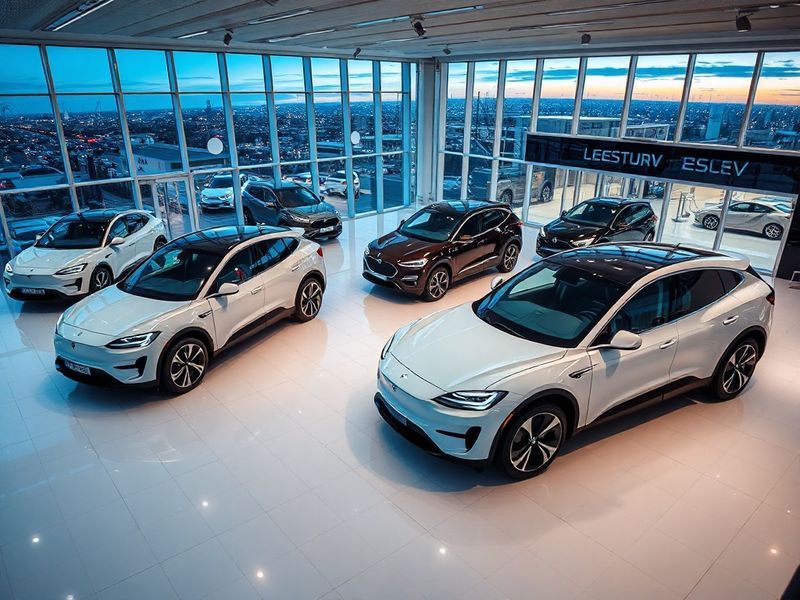
The automotive industry has undergone significant transformation over the past decade, driven largely by the rise of electric vehicles (EVs). This shift has not only redefined engineering and manufacturing but has also revolutionized how consumers purchase cars. Traditional dealerships, once the sole gatekeepers of vehicle sales, now share the stage with innovative digital-first showrooms and hybrid retail models.
Globally, the adoption of EVs has accelerated due to environmental concerns, government incentives, and advancements in battery technology. Countries like Norway, China, and parts of the United States have emerged as leaders in EV adoption, pushing dealerships to adapt or risk obsolescence. The transition has forced automotive retailers to rethink their business models, customer engagement strategies, and even their physical spaces.
In markets where EV adoption is still in its infancy, traditional dealerships face a steep learning curve. Many are investing in training programs to educate staff about electric vehicle technology, charging infrastructure, and federal/state incentives. Some have partnered with tech companies to offer seamless online purchasing experiences, blending the convenience of e-commerce with the trust of in-person service.
Key Differences Between EV and Traditional Dealerships
EV dealerships differ from their gasoline-powered counterparts in several critical ways. While traditional dealerships often prioritize high-pressure sales tactics and upselling add-ons like extended warranties or maintenance packages, EV dealerships tend to focus on education and transparency. Customers visiting an EV showroom typically want detailed information about battery range, charging times, and software updates—details that require a more consultative approach.
Another distinguishing factor is the role of test drives. For many EV shoppers, a test drive is less about experiencing the vehicle’s acceleration and more about evaluating its charging capabilities and software interface. Dealers have responded by offering extended test periods, home trial programs, and even loaner vehicles equipped with charging stations.
Additionally, the service model for EVs differs significantly. Unlike internal combustion engine (ICE) vehicles, which require frequent oil changes and transmission service, EVs have fewer moving parts. This reduces the need for traditional maintenance but increases demand for software diagnostics and battery health assessments. Many EV dealerships are expanding their service centers to include certified technicians who specialize in high-voltage systems.
Charging Infrastructure: A Critical Component
One of the biggest challenges for EV dealerships is addressing range anxiety—a concern that persists despite advancements in battery technology. To mitigate this, many dealerships are incorporating charging stations into their facilities, offering customers the opportunity to charge their vehicles while they shop or complete paperwork. Some have even partnered with charging network providers to install fast-charging stations in their parking lots.
In regions where public charging infrastructure is sparse, dealerships play a pivotal role in educating consumers about home charging solutions. Sales representatives often provide in-home consultations to assess electrical capacity and recommend appropriate charging equipment. This level of service helps build trust and reassures customers that they are making an informed purchase.
Global Variations in EV Dealership Models
The approach to EV dealerships varies significantly across the globe, reflecting differences in market maturity, consumer preferences, and regulatory environments. In Europe, for example, many automakers have adopted a direct-to-consumer model, bypassing traditional dealerships entirely. Tesla, which pioneered this approach, has set a precedent for other manufacturers to sell vehicles online or through company-owned showrooms.
In contrast, markets like China and India are embracing a hybrid model, where dealerships serve as both retail outlets and service centers. Chinese EV manufacturers such as NIO and BYD have invested heavily in dealership networks that offer not only vehicle sales but also battery-swapping stations, mobile service units, and even community events to foster brand loyalty.
In the United States, the transition has been more gradual. While Tesla’s direct-to-consumer model has disrupted the industry, legacy automakers like Ford and GM are still heavily reliant on franchised dealerships. However, these dealerships are increasingly adapting by offering EV-specific inventory, dedicated sales teams, and partnerships with charging providers.
Challenges Facing EV Dealerships
Despite the opportunities, EV dealerships face several challenges as they navigate this evolving landscape. One of the most pressing issues is the high upfront cost of EV inventory. Traditional dealerships often rely on floorplan financing to stock vehicles, but the premium pricing of EVs can strain cash flow. Additionally, the rapid pace of technological change means that dealerships must continually update their inventory to keep up with new models and software updates.
Another challenge is the need for specialized training. Unlike gasoline-powered vehicles, EVs require sales and service staff to have a deep understanding of high-voltage systems, battery chemistry, and software integration. Many dealerships are partnering with automakers to provide ongoing education, but the learning curve remains steep for some employees.
Finally, dealerships must contend with regulatory hurdles. In some regions, laws governing franchise agreements and dealership ownership limit the ability of automakers to sell directly to consumers. This has led to legal battles, particularly in states like Texas and New Jersey, where traditional dealership associations have pushed back against Tesla’s direct-to-consumer model.
The Future of EV Dealerships
The future of EV dealerships will likely be shaped by three key trends: digital integration, sustainability, and customer-centric service. As online sales continue to grow, dealerships are investing in virtual showrooms, augmented reality (AR) tools, and AI-powered chatbots to enhance the shopping experience. These technologies allow customers to explore vehicles in detail, customize features, and even take virtual test drives from the comfort of their homes.
Sustainability is also becoming a priority for EV dealerships. Many are adopting eco-friendly practices, such as installing solar panels, using recycled materials in their showrooms, and offering carbon-neutral financing options. Some dealerships are even exploring the use of electric vehicle fleets for their service and delivery operations, further reducing their environmental footprint.
Customer-centric service will remain at the heart of the EV dealership experience. As the technology becomes more mainstream, consumers will expect a seamless, hassle-free purchasing process. This includes transparent pricing, flexible financing options, and robust after-sales support. Dealerships that prioritize these aspects will not only attract new customers but also build long-term loyalty.
Lessons from Early Adopters
Several dealerships have already set benchmarks for what an effective EV retail model looks like. In Norway, where EVs account for over 80% of new car sales, dealerships like Møller Mobility Group have embraced a consultative approach, offering detailed product demonstrations and charging consultations. Their success has demonstrated the importance of education and customer empowerment in driving EV adoption.
In the United States, Rivian’s Adventure Network—a series of service and delivery centers—has redefined the dealership experience for adventure-focused consumers. These centers are designed to be welcoming and immersive, with features like outdoor gear storage and community event spaces. By aligning their facilities with the lifestyle of their target audience, Rivian has created a model that resonates with younger, environmentally conscious buyers.
Meanwhile, in China, dealerships like those operated by XPeng have integrated social commerce into their sales strategies. Customers can explore vehicles through live-streamed showroom tours, interact with influencers, and even participate in virtual test drives. This approach leverages the country’s thriving digital culture to create a more engaging and interactive purchasing experience.
What’s Next for Consumers?
For consumers, the rise of EV dealerships offers both challenges and opportunities. On one hand, the variety of purchasing options—from traditional showrooms to online platforms—can be overwhelming. On the other hand, the increased competition among dealerships has led to better pricing, more transparent policies, and enhanced customer service.
To navigate this landscape, consumers should research thoroughly before visiting a dealership. Key considerations include:
- Understanding your driving habits and charging needs
- Comparing incentives and rebates available in your region
- Evaluating the dealership’s service and support capabilities
- Exploring financing and leasing options tailored to EVs
For those interested in learning more about the latest EV models and dealership innovations, websites like Dave’s Locker Automotive offer comprehensive guides and reviews. Whether you’re a first-time EV buyer or a seasoned enthusiast, staying informed will help you make the best decision for your needs.
Conclusion: A New Era for Automotive Retail
The rise of EV dealerships marks a pivotal moment in the automotive industry. As electric vehicles become the norm rather than the exception, dealerships must evolve to meet the demands of a more informed and environmentally conscious consumer base. Those that prioritize education, sustainability, and customer service will thrive in this new era, while those that resist change may struggle to survive.
The global shift toward EVs is not just about reducing carbon emissions—it’s about reimagining the entire automotive retail experience. From digital-first sales platforms to immersive in-person showrooms, the future of dealerships will be defined by innovation and adaptability. For consumers, this means greater choice, better service, and a more sustainable way to own a vehicle.
As the industry continues to evolve, one thing is clear: the dealerships that embrace change will lead the way. Whether through partnerships with tech companies, investments in charging infrastructure, or a renewed focus on customer education, the most successful EV dealerships will be those that prioritize the needs and values of their customers.