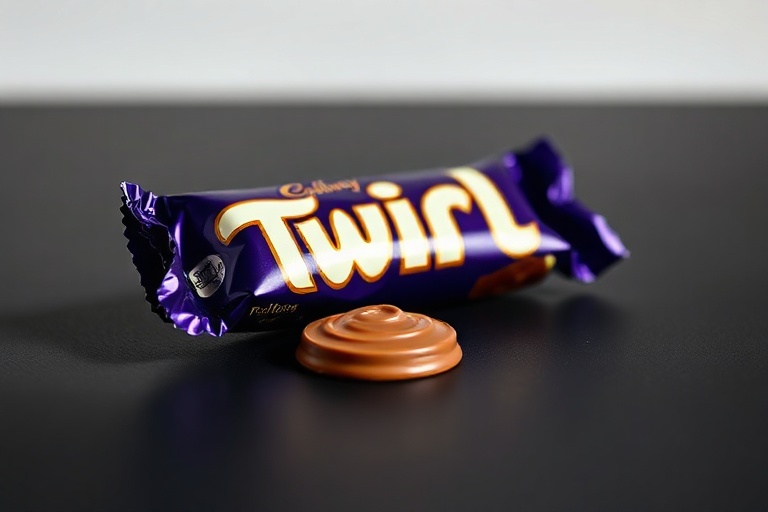
Cadbury Twirl has carved out a unique space in the global chocolate market since its introduction in 1978. Born from the British confectionery giant Cadbury, the Twirl emerged as a playful twist on the classic chocolate bar, offering consumers a distinct texture and experience. Its elongated shape, featuring two thin chocolate strands twisted together, set it apart from the square-cut competition. Over four decades, the Twirl has evolved from a novelty item to a staple in candy aisles worldwide, adapting to changing tastes and market demands while maintaining its core identity.
The Origins and Evolution of the Twirl
The Twirl’s creation was rooted in innovation. Cadbury sought to differentiate itself from rivals like Mars and Nestlé by introducing a chocolate bar that was not only visually distinctive but also texturally engaging. The original Twirl consisted of two thin layers of Cadbury’s signature Dairy Milk chocolate, twisted together in a spiral pattern. This design not only made the bar easier to break into smaller pieces but also enhanced the melting experience in the mouth.
In the 1980s, the Twirl expanded its reach beyond the UK, becoming a hit in Commonwealth countries like Australia and Canada. Its success in these markets laid the groundwork for global distribution. By the 1990s, Cadbury had introduced variations such as the Twirl Bites, bite-sized versions of the original, catering to consumers looking for convenience without sacrificing flavor. The brand continued to innovate, launching limited-edition flavors like caramel and orange, which temporarily expanded its appeal.
The Twirl’s adaptability has been a key factor in its longevity. Unlike some confectionery products that fade into obscurity, the Twirl has consistently reinvented itself. For example, in the 2010s, Cadbury introduced the Twirl Duos, a sharing-sized version designed for multiple servings. This move reflected a broader industry trend toward products that cater to social consumption habits, particularly in regions like Europe and North America.
Cultural Impact Across Different Regions
The Twirl’s journey has not been uniform across the globe. In the UK, it became a cultural touchstone, often featured in advertisements and associated with nostalgic childhood memories. British consumers embraced the Twirl as part of their daily snacking routines, whether as an after-school treat or a midday pick-me-up. The bar’s presence in popular culture was further solidified by its inclusion in school lunchboxes and as a staple in corner shops and supermarkets.
In contrast, the Twirl’s reception in the United States was more measured. American chocolate preferences have historically favored sweeter, creamier textures, which made the Twirl’s lighter, twist-oriented design a harder sell. Cadbury initially struggled to gain traction in the US market, where consumers were more accustomed to brands like Hershey’s and Reese’s. However, the Twirl found a niche among chocolate enthusiasts who appreciated its unique texture and lighter cocoa content. Over time, Cadbury’s strategic partnerships with retailers like Walmart and Target helped increase its visibility.
In India, the Twirl entered a market dominated by local favorites like Cadbury Dairy Milk and Amul. Cadbury India leveraged the Twirl’s international appeal, positioning it as a premium offering. The brand’s marketing campaigns in India often highlighted the Twirl’s twist design as a symbol of indulgence, targeting young adults and urban professionals. This strategy paid off, as the Twirl became a sought-after chocolate bar in metropolitan areas like Mumbai and Delhi.
- UK: Nostalgic staple, featured in school lunchboxes and advertisements.
- US: Niche appeal among chocolate connoisseurs, growing visibility in retail chains.
- India: Premium positioning, targeted at urban professionals and young adults.
- Australia: Early adopter, embraced as a classic confectionery item.
Marketing Strategies and Branding
Cadbury’s marketing of the Twirl has always emphasized its playful and indulgent qualities. Early advertisements in the UK featured the slogan “Twirl into happiness,” which tapped into the emotional appeal of chocolate as a mood enhancer. The brand’s campaigns often used vibrant, youthful imagery, positioning the Twirl as a fun and accessible treat. This approach resonated with younger audiences, who saw the Twirl as a symbol of carefree enjoyment.
As the Twirl expanded globally, Cadbury tailored its marketing strategies to local tastes. In India, for example, advertisements highlighted the chocolate’s “twist of joy,” a phrase that blended the product’s design with the cultural emphasis on happiness and celebration. In the US, Cadbury leaned into the Twirl’s uniqueness, positioning it as a “different kind of chocolate bar” that stood out from the competition.
Social media has also played a significant role in the Twirl’s branding. Cadbury has leveraged platforms like Instagram and TikTok to create interactive campaigns, such as challenges that encouraged users to share their Twirl moments. These campaigns not only increased brand visibility but also fostered a sense of community among consumers. For instance, the #TwirlTime challenge invited users to share photos of themselves enjoying a Twirl, creating a digital scrapbook of global chocolate lovers.
The Future of the Twirl
The Twirl’s future looks promising, thanks to Cadbury’s commitment to innovation and sustainability. In response to growing consumer demand for ethical sourcing, Cadbury has pledged to use 100% sustainable cocoa in its products by 2025. This commitment aligns with the values of younger generations, who prioritize sustainability in their purchasing decisions. The Twirl’s role in this initiative underscores its relevance in an evolving market.
Cadbury is also exploring new variations of the Twirl to cater to changing consumer preferences. Plant-based and vegan-friendly options are in development, reflecting the global shift toward plant-based diets. Additionally, limited-edition flavors continue to generate buzz, with recent introductions like salted caramel and raspberry hinting at the brand’s willingness to experiment. These innovations ensure that the Twirl remains fresh and exciting for both new and loyal consumers.
The rise of e-commerce has also opened new avenues for the Twirl. Online platforms like Amazon and Cadbury’s own website have made it easier for consumers to purchase the bar, especially in regions where it is not widely available in physical stores. This digital expansion has helped the Twirl reach niche markets and cater to the growing demand for online snacking.
As we look ahead, the Twirl’s legacy is secure. Its ability to adapt to cultural shifts, embrace sustainability, and innovate with new flavors ensures that it will remain a beloved chocolate bar for generations to come. Whether enjoyed as a quick snack or shared among friends, the Twirl continues to deliver a moment of joy—one twist at a time.
For those looking to explore more about Cadbury’s global confectionery empire, check out our Food section for additional articles on iconic chocolate brands and their cultural impact.