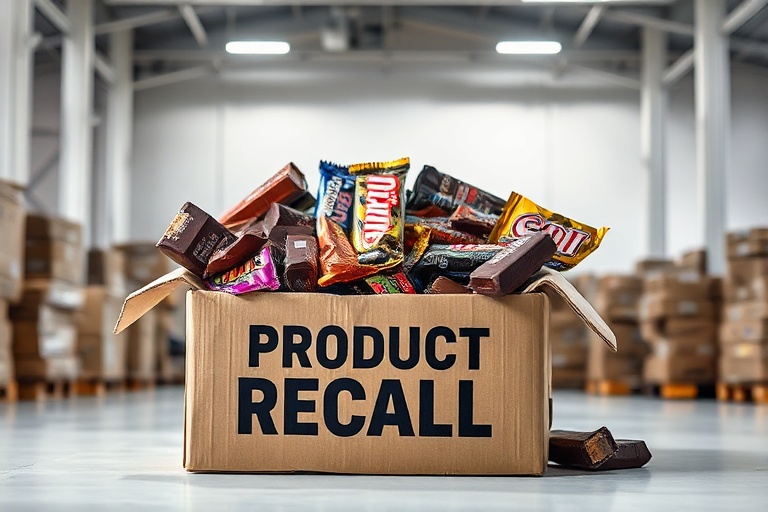
Chocolate recalls have become an unsettling trend in the confectionery industry, forcing manufacturers to pull products from shelves due to contamination risks. These incidents expose vulnerabilities in food safety protocols while eroding consumer trust. The stakes are high, as chocolate recalls often involve allergens, heavy metals, or microbial hazards that can pose serious health risks.
The Hidden Dangers Behind Chocolate Recalls
Recent recalls have shed light on the potential hazards lurking in chocolate products. The most common triggers include:
- Undisclosed allergens: Traces of nuts, milk, or soy that aren’t listed on labels can endanger consumers with severe allergies.
- Heavy metal contamination: Elevated levels of lead or cadmium, often from soil or processing equipment, have led to multiple recalls in recent years.
- Microbial contamination: Pathogens like salmonella or listeria can infiltrate chocolate during improper handling or storage.
- Foreign objects: Metal fragments, plastic, or other debris discovered during quality checks have forced swift recalls.
In 2023 alone, the U.S. Food and Drug Administration (FDA) issued recalls for dozens of chocolate products, ranging from mass-market bars to artisanal truffles. One notable case involved a major manufacturer pulling over 30,000 units due to elevated cadmium levels, a naturally occurring metal found in cocoa beans. While cadmium occurs in trace amounts, prolonged exposure—especially in children—can lead to long-term health complications.
Why Recalls Are More Than Just Bad PR
The ripple effects of a chocolate recall extend far beyond negative headlines. For manufacturers, the financial toll is immediate. Product liability lawsuits, lost sales, and the cost of retrieving affected inventory can cripple even well-established brands. Beyond the balance sheet, recalls damage brand reputation, a critical asset in an industry built on indulgence and trust.
Consumers, too, bear the consequences. Families who rely on specific chocolate products for dietary needs face uncertainty. Parents of children with nut allergies, for example, must scrutinize labels with renewed caution. The psychological impact is equally significant; a single recall can leave lasting doubts about the safety of an entire product category.
Regulatory scrutiny also intensifies after high-profile recalls. The FDA and other agencies often ramp up inspections, leading to stricter enforcement of food safety standards. While this benefits public health, it places additional pressure on manufacturers to tighten their supply chains and quality control measures.
The Supply Chain’s Role in Chocolate Safety
The global chocolate supply chain is a complex web stretching from cocoa farms in West Africa to processing plants in Europe and North America. Contamination risks emerge at every stage, often due to factors beyond a single company’s control:
- Cocoa farming practices: Soil conditions in certain regions naturally contain higher levels of heavy metals, which can be absorbed by cocoa plants. Farmers may lack the resources to mitigate this risk.
- Processing and manufacturing: Cross-contamination can occur if equipment isn’t properly cleaned between batches. Shared facilities that process nuts and chocolate are particularly vulnerable.
- Storage and transportation: Improper temperature control or humidity levels can promote microbial growth, especially in products with high sugar content.
- Labeling errors: Human oversight or inadequate testing can result in mislabeled allergens or missing ingredients, leading to accidental ingestion by sensitive individuals.
Addressing these challenges requires collaboration across the industry. Some chocolate companies are investing in third-party certifications, such as Fair Trade or organic labels, to reassure consumers. Others are adopting blockchain technology to trace cocoa beans from farm to factory, ensuring transparency and accountability.
What Consumers Can Do to Stay Informed
While recalls are unavoidable in any food industry, consumers can take steps to minimize risks. The FDA’s Recalls, Market Withdrawals & Safety Alerts page is a reliable resource for tracking affected products. Signing up for recall notifications ensures you’re among the first to know if a favorite chocolate bar is pulled from shelves.
Additionally, familiarizing yourself with common recall triggers can help you shop smarter. If you or a family member has allergies, always check ingredient lists—even for products you’ve purchased before, as formulations can change. For those concerned about heavy metals, opting for chocolates made from single-origin cocoa beans may reduce exposure, as these beans often come from regions with lower contamination risks.
It’s also worth noting that not all recalls are created equal. The FDA classifies recalls into three categories based on severity:
- Class I: A situation where there is a reasonable probability that the use of the product will cause serious adverse health consequences or death.
- Class II: A situation where the use of the product may cause temporary or medically reversible adverse health consequences.
- Class III: A situation where the use of the product is not likely to cause adverse health consequences.
Understanding these classifications can help you prioritize which recalls warrant immediate action.
Looking Ahead: Can the Chocolate Industry Recover Its Sweet Reputation?
The chocolate industry is at a crossroads. Consumer demand for transparency and safety has never been higher, and manufacturers must adapt or risk further erosion of trust. Innovations in food safety technology, such as real-time contaminant testing and AI-driven quality control, offer promising solutions. Yet, these advancements come with significant costs, particularly for smaller producers who may lack the resources to implement them.
Regulatory bodies are also stepping up their game. The FDA’s Closer to Zero initiative aims to reduce exposure to toxic elements in foods, including chocolate. While these efforts are commendable, they also highlight the need for a balanced approach—one that protects public health without stifling innovation or pricing out smaller players.
For consumers, the message is clear: stay vigilant, but don’t abandon chocolate entirely. The occasional recall is a reminder of the complexities behind our favorite treats, not a reason to swear them off. By supporting brands that prioritize safety and sustainability, we can encourage the industry to do better.
Ultimately, the goal isn’t perfection—it’s progress. With continued advancements in technology, stricter regulations, and a renewed commitment to transparency, the chocolate industry can turn these bitter lessons into a sweeter future.