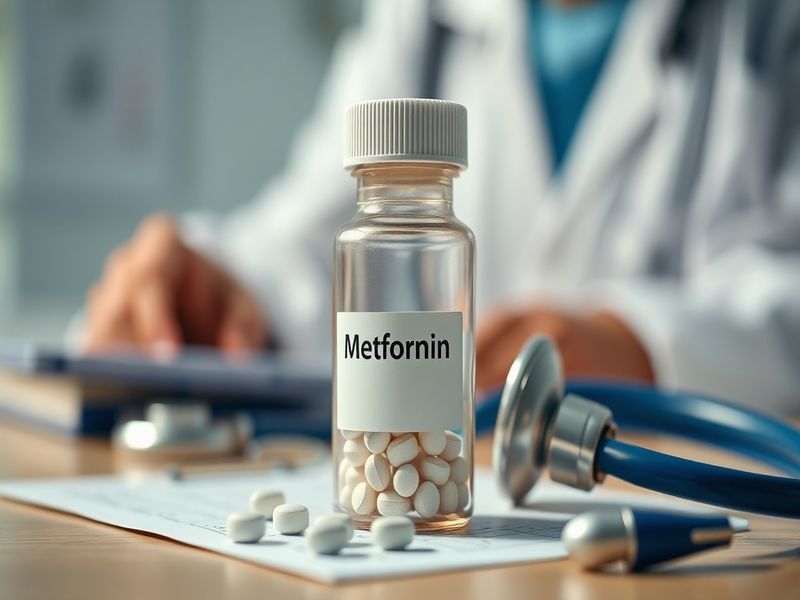
Metformin: The Diabetes Drug With Global Impact and Hidden Potential
What Is Metformin and How Does It Work?
Metformin is one of the most widely prescribed medications in the world. Primarily used to treat type 2 diabetes, it belongs to the biguanide class of drugs. Its primary function is to lower blood sugar levels by decreasing glucose production in the liver and improving insulin sensitivity in muscle tissue. Unlike some diabetes medications that stimulate insulin release, metformin works without causing dangerous drops in blood sugar, making it a safer option for long-term use.
Originally derived from the French lilac plant, metformin has been in clinical use since the 1950s. Its effectiveness, low cost, and relatively mild side effects have cemented its place as a first-line treatment in diabetes care. In many countries, it is available as a generic medication, which further reduces healthcare costs—a critical factor in global health access.
A Brief History of Metformin’s Rise
Metformin’s journey from botanical remedy to modern medicine is a story of scientific persistence. French physician Jean Sterne first introduced it under the brand name Glucophage (“glucose eater”) in 1957. Initially, it faced skepticism due to its slow onset of action compared to insulin injections. However, by the 1990s, large-scale clinical trials confirmed its benefits, including reduced cardiovascular risks and potential weight loss.
Today, metformin is not only used for diabetes but is also being studied for conditions like polycystic ovary syndrome (PCOS) and even aging. Its long history and evolving applications reflect how foundational medications often transcend their original purpose.
Global Use and Accessibility: A Pill for Millions
Metformin’s reach extends far beyond Western healthcare systems. In India, it is a cornerstone of diabetes management, often prescribed as part of the national diabetes control program. In Africa, where diabetes rates are rising rapidly, metformin is distributed through public health initiatives to combat the epidemic. Even in remote regions, its oral form makes it easier to administer than injectable treatments.
According to the International Diabetes Federation, over 500 million people live with diabetes worldwide. Metformin’s affordability—costing as little as $4 per month in some countries—makes it a vital tool in low-resource settings. Programs like WHO’s diabetes care guidelines prioritize metformin as a first-line therapy, emphasizing its role in preventing complications such as kidney disease and nerve damage.
The Role of Metformin in Public Health
Public health policies increasingly rely on metformin to curb diabetes-related hospitalizations. In the United States, it is the most commonly prescribed diabetes medication, with over 150 million prescriptions filled annually. Meanwhile, in China, metformin’s inclusion in the national essential drug list ensures widespread availability. Its versatility—available as a standalone pill or in combination with other drugs—further enhances its adaptability in diverse healthcare systems.
However, access is not uniform. In some nations, regulatory hurdles delay metformin’s approval, while in others, counterfeit versions pose risks. Organizations like the World Health Organization continue to advocate for global standardization to ensure safe, consistent distribution.
Beyond Diabetes: Emerging Research and Off-Label Uses
While metformin’s primary use remains diabetes management, ongoing research explores its potential in other areas. One of the most promising fields is oncology. Studies suggest that metformin may reduce the risk of certain cancers, particularly breast and colorectal cancers, by lowering insulin levels—a known promoter of tumor growth. Clinical trials are underway to test its efficacy as an adjunct cancer therapy.
Another area of interest is aging. Some researchers propose that metformin could extend lifespan by mimicking the effects of calorie restriction. Early animal studies show promising results, though human trials are still in preliminary stages. The drug’s ability to activate AMPK—a cellular energy sensor—has also sparked interest in metabolic disorders beyond diabetes.
Other Notable Applications
- PCOS: Metformin helps regulate menstrual cycles and reduce androgen levels in women with polycystic ovary syndrome.
- Gestational Diabetes: It is sometimes used to manage blood sugar during pregnancy, though insulin remains the preferred treatment.
- Weight Management: Some patients experience modest weight loss due to reduced appetite and improved insulin sensitivity.
Despite these potential benefits, off-label use remains controversial. Without FDA approval for non-diabetic conditions, doctors must carefully weigh risks and benefits. For now, metformin’s legacy continues to grow as researchers uncover new therapeutic possibilities.
Challenges and Controversies in Metformin’s Future
While metformin is generally safe, it is not without drawbacks. Gastrointestinal side effects—such as nausea and diarrhea—are common, though often temporary. A rare but serious risk is lactic acidosis, a condition where excess lactic acid builds up in the blood. This complication is more likely in patients with kidney or liver impairment, necessitating careful monitoring.
Another challenge is the rise of alternative diabetes medications, such as SGLT2 inhibitors and GLP-1 agonists, which offer additional benefits like weight loss and cardiovascular protection. Some healthcare providers are shifting prescriptions toward these newer drugs, citing better outcomes in high-risk patients. However, metformin’s low cost and proven track record keep it relevant, especially in cost-sensitive healthcare systems.
Environmental and Ethical Concerns
Metformin’s widespread use has led to detectable levels in water supplies, raising questions about its environmental impact. Studies have found traces of the drug in rivers and lakes, though the long-term ecological effects remain unclear. Researchers are investigating whether metformin residues affect aquatic life or contribute to antibiotic resistance.
Ethically, the drug’s dominance raises concerns about over-reliance on a single medication. Diversifying treatment options could improve patient outcomes and reduce the risk of resistance. Yet, metformin’s affordability and accessibility make it difficult to replace entirely.
Conclusion: A Pill That Changed Medicine
Metformin’s story is one of scientific ingenuity, global health impact, and evolving medical science. From its origins as a plant-based remedy to its current status as a lifesaving drug, it exemplifies how medications can transcend their initial purpose. Its role in diabetes care has saved countless lives, while emerging research hints at even greater potential in oncology, aging, and beyond.
As healthcare systems worldwide grapple with rising diabetes rates and economic constraints, metformin remains a beacon of hope. Its continued relevance depends on balancing innovation with accessibility—ensuring that this decades-old drug continues to serve future generations. Whether as a diabetes treatment or a subject of cutting-edge research, metformin’s legacy is far from over.