Diageo: A Global Leader Shaping the Spirits Industry
Diageo stands as a titan in the global spirits and beer market, commanding attention with its portfolio of iconic brands that span continents and cultures. Founded in 1997 through the merger of Grand Metropolitan and Guinness, the company has grown into a powerhouse with operations in over 180 countries. Its reach extends from the smoky Islay whiskies of Scotland to the vibrant aguardientes of Latin America, reflecting a deliberate strategy of diversification and cultural integration.
The company’s name itself—derived from the Latin word for “day” (dies) and the Greek word for “spirit” (pneuma)—embodies its mission: to bring spirit to every day, in every corner of the world. This philosophy is evident in its marketing campaigns, which often blend local traditions with global appeal, ensuring that brands like Johnnie Walker, Smirnoff, and Baileys resonate across diverse markets.
The Brand Portfolio: From Whiskey to Vodka
Diageo’s portfolio is a carefully curated collection of some of the world’s most recognizable spirits and beers. The company divides its offerings into several key categories, each with its own cultural significance and market strategy:
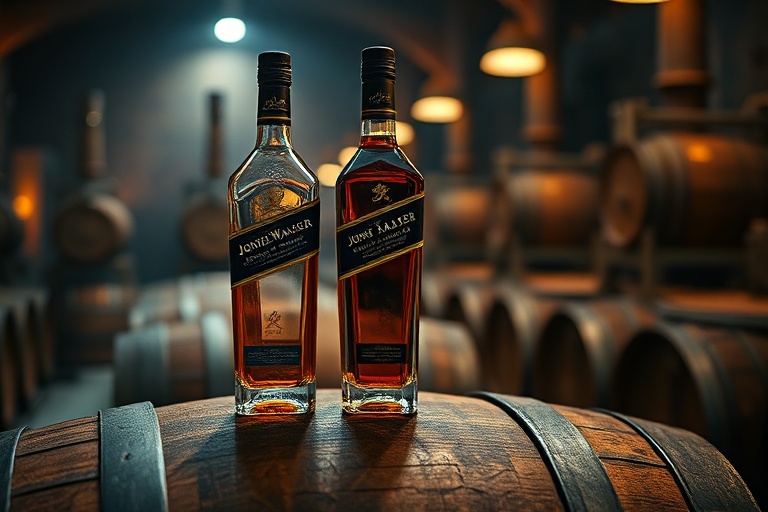
- Whiskey: Home to Johnnie Walker, the world’s best-selling Scotch whisky, along with Buchanan’s, Lagavulin, and Talisker. This segment dominates Diageo’s revenue, reflecting the global demand for aged spirits.
- Vodka: Smirnoff, the world’s top-selling vodka, holds a dominant position in both mature and emerging markets. Its accessibility and adaptability have made it a staple in bars and households alike.
- Gin: Tanqueray and Gordon’s are leading names in a category experiencing a renaissance, driven by craft cocktail culture and premiumization trends.
- Rum: Captain Morgan and Bundaberg are key players, leveraging Caribbean heritage and festive branding to appeal to younger consumers.
- Beer: Guinness, the iconic Irish stout, remains a cultural touchstone, while Harp Lager and Tusker provide regional depth in Africa and beyond.
- Liqueurs: Baileys, the world’s best-selling liqueur, blends Irish cream with cocoa and vanilla, creating a product that transcends seasonal consumption.
This diversity allows Diageo to mitigate risk by balancing premium and accessible brands, while also tapping into regional preferences. For example, in India, the company has successfully positioned McDowell’s No. 1 as a local whiskey alternative, demonstrating its ability to adapt to cultural contexts.
Innovation and Sustainability: Pillars of Modern Growth
Diageo has increasingly positioned itself as a leader in sustainability and innovation, two areas critical to its long-term viability. The company has committed to ambitious environmental goals, including reducing its carbon footprint by 50% by 2030 and achieving net-zero emissions by 2050. Initiatives such as water recycling in its distilleries and transitioning to renewable energy sources underscore its commitment to environmental stewardship.
Innovation extends beyond environmental efforts. Diageo has invested heavily in product development, particularly in the premium and super-premium segments. Limited-edition releases, such as Johnnie Walker Blue Label Ghost and Rare, cater to collectors and connoisseurs, while collaborations with mixologists and chefs have led to new cocktail experiences. The company also explores alternative ingredients, such as agave-based spirits, to align with shifting consumer preferences toward sustainability and transparency.
Cultural innovation is equally vital. Diageo’s “Guinness Clear” launch in Nigeria—a lighter, clearer version of the classic stout—showcased its willingness to experiment while respecting local tastes. Similarly, the company’s focus on digital engagement, from social media campaigns to e-commerce partnerships, reflects its understanding of modern consumption habits.
The Cultural Impact: More Than Just Alcohol
Diageo’s influence extends beyond sales figures and market share. Its brands are woven into the fabric of global culture, often serving as symbols of celebration, identity, and even rebellion. Johnnie Walker, for instance, has been associated with achievement and aspiration, famously using the tagline “Keep Walking” to evoke progress and perseverance. In Japan, the brand has become a status symbol, often gifted during milestone celebrations.
Guinness, meanwhile, has transcended its role as a beverage to become a cultural institution. The annual St. Patrick’s Day celebrations, with their global reach, are as much about the brand as they are about Irish heritage. The “Guinness Storehouse” in Dublin serves as a pilgrimage site for beer enthusiasts, blending tourism with brand loyalty.
Even in moments of crisis, Diageo has demonstrated its commitment to social responsibility. During the COVID-19 pandemic, the company pivoted its production to manufacture hand sanitizer, donating millions of bottles to hospitals and communities worldwide. This move reinforced its reputation as a corporate citizen, not just a commercial entity.
The company’s cultural impact is also evident in its sponsorships, which range from sports to music festivals. Diageo’s partnership with sports leagues such as the English Premier League and sponsorship of events like the Edinburgh Festival Fringe highlight its strategy of aligning with moments of collective joy and shared experience.
The Challenges Ahead: Navigating a Complex Landscape
Despite its dominance, Diageo faces challenges that could reshape its trajectory. Regulatory pressures, particularly in health-conscious markets like the UK and parts of Europe, threaten to impose stricter advertising and labeling rules. The rise of non-alcoholic spirits and the growing sober-curious movement present both a threat and an opportunity for innovation.
Economic volatility, from inflation to supply chain disruptions, also poses risks. Diageo’s reliance on global supply chains—particularly for ingredients like Scottish barley and Caribbean rum—makes it vulnerable to climate change and geopolitical tensions. The company has responded by diversifying its sourcing and investing in local production hubs, such as its Guinness brewery in Nigeria.
Competition is intensifying, too. Craft distilleries and independent brands are gaining traction, particularly in the premium segment, where consumers are willing to pay for authenticity and storytelling. Diageo has responded by acquiring smaller labels, such as the purchase of Don Julio tequila in 2018, to bolster its portfolio in high-growth categories.
A Legacy of Adaptation and Ambition
Diageo’s journey from a merger of two legacy companies to a global behemoth is a testament to its ability to adapt, innovate, and anticipate change. Its success lies not just in the quality of its products but in its deep understanding of culture, market dynamics, and consumer behavior. Whether through its iconic brands, its sustainability initiatives, or its cultural sponsorships, Diageo continues to shape the spirits industry in ways that resonate far beyond the bottle.
The company’s forward-looking strategies suggest that it is far from resting on its laurels. As consumer preferences evolve and new markets emerge, Diageo’s ability to balance tradition with innovation will determine its next chapter. One thing is certain: in a world where global brands often struggle to maintain relevance, Diageo remains a masterclass in staying ahead of the curve.