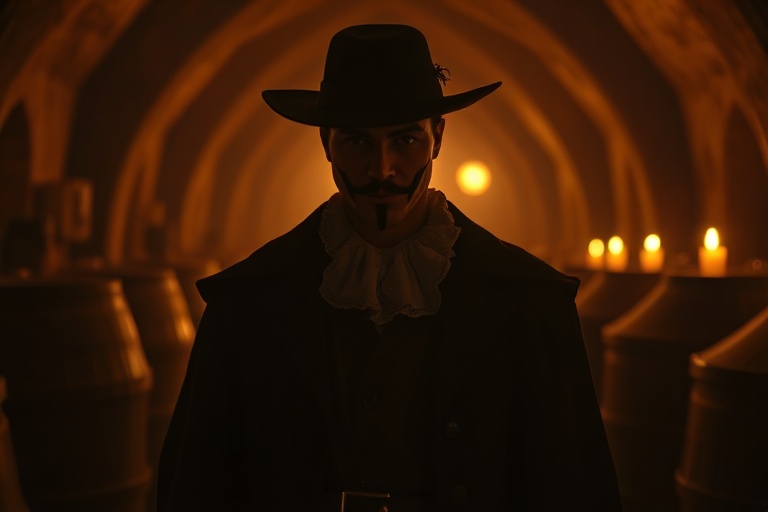
guido fawkes
Who Was Guido Fawkes and Why He Still Matters Today
The name Guido Fawkes carries weight in political circles, historical debates, and even modern digital activism. Born in 1570 in York, England, Fawkes became a central figure in one of the most infamous plots in British history—the Gunpowder Plot of 1605. His legacy, however, extends far beyond that failed attempt to overthrow the government. Today, Guido Fawkes is invoked in discussions about rebellion, anonymity, and the power of symbolic resistance.
While Fawkes himself was a real historical figure, his name became a cultural symbol through the 20th century. The mask bearing his likeness—popularized by the graphic novel V for Vendetta and later adopted by the hacktivist group Anonymous—transformed him into an icon of anti-authoritarianism. This dual identity—historical traitor and modern revolutionary—makes Guido Fawkes a fascinating study in how symbols evolve across centuries.
The Gunpowder Plot: A Failed Rebellion That Echoed Through Time
The Gunpowder Plot was a meticulously planned conspiracy by a group of English Catholics who sought to assassinate King James I and destroy the Houses of Parliament. Fawkes, chosen for his military experience, was tasked with guarding the 36 barrels of gunpowder hidden beneath the House of Lords. The plot unraveled on November 5, 1605, when Fawkes was discovered and arrested.
His capture led to a dramatic confrontation. Under torture, Fawkes revealed the names of his co-conspirators, including Robert Catesby, the plot’s mastermind. The failed rebellion resulted in Fawkes’ execution by hanging, drawing, and quartering—a brutal punishment reserved for traitors. Yet, despite its failure, the Gunpowder Plot left an indelible mark on British history. November 5 became known as Bonfire Night, a holiday marked by fireworks, bonfires, and effigies of Fawkes burned in remembrance.
Centuries later, historians continue to debate the plot’s motivations. Was it a genuine act of religious defiance, or a political maneuver by factions seeking to destabilize the monarchy? The ambiguity of Fawkes’ role—was he a zealot or a pawn?—adds to his enduring mystique. His story remains a subject of fascination in classrooms, literature, and even controversial political movements.
The Mask of Anonymity: From Comic Book to Global Symbol
The transformation of Guido Fawkes from a 17th-century conspirator to a 21st-century symbol of rebellion began in 1982 with the publication of V for Vendetta, a graphic novel by Alan Moore and David Lloyd. Set in a dystopian future, the story follows a masked vigilante who fights against a totalitarian government. The character, simply known as “V,” wears a stylized mask resembling Fawkes’ facial hair and mustache.
In the 2005 film adaptation, starring Hugo Weaving and Natalie Portman, the mask became even more iconic. The film’s climactic scene, where crowds of protesters don the mask in defiance of oppression, resonated with global audiences. By the late 2000s, the mask had been adopted by Anonymous, the decentralized hacktivist collective known for its cyber-attacks on governments, corporations, and institutions.
The mask’s appeal lies in its simplicity and universality. It conceals identity while conveying defiance, making it a powerful tool for protest. Whether worn during the Arab Spring, Occupy Wall Street, or anti-government demonstrations in Hong Kong, the Guido Fawkes mask has become synonymous with resistance against authority. Critics argue that its use trivializes the seriousness of historical events, while supporters view it as a legitimate form of dissent in an era of surveillance and censorship.
Guido Fawkes in the Digital Age: A Figure of Controversy
In today’s interconnected world, Guido Fawkes occupies a unique space at the intersection of history, politics, and digital culture. Websites like News and Analysis often reference his legacy when discussing modern activism. The rise of social media has amplified his symbolic power, turning him into a meme, a hashtag (#GuidoFawkes), and even a brand for merchandise sold by protest groups.
However, his image is not without controversy. Some historians argue that the glorification of Fawkes risks distorting historical memory, reducing a complex figure to a cartoonish symbol of rebellion. Others point out that the mask’s association with Anonymous has led to its use in both noble and questionable causes—from exposing corruption to launching cyber-attacks that disrupt essential services.
Here’s a closer look at the dual nature of Guido Fawkes’ modern legacy:
- Symbol of Free Speech: The mask represents the right to challenge authority and expose injustice, aligning with movements like WikiLeaks and Edward Snowden’s revelations.
- Tool of Disruption: Anonymous has used the mask to target governments, corporations, and individuals, sometimes with unclear motives or unintended consequences.
- Commercialization: The mask is now sold as merchandise, raising questions about whether its rebellious spirit has been co-opted by consumer culture.
- Historical Appropriation: Critics argue that using Fawkes’ image in modern protests oversimplifies his role in history, turning a failed conspirator into a revolutionary hero.
The debate over Guido Fawkes’ modern relevance reflects broader tensions in digital activism: How do we balance the need for dissent with the responsibility to respect historical context? Is the mask a unifying symbol of resistance, or does it risk trivializing the sacrifices of those who fought for real change?
A Legacy That Refuses to Fade
Guido Fawkes’ story is a reminder that history is not static. It is reinterpreted, repurposed, and reimagined by each generation. From his execution in 1606 to his adoption by Anonymous in the 2010s, Fawkes has remained a figure of fascination, debate, and sometimes defiance.
Whether viewed as a traitor, a revolutionary, or a digital icon, his legacy endures. The mask that bears his likeness continues to appear at protests worldwide, a silent but potent reminder of the power of symbols. In an age where information is both weaponized and democratized, Guido Fawkes’ story forces us to ask: What does rebellion look like in the 21st century, and who gets to decide its meaning?
The answers, much like Fawkes himself, are complicated and evolving. What remains clear is that Guido Fawkes—whether as a historical figure or a modern avatar—will not be forgotten anytime soon.