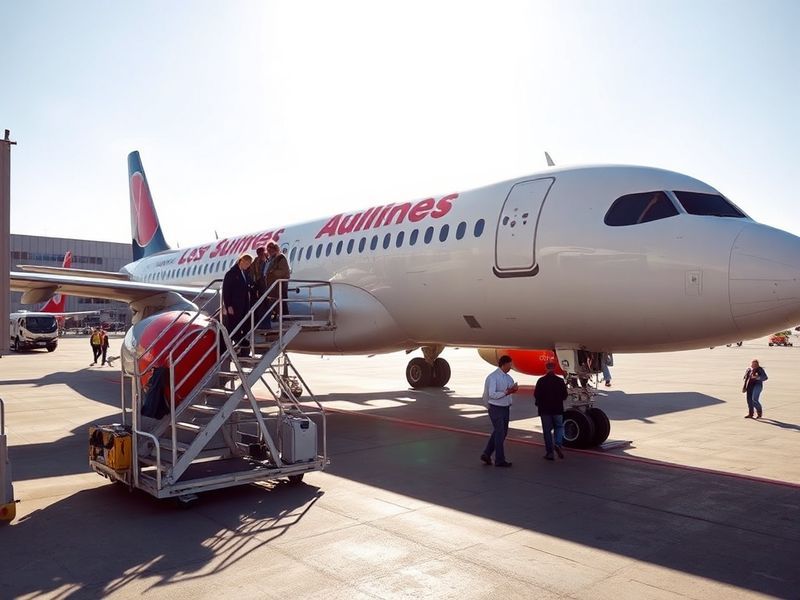
low-cost carrier
“`html
Low-Cost Carrier Airlines: How They Keep Fares Down
The airline industry has seen a dramatic shift over the past few decades with the rise of low-cost carriers (LCCs). These airlines have redefined travel by offering significantly cheaper fares compared to traditional carriers, making air travel accessible to millions who might otherwise avoid it. But how do these carriers manage to keep their prices so low while still maintaining profitability?
This analysis explores the business models of low-cost carriers, their impact on the travel industry, and what travelers should consider when booking with them. From fuel efficiency to ancillary revenue streams, LCCs employ a variety of strategies to undercut competitors while expanding their reach.
The Business Model Behind Low-Cost Carriers
Low-cost carriers operate on a fundamentally different business model than legacy airlines. The core principle is simple: strip away non-essential services to reduce operating costs. This allows them to offer base fares that are often a fraction of what traditional airlines charge. However, the savings don’t come without trade-offs.
One of the most common strategies is the use of a single aircraft type. Airlines like Southwest and Ryanair primarily fly Boeing 737s, which simplifies maintenance, training, and crew scheduling. This standardization reduces costs across the board, from spare parts to pilot certifications. Another key tactic is point-to-point routing instead of the traditional hub-and-spoke model. By avoiding congested hubs, these carriers can reduce delays, lower airport fees, and improve turnaround times.
Ancillary revenue plays a huge role in keeping fares low. While the base ticket price might be cheap, passengers often pay extra for seat selection, checked baggage, priority boarding, and even in-flight snacks. These fees can add up quickly, sometimes accounting for more than 50% of an LCC’s total revenue. For budget-conscious travelers, this means carefully evaluating what’s included in the ticket price before booking.
Key Cost-Saving Measures in Low-Cost Carrier Operations
- No-frills service: Meals, seat assignments, and even overhead bin space may come at an additional cost.
- High aircraft utilization: Planes spend more time in the air and less time on the ground, maximizing revenue per aircraft.
- Secondary airports: Many LCCs fly into smaller, less expensive airports that charge lower landing fees.
- Direct booking focus: Encouraging customers to book through their websites rather than third-party platforms, avoiding hefty commissions.
The Impact of Low-Cost Carriers on the Travel Industry
The rise of low-cost carriers has had a profound effect on the travel industry, democratizing air travel in ways previously unimaginable. Before the 1990s, flying was often seen as a luxury reserved for business travelers or the wealthy. Today, budget airlines have made it possible for families, students, and budget backpackers to traverse continents without breaking the bank.
This shift has forced traditional airlines to adapt. Many legacy carriers have launched their own budget subsidiaries, such as Delta’s Delta Connection or United’s United Express, to compete in the low-cost market. Others have introduced basic economy fares, stripping down services to match the offerings of LCCs. The competition has ultimately led to lower prices across the board, benefiting consumers.
However, the growth of low-cost carriers hasn’t been without controversy. Critics argue that the emphasis on cost-cutting can compromise passenger comfort and safety. Cramped seating, minimal legroom, and strict baggage policies have led to complaints about comfort and convenience. Additionally, the reliance on ancillary fees has been criticized for being misleading, with some passengers feeling nickel-and-dimed after booking.
Despite these drawbacks, the overall impact on the travel industry has been overwhelmingly positive. More people are flying than ever before, and regional economies have benefited from increased tourism and business travel. Airports in secondary cities have seen renewed interest, and smaller towns that were once bypassed by major airlines are now connected to global hubs.
What Travelers Should Know Before Booking with a Low-Cost Carrier
While low-cost carriers can save travelers hundreds of dollars, they’re not the best option for every trip. Understanding the nuances of their business model is crucial to avoiding unexpected costs and inconveniences. Here’s what to consider before booking your next flight.
Pros of Flying with a Low-Cost Carrier
- Lower base fares: The most obvious advantage is the cheaper ticket price, which can make air travel affordable for more people.
- Direct routes: Many LCCs offer non-stop flights between smaller cities, eliminating the need for layovers.
- Streamlined booking process: With fewer frills, the booking process is often quicker and more straightforward.
Cons and Potential Pitfalls
- Hidden fees: While the base fare is low, additional costs for baggage, seat selection, and even printing a boarding pass at the airport can add up.
- Strict baggage policies: Many LCCs charge hefty fees for checked luggage, and their weight limits are often stricter than traditional airlines.
- Limited amenities: Don’t expect complimentary meals, drinks, or in-flight entertainment on most LCCs.
- Inconvenient airports: Flying into a secondary airport might save money, but it could add significant travel time and cost to reach your final destination.
For travelers who prioritize convenience and comfort, traditional airlines might still be the better choice. However, for those willing to navigate the trade-offs, low-cost carriers offer an unparalleled opportunity to explore the world on a budget. It’s all about weighing the savings against the potential inconveniences.
The Future of Low-Cost Carriers
The low-cost carrier model shows no signs of slowing down. As fuel prices fluctuate and demand for affordable travel continues to grow, LCCs are expanding their reach into new markets. One notable trend is the increasing competition in long-haul international flights. Airlines like Norwegian Air and AirAsia X have begun offering budget transcontinental routes, challenging legacy carriers on popular international corridors.
Technology is also playing a bigger role in the evolution of LCCs. Many are investing in digital platforms to streamline booking, check-in, and customer service. Mobile apps now allow passengers to manage their entire travel experience from their smartphones, reducing the need for customer service representatives and lowering operational costs.
However, the future isn’t without challenges. Rising labor costs, regulatory hurdles, and environmental concerns could pressure LCCs to adapt their models. Additionally, as more travelers become accustomed to the convenience of full-service airlines, some may be willing to pay a premium for added comfort and flexibility.
Ultimately, the success of low-cost carriers will depend on their ability to balance cost-cutting with customer satisfaction. Those that can innovate while maintaining their core value proposition will continue to thrive, shaping the future of air travel for years to come.
Final Thoughts: Is a Low-Cost Carrier Right for You?
Low-cost carriers have revolutionized the way we travel, making airfare more accessible than ever before. While they offer undeniable savings, they also come with trade-offs that travelers must carefully consider. For short trips with minimal luggage, a budget airline can be a fantastic option. For longer journeys or those requiring additional services, traditional airlines might still be the better choice.
As the airline industry continues to evolve, low-cost carriers will likely play an even bigger role in shaping the future of travel. By understanding their business models and being aware of the potential pitfalls, travelers can make informed decisions that align with their needs and budgets.
For more insights into budget travel and airline industry trends, check out our Travel category page or explore our News section for the latest updates on the aviation world.
—
METADATA
{
“title”: “How Low-Cost Carriers Keep Airline Fares Affordable”,
“metaDescription”: “Discover how budget airlines slash costs with smart strategies while still turning a profit in the competitive aviation market.”,
“categories”: [“Travel”, “News”],
“tags”: [“budget airlines”, “low-cost carriers”, “airline industry”, “travel tips”, “affordable flights”],
“imageDescription”: “A collage showing a crowded Ryanair aircraft on the tarmac at a secondary airport, with passengers boarding through airstairs. The scene highlights the no-frills service of low-cost carriers, with clear blue skies and a focus on efficiency and affordability.”
}
—END METADATA—
“`