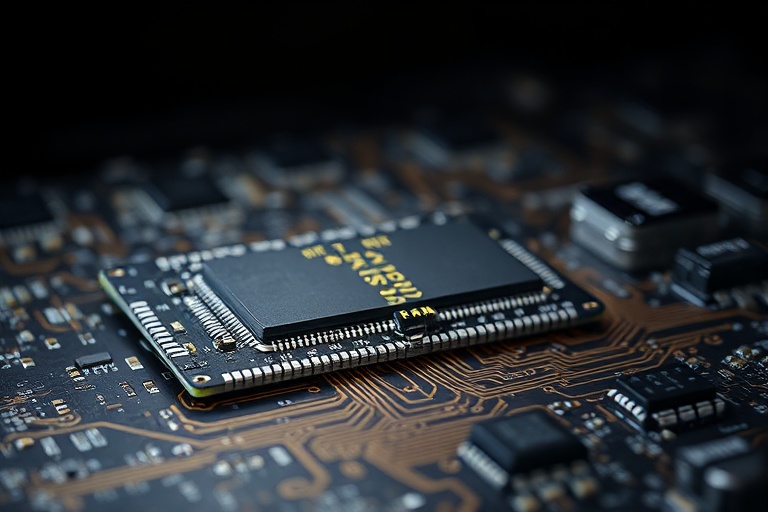
DRAM Stock: Key Trends and Investment Insights for 2024
Memory chip stocks have become a focal point for tech investors in 2024, with DRAM manufacturers leading the charge in both volatility and opportunity. As artificial intelligence applications continue to expand, the demand for high-performance memory solutions has surged, creating ripple effects across the semiconductor industry. Understanding the dynamics of DRAM stock requires examining supply chain pressures, technological advancements, and geopolitical factors that shape this specialized market.
The DRAM (Dynamic Random Access Memory) sector remains highly concentrated among a few key players, each navigating unique challenges while capitalizing on emerging trends. Investors tracking these stocks must balance short-term market fluctuations with long-term industry fundamentals. Recent quarterly earnings reports reveal divergent strategies among manufacturers, from aggressive expansion to cautious consolidation.
The Current Market Landscape for DRAM Stocks
The DRAM market in 2024 presents a complex picture of supply and demand imbalances. After several years of oversupply that depressed prices, manufacturers have adjusted production cycles in response to shifting end-market needs. Smartphone demand, while stable, has been overshadowed by the explosive growth in data center applications, particularly those supporting AI workloads.
Three companies dominate the global DRAM market: Samsung Electronics, SK hynix, and Micron Technology. Together, they control approximately 95% of the market share, creating an oligopolistic structure that limits competition but also stabilizes pricing to some degree. Each company has taken different approaches to capital expenditure in 2024:
- Samsung Electronics has maintained its lead through aggressive investment in next-generation memory technologies while carefully managing inventory levels.
- SK hynix has focused on high-bandwidth memory (HBM) products, which have become critical for AI applications, positioning itself as the primary supplier for Nvidia’s latest GPU offerings.
- Micron Technology has pursued a balanced strategy, expanding its HBM capacity while also targeting automotive and industrial markets for long-term growth.
Recent price movements reflect these strategic differences. While Samsung’s stock has shown relative stability, Micron has experienced higher volatility due to its exposure to both consumer and enterprise markets. The HBM segment, though representing a smaller portion of total DRAM revenue, has become the primary driver of profitability and investor interest.
Key Factors Driving DRAM Stock Performance
Several interconnected factors influence DRAM stock performance, with technological innovation and geopolitical tensions playing increasingly significant roles. The shift toward HBM represents the most transformative trend in the sector, as traditional DRAM architectures struggle to meet the performance demands of AI workloads.
Memory bandwidth requirements for AI training and inference have increased exponentially, pushing manufacturers toward advanced packaging technologies. Companies investing heavily in HBM production are seeing immediate benefits in both revenue growth and stock valuation. This has led to a bifurcation in the market, where traditional DRAM manufacturers must decide whether to compete in commodity markets or pivot toward specialized products.
Geopolitical considerations add another layer of complexity. The ongoing tensions between the United States and China have forced semiconductor companies to reconsider their manufacturing footprints. SK hynix’s decision to expand HBM production in the U.S. reflects broader industry trends toward supply chain diversification. Meanwhile, Samsung maintains significant manufacturing presence in both South Korea and the U.S., while Micron has strategically increased its domestic production capabilities.
Another critical factor is the cyclical nature of the DRAM market. Historically, the industry has experienced boom-and-bust cycles lasting approximately three to four years. The current cycle appears to be entering a consolidation phase after the unprecedented demand surge driven by AI adoption. Investors should monitor inventory levels and pricing trends closely, as these indicators often precede market shifts.
Investment Strategies for DRAM Stocks
Given the specialized nature of the DRAM market, investors should approach these stocks with a nuanced strategy that accounts for both technical and fundamental factors. The most successful approaches typically involve a combination of top-down industry analysis and bottom-up company evaluation.
For those considering direct investment in DRAM stocks, several key metrics warrant close examination:
- Revenue Mix by Product Category – The proportion of revenue coming from HBM versus traditional DRAM can indicate a company’s positioning in emerging markets.
- Gross Margin Trends – HBM products command significantly higher margins, which can dramatically impact profitability.
- Capital Expenditure Plans – Companies investing aggressively in new technologies may see short-term pressure on earnings but long-term competitive advantages.
- Inventory Turnover Rates – Efficient inventory management reduces the risk of price declines during market downturns.
For investors seeking exposure without direct stock ownership, exchange-traded funds (ETFs) focused on semiconductor manufacturers provide diversified access to the sector. The Technology ETFs available on Dave’s Locker offer curated selections of semiconductor stocks, including DRAM manufacturers. These funds can help mitigate the risks associated with individual company volatility while capturing the overall growth potential of the memory chip industry.
Another approach involves monitoring related industries that indirectly benefit from DRAM demand. Companies in the server, networking, and AI hardware sectors often see correlated stock movements when DRAM demand shifts. This broader perspective can help investors identify opportunities before they become apparent in the memory chip stocks themselves.
The Future of DRAM Stocks: Challenges and Opportunities
The next phase of the DRAM market will be defined by technological innovation and strategic realignment. As AI applications continue to evolve, the demand for specialized memory solutions will grow, creating both challenges and opportunities for existing manufacturers.
One of the most significant challenges facing the industry is the increasing complexity and cost of next-generation memory technologies. The transition from planar DRAM to 3D-stacked memory requires substantial R&D investment, which may limit the number of companies capable of competing in the high-end market. This could lead to further consolidation, with smaller players either exiting the market or being acquired by larger competitors.
At the same time, new entrants are emerging in the memory chip space. Chinese manufacturers, backed by significant government investment, are making progress in developing competitive DRAM technologies. While these companies currently lag behind the established players in terms of performance and yield, their long-term potential cannot be ignored. The geopolitical implications of this competition add another dimension to the investment calculus.
The integration of memory and logic chips represents another frontier for innovation. Companies exploring chiplet architectures and heterogeneous integration are developing solutions that could disrupt traditional DRAM business models. While these technologies remain in early development stages, their potential to reduce costs and improve performance could reshape the competitive landscape.
For investors, the key to navigating this evolving market lies in maintaining flexibility and staying informed about technological developments. The DRAM stocks that thrive in the coming years will likely be those that successfully balance immediate financial performance with long-term strategic positioning.
As the industry moves toward more specialized memory solutions, the traditional DRAM market may face pressure from alternative technologies. Storage-class memory (SCM) and persistent memory solutions are gaining traction in data center applications, potentially reducing the overall demand for traditional DRAM in certain use cases. Companies that can diversify their product portfolios while maintaining leadership in core memory technologies will be best positioned for future success.
Conclusion
The DRAM stock market in 2024 presents a compelling but complex investment landscape. While the sector remains dominated by a handful of established players, the rapid evolution of AI and data center technologies is creating new opportunities and challenges. Investors must carefully consider the technological positioning, financial health, and strategic vision of each company before making investment decisions.
The shift toward high-bandwidth memory and the ongoing geopolitical tensions add layers of complexity that require thorough analysis. Those who can navigate these challenges while identifying companies with sustainable competitive advantages stand to benefit from the continued growth of the memory chip industry. As with any specialized sector, diversification and careful risk management remain essential strategies for long-term success.
For those looking to deepen their understanding of the technology behind these stocks, Dave’s Locker offers comprehensive resources on semiconductor innovations and their broader market implications. Staying informed about both technological developments and market trends will be crucial for investors seeking to capitalize on the evolving DRAM landscape.