Understanding the Federal Gas Tax: How It Works and Why It Matters
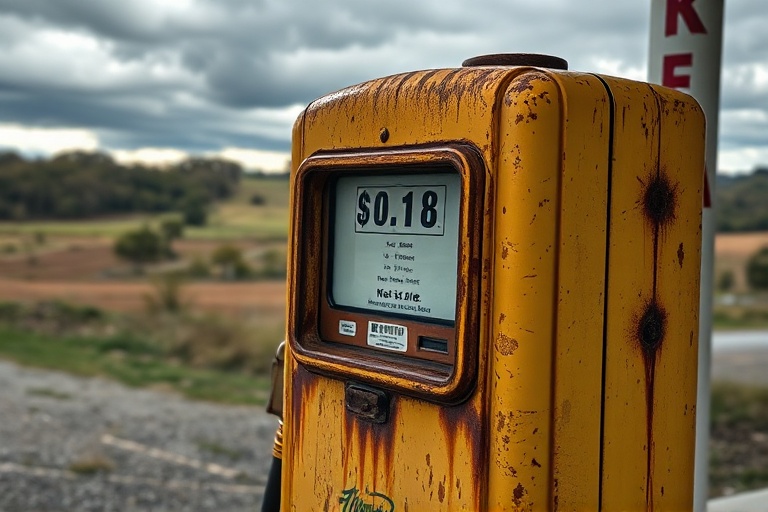
The federal gas tax is a cornerstone of U.S. transportation funding, yet it often flies under the radar for most drivers. Enacted in 1956, this 18.4-cent-per-gallon tax on gasoline (24.4 cents for diesel) directly funds the Highway Trust Fund, which maintains and expands the nation’s roads and bridges. Unlike state-level taxes that vary widely, the federal tax remains uniform across all 50 states, ensuring a consistent revenue stream for national infrastructure projects.
While its purpose seems straightforward, the federal gas tax has become a subject of debate in recent years. Critics argue that the tax hasn’t kept pace with inflation or modern transportation needs, while advocates emphasize its critical role in keeping American infrastructure functional. To grasp its broader implications, it’s essential to examine how the tax functions, its historical context, and the challenges it faces in an evolving transportation landscape.
The Mechanics of the Federal Gas Tax
The federal gas tax operates as a flat-rate excise tax, meaning every gallon of gasoline sold in the U.S. contributes the same fixed amount to the Highway Trust Fund. This revenue is then allocated to two main programs:
- Highway Account: Funds road construction, maintenance, and improvements.
- Mass Transit Account: Supports public transportation projects, though this account receives a smaller portion of the total revenue.
Since its inception, the tax has undergone minimal adjustments. The last increase occurred in 1993, when it rose from 14 cents to 18.4 cents per gallon. Adjusting for inflation, that 1993 tax would equate to roughly 34 cents today—far above the current rate. This stagnation has led to a funding gap, as the Highway Trust Fund now faces insolvency without additional infusions from the general treasury.
One notable feature of the federal gas tax is its regressive nature. Lower-income drivers, who spend a larger share of their income on fuel, bear a disproportionate burden compared to wealthier motorists. This has sparked discussions about whether the tax should be reformed to address equity concerns while still meeting infrastructure needs.
A Brief History and Its Modern Challenges
The federal gas tax was established to address a critical mid-20th-century problem: the rapid expansion of automobile ownership and the need for a reliable funding source for road construction. At the time, the Highway Trust Fund provided the financial backbone for the Interstate Highway System, a project that transformed American transportation. For decades, the tax worked as intended, generating sufficient revenue to maintain and expand the nation’s infrastructure.
However, the tax’s design has struggled to adapt to modern realities. Several factors have contributed to its diminishing effectiveness:
- Inflation Erosion: The tax’s fixed rate means its purchasing power declines over time, reducing its ability to fund large-scale projects.
- Fuel Efficiency Improvements: Modern vehicles consume less fuel, meaning drivers pay less in gas taxes even as they continue to use the roads.
- Alternative Fuels: Electric and hybrid vehicles, which don’t contribute to the gas tax, are becoming more prevalent, further straining the Highway Trust Fund.
- Political Gridlock: Efforts to raise the gas tax or implement alternative funding mechanisms, such as a vehicle miles traveled (VMT) tax, have faced significant resistance in Congress.
These challenges have forced policymakers to explore creative solutions. Some states have experimented with VMT taxes, which charge drivers based on the number of miles they travel rather than the amount of fuel they consume. While promising, such systems raise privacy concerns and require robust infrastructure to implement effectively.
The Broader Implications for Drivers and the Economy
The federal gas tax doesn’t just affect drivers—it has ripple effects throughout the economy. Infrastructure projects funded by the Highway Trust Fund create jobs, stimulate local economies, and improve supply chain efficiency. A well-maintained road network reduces transportation costs for businesses, which can translate into lower prices for consumers. Conversely, a crumbling infrastructure system hampers economic growth, increases vehicle maintenance costs for drivers, and poses safety risks.
For individual motorists, the federal gas tax is a tangible but often overlooked expense. While some may grumble about paying taxes at the pump, the reality is that these funds directly benefit drivers by ensuring smoother, safer roads. However, the current system’s inability to keep pace with modern demands underscores the need for reform. Without adjustments, the Highway Trust Fund will continue to rely on stopgap measures, such as transfers from the general treasury, to avoid insolvency.
Another consideration is the environmental impact of the gas tax. Since the tax is tied to fuel consumption, it indirectly discourages excessive driving by making gas more expensive. However, this incentive may become less effective as electric vehicles become more widespread. Some advocates argue that the gas tax should be restructured to better align with environmental goals, such as incentivizing fuel-efficient vehicles or taxing carbon emissions directly.
Looking Ahead: Potential Reforms and the Path Forward
The future of the federal gas tax remains uncertain, but several potential reforms could address its shortcomings. One approach is to index the tax to inflation, ensuring its purchasing power keeps pace with rising costs. Another option is to transition to a VMT tax, which would more accurately reflect road usage and accommodate the rise of electric vehicles. However, both solutions face significant political and logistical hurdles.
For now, the federal gas tax remains a vital but imperfect tool for funding America’s transportation infrastructure. Its simplicity and reliability have made it a staple of U.S. fiscal policy, but its inability to adapt to modern challenges threatens its long-term viability. Policymakers, drivers, and industry stakeholders must engage in a thoughtful dialogue about how to modernize this funding mechanism to ensure the nation’s roads remain safe, efficient, and sustainable for generations to come.
For those interested in exploring related topics, check out Trending or dive deeper into automotive and financial issues on Automotive.
Conclusion
The federal gas tax is more than just a line item on a receipt—it’s a lifeline for the nation’s infrastructure. While its current structure faces challenges, its role in funding roads and bridges ensures that it will remain a key topic of discussion in Washington and beyond. As the debate over its future continues, one thing is clear: the status quo is unsustainable, and meaningful reform is long overdue.