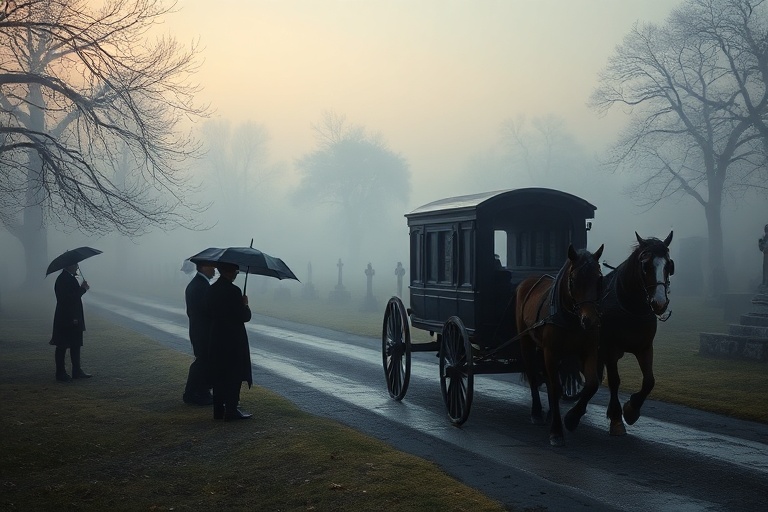
Funerals Explained: Traditions, Trends, and Cultural Impact
Funerals represent one of humanity’s most universal rituals, transcending cultures, religions, and eras. They serve as a bridge between loss and remembrance, providing structure to grief while honoring the lives of those who have passed. While the specifics of funeral practices vary widely, their core purpose remains consistent: to acknowledge death as a natural part of life and to support communities in processing collective sorrow.
In recent decades, funeral customs have evolved alongside societal changes. Traditional burials now share space with cremation, green burials, and even digital memorials. These shifts reflect broader transformations in how society views death, spirituality, and legacy. This article explores the enduring significance of funerals, their cultural variations, and the ways modern practices are reshaping the experience of saying goodbye.
The Role of Funerals in Human Culture
Funerals are far more than ceremonial formalities; they are psychological and social tools that help individuals and communities navigate loss. Anthropologists note that funerary rites appear in every known human culture, suggesting an intrinsic need to mark the passage from life to death. These rituals often include elements designed to comfort the living, such as storytelling, communal gatherings, and symbolic gestures like lighting candles or planting trees.
Culturally, funerals reinforce shared values and beliefs. In Western traditions, eulogies and religious services emphasize themes of hope, redemption, and the afterlife. Meanwhile, in some Indigenous cultures, funerals are cyclical events, emphasizing the connection between the deceased and future generations. The diversity of these practices underscores how funerals serve as both a personal and communal experience.
Common Elements Across Funerals
While details differ, many funerals incorporate similar components to guide mourners through grief:
- Visitation or Wake: A period where family and friends gather to view the deceased, often accompanied by shared memories or prayers.
- Funeral Service: A structured ceremony, whether religious, secular, or cultural, that commemorates the life of the individual.
- Burial or Cremation: The final disposition of remains, often following specific traditions or personal wishes.
- Reception or Gathering: A post-service event where attendees share food, stories, and support.
These elements provide a framework for mourning, allowing participants to move through grief in a structured way. Without such rituals, the process of grieving can feel fragmented or isolating.
Modern Shifts in Funeral Practices
Today’s funeral industry is experiencing a period of rapid change, driven by environmental concerns, technological advancements, and shifting attitudes toward death. One of the most notable trends is the rise of cremation. In the U.S., cremation rates have surpassed burials, accounting for over 60% of funerals as of 2023. This shift is attributed to factors like cost, flexibility, and a decline in religious affiliation.
Another emerging trend is the “green funeral,” which prioritizes sustainability. Options include biodegradable caskets, natural burial grounds, and even human composting. These practices appeal to eco-conscious individuals who wish to minimize their environmental impact even after death. Similarly, digital memorials are gaining traction, allowing loved ones to create online spaces for remembrance, complete with photos, videos, and shared messages.
The Impact of Technology on Funerals
Technology has transformed nearly every aspect of funeral planning and remembrance. Livestreaming services enable distant family members to participate, while AI tools can generate lifelike avatars of the deceased for virtual gatherings. Some companies even offer “digital afterlife” services, allowing users to pre-record messages for loved ones to access posthumously.
These innovations reflect a broader cultural shift toward personalization. Modern funerals are increasingly tailored to the individual’s personality, interests, and values. Whether it’s a themed celebration of life or a simple, intimate gathering, the focus is on creating a meaningful experience rather than adhering to rigid traditions.
Challenges and Controversies in Modern Funerals
Despite these advancements, the funeral industry faces criticism and ethical dilemmas. One major concern is the commercialization of death. Funeral homes often market expensive caskets, elaborate services, and unnecessary add-ons, which can burden grieving families with financial strain. This has led to calls for greater transparency and regulation within the industry.
Another controversy surrounds the ethical implications of new funeral technologies. For example, AI-generated avatars raise questions about consent and authenticity. Should a deceased person’s likeness be recreated without their explicit permission? Similarly, green burials face logistical challenges, such as land availability and regulatory hurdles, which can limit their accessibility.
Balancing Tradition and Innovation
The tension between tradition and innovation is perhaps the most significant challenge facing modern funerals. While some mourners seek comfort in familiar rituals, others crave unconventional approaches that reflect their personal beliefs or lifestyle. This dichotomy highlights the need for flexibility in funeral planning, allowing families to craft services that feel authentic to them.
For those navigating this balance, resources like Trending and Culture on Dave’s Locker offer insights into evolving funeral trends and cultural perspectives. These platforms provide a space for discussing the complexities of death and remembrance in contemporary society.
The Future of Funerals: What’s Next?
As society continues to evolve, so too will funeral practices. Predictions suggest that the industry will see further growth in personalized and eco-friendly options, as well as increased use of technology to enhance remembrance. Additionally, conversations around death positivity—encouraging open discussions about mortality—may lead to more transparent and accessible funeral planning.
One thing is certain: funerals will remain a vital part of human existence. They are not merely events but profound expressions of love, loss, and legacy. Whether through a quiet woodland burial or a vibrant celebration of life, these rituals remind us that death is not an end but a transition—one that deserves both reverence and reflection.
A Final Thought
In a time when so much of life is documented and shared online, funerals offer a rare opportunity to pause and honor what cannot be digitized: the emotional depth of human connection. They challenge us to confront our mortality while celebrating the lives that have touched ours. As long as there are people to grieve and memories to cherish, funerals will endure as a testament to the enduring power of remembrance.