P&O Cruises: A Legacy of Luxury and Maritime History
P&O Cruises: A Historic Voyage Through Time and Culture
P&O Cruises stands as one of the most storied names in maritime history, tracing its origins back to the early 19th century. Founded in 1822 as the Peninsular Steam Navigation Company, it began as a mail and passenger service between England and the Iberian Peninsula. Over nearly two centuries, the company has evolved from a vital link in the British Empire’s global network to a modern luxury cruise line, shaping global travel trends along the way.
The Golden Age of Ocean Liners and P&O’s Rise
By the late 19th and early 20th centuries, P&O had cemented its reputation as a pioneer in transoceanic travel. Ships like the RMS Macedonia and later the RMS Mooltan became symbols of elegance and efficiency, carrying passengers between Europe, India, Australia, and beyond. These vessels were not merely transport—they were floating palaces where wealthy travelers dined in grand dining rooms, enjoyed lavish entertainment, and crossed vast oceans in unprecedented comfort.
P&O’s influence extended far beyond passenger transport. The company played a crucial role in cultural exchange, facilitating migration, trade, and the movement of ideas across continents. During the British Raj, P&O ships were a lifeline between India and the United Kingdom, carrying officials, families, and goods that shaped colonial and post-colonial societies. The luxury of these voyages influenced global hospitality standards, inspiring later cruise lines to emulate P&O’s blend of service, cuisine, and design.
Modern Luxury: P&O in the 21st Century
Today, P&O Cruises operates as part of Carnival Corporation & plc, catering primarily to British and European travelers seeking immersive vacation experiences. The fleet includes six ships, each offering distinct itineraries across the Mediterranean, Northern Europe, and the Canary Islands. Unlike the transatlantic liners of the past, modern P&O vessels emphasize leisure, entertainment, and destination immersion—yet they retain a touch of that historic British charm.
One of the line’s standout features is its commitment to destination-focused voyages. Passengers can explore the fjords of Norway, the historic ports of Italy, or the volcanic landscapes of Iceland, all while enjoying onboard amenities that range from West End-style theater productions to Michelin-inspired dining. The Iona, launched in 2020, represents the brand’s future: a 5,200-passenger ship designed for sustainability and innovation, featuring hybrid engines and energy-efficient technologies.
P&O also distinguishes itself through cultural programming. Themed cruises, such as music festivals at sea or literary-themed voyages, attract niche audiences. These events reflect a broader trend in cruising: the shift from mere transportation to curated experiences that blend travel with personal enrichment. In this sense, P&O continues its legacy—not just as a cruise line, but as a cultural curator.
Cultural Impact: How P&O Shaped Global Travel
The influence of P&O Cruises extends into the fabric of global travel culture. The company’s early advertising campaigns, often illustrated with romanticized images of ocean liners cutting through waves, helped popularize the idea of sea travel as an aspirational experience. These campaigns didn’t just sell tickets; they sold dreams—of adventure, escape, and status.
P&O also played a role in shaping British identity abroad. For generations of British travelers, a P&O cruise was a rite of passage, whether it was a first trip to the Mediterranean or a retirement voyage to the Caribbean. The company’s ships became microcosms of British society, with tea dances, bingo nights, and formal dinners that mirrored life back home. This cultural continuity has made P&O a nostalgic touchstone for many, especially among older generations who associate the brand with childhood memories.
In recent years, P&O has also responded to changing traveler expectations. The rise of experiential tourism has led to partnerships with local artisans, chefs, and guides in port cities. Whether it’s a cooking class in Provence or a guided tour of Lisbon’s historic neighborhoods, P&O now positions itself as a facilitator of authentic cultural encounters. This evolution reflects a broader shift in the cruise industry, where authenticity and local connection are increasingly valued over generic entertainment.
A Glimpse into the Future: Sustainability and Innovation
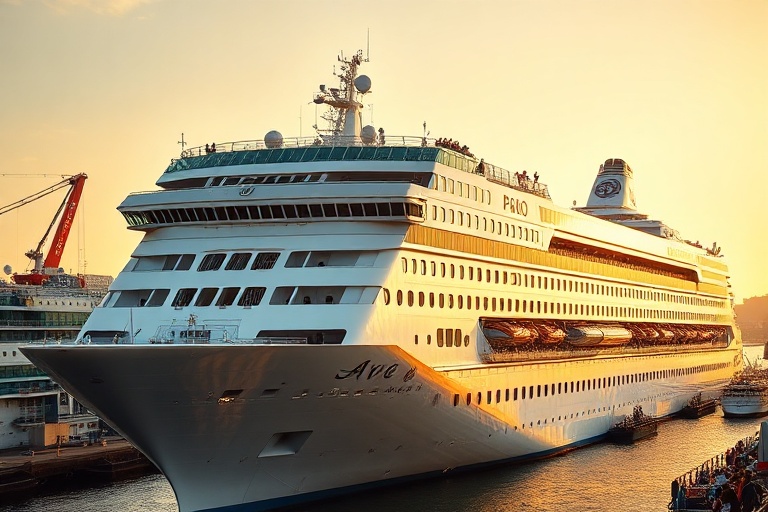
As the cruise industry faces scrutiny over environmental impact, P&O Cruises has taken steps to modernize its fleet and operations. The Iona and its sister ship Arvia (launched in 2022) are among the most energy-efficient in the industry, equipped with battery hybrid systems that reduce emissions. P&O has also committed to eliminating single-use plastics and improving waste management across its ships.
Looking ahead, the company is exploring alternative fuels and sustainable itineraries. For example, some Mediterranean cruises now emphasize eco-friendly ports and partnerships with marine conservation organizations. These initiatives align with growing consumer demand for responsible tourism, particularly among younger travelers who prioritize sustainability.
Yet, P&O’s challenge lies in balancing innovation with tradition. While modern travelers seek cutting-edge technology and eco-friendly practices, many still crave the timeless allure of a P&O cruise. The company’s ability to merge heritage with progress will determine its relevance in an increasingly competitive market.
Why P&O Cruises Still Matters
In an era where instant travel via airplanes dominates global mobility, P&O Cruises offers something unique: the gift of time. A cruise is not just a journey from point A to point B; it’s an experience of slow travel, where the voyage itself becomes part of the adventure. This philosophy resonates in a fast-paced world, where the act of slowing down is itself a luxury.
For historians, P&O represents a living archive of maritime and social history. For travelers, it offers a chance to step into a legacy of elegance and exploration. And for the cruise industry, it serves as a reminder that tradition and innovation are not mutually exclusive.
As P&O celebrates its 200th anniversary in 2022, the company stands at a crossroads. It must honor its past while embracing the future, cater to diverse audiences, and navigate the complexities of a changing world. One thing is certain: P&O’s story is far from over. Like the ocean itself, the company continues to evolve, carrying with it the dreams and aspirations of millions.
—
Explore More Travel Adventures
If you’re inspired by the idea of ocean voyages, consider exploring these related travel experiences:
- Discover more cruise lines and travel destinations on Dave’s Locker.
- Dive into cultural travel stories that highlight history and tradition.