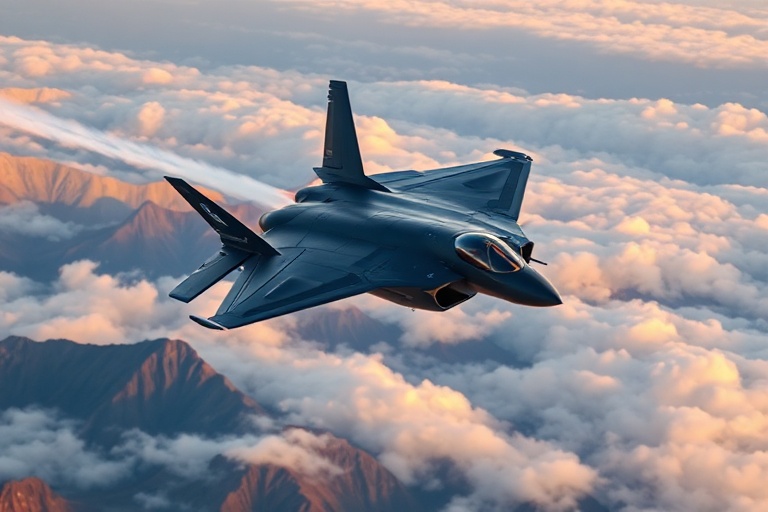
KAI KF-21 Boramae: South Korea’s 5th-Gen Fighter Takes Flight
The KAI KF-21 Boramae represents more than just a new aircraft for South Korea. It signals a strategic pivot in the nation’s defense posture and a significant leap in indigenous aerospace capabilities. Developed by Korea Aerospace Industries (KAI) in collaboration with Lockheed Martin, the Boramae is designed to bridge the gap between fourth-generation fighters and fifth-generation stealth platforms like the F-35 Lightning II.
With its first flight taking place in July 2022 and an expected full operational capability by 2026, the KF-21 is not merely an evolution—it’s a statement. The aircraft combines advanced stealth features, supercruise capability, and a modular design that allows for future upgrades. For a country surrounded by geopolitical tensions, particularly with North Korea and in the broader context of regional power dynamics, the Boramae is a critical asset.
The Origins and Design Philosophy of the KF-21 Boramae
South Korea’s journey toward developing its own advanced fighter jet began in the early 2000s. The project, initially known as the F-X Phase III, aimed to replace aging fleets of F-4 Phantom IIs and F-5 Tigers. However, the vision expanded beyond replacement. The government sought to foster domestic innovation, reduce reliance on foreign suppliers, and position South Korea as a player in the global defense market.
The KF-21 Boramae—named after the Korean phrase for “young hawk”—reflects this ambition. The aircraft is designed with a focus on survivability, situational awareness, and multirole flexibility. Its twin-engine configuration, internal weapons bays, and advanced sensor fusion system set it apart from previous generations of Korean fighters.
One of the most notable aspects of the KF-21 is its stealth characteristics. While not as stealthy as the F-22 Raptor or F-35, the Boramae incorporates radar-absorbing materials, carefully angled surfaces, and an internal weapons bay to reduce its radar cross-section. This makes it less detectable by enemy radar systems, a crucial advantage in modern air combat.
Key Features of the KF-21 Boramae
- Stealth Design: Reduced radar cross-section through shaping and materials, though not a full fifth-generation platform.
- Supercruise Capability: Powered by two General Electric F414 engines, enabling sustained supersonic flight without afterburner.
- Internal Weapons Bays: Designed to carry air-to-air and air-to-ground munitions while maintaining stealth.
- Advanced Avionics: Integration of an active electronically scanned array (AESA) radar and sensor fusion for enhanced situational awareness.
- Modular Upgrade Path: Open architecture allows for future upgrades in weapons, sensors, and systems.
- Multirole Flexibility: Capable of performing air superiority, ground attack, and maritime strike missions.
Strategic Implications for South Korea and Beyond
The introduction of the KF-21 Boramae has implications that extend beyond South Korea’s borders. For Seoul, the aircraft represents a critical enhancement to its air defense capabilities. In a region where China and Russia continue to modernize their fighter fleets, the Boramae ensures that South Korea maintains a technological edge. It also reduces dependence on foreign suppliers, particularly the United States, for critical defense systems.
Externally, the KF-21 has attracted international attention. Indonesia, a partner in the project, has committed to purchasing 42 units, while other nations in Southeast Asia and the Middle East have expressed interest. This positions South Korea as a potential competitor to established players like the U.S., Russia, and Europe in the global fighter jet market.
However, challenges remain. The Boramae’s stealth capabilities, while impressive, are not on par with the F-35. Additionally, the aircraft’s development has faced delays and cost overruns, raising questions about its long-term viability. Yet, these challenges are typical of any cutting-edge defense project, and South Korea’s commitment to the program suggests a long-term vision.
The Future of the KF-21 and Indigenous Defense Innovation
The KF-21 Boramae is just the beginning of South Korea’s ambitions in aerospace and defense. The country has already begun exploring the next generation of fighter technology, including potential sixth-generation concepts. Additionally, KAI is actively marketing the Boramae to international customers, positioning it as a cost-effective alternative to platforms like the F-35.
For South Korea, the Boramae is a symbol of technological sovereignty. It demonstrates that the country is capable of developing world-class defense systems independently, a critical factor in an era of rising nationalism and geopolitical competition. The success of the KF-21 could pave the way for further innovation in aerospace, cybersecurity, and other high-tech industries.
Moreover, the Boramae’s development has fostered collaboration between South Korea and its allies. The partnership with Lockheed Martin has provided critical expertise in stealth technology and systems integration, while also strengthening defense ties between the two nations. This collaboration could serve as a model for future joint ventures in defense innovation.
What’s Next for the KF-21 Boramae?
As the KF-21 approaches full operational capability, several key milestones lie ahead:
- Initial Operational Test and Evaluation: Scheduled for 2024–2025, this phase will assess the aircraft’s performance in real-world conditions.
- Export Orders: Indonesia has already placed an order, but additional sales to countries in Southeast Asia and the Middle East could follow.
- Technology Upgrades: Ongoing development of new weapons, sensors, and systems to keep the Boramae competitive in the decades ahead.
- Sixth-Generation Research: South Korea is likely to begin exploring next-generation fighter concepts, building on the lessons learned from the KF-21.
For aviation enthusiasts and defense analysts alike, the KF-21 Boramae represents a fascinating case study in innovation, geopolitics, and national ambition. It’s a reminder that in the world of defense technology, progress is not just about building better machines—it’s about shaping the future of security and sovereignty.
Conclusion
The KAI KF-21 Boramae is more than just a fighter jet. It’s a testament to South Korea’s growing prowess in aerospace and defense technology. With its blend of stealth, speed, and modular design, the Boramae is poised to become a cornerstone of Seoul’s air power for decades to come.
As the global defense landscape continues to evolve, the KF-21 serves as a reminder that innovation is not confined to a handful of nations. Countries like South Korea are increasingly capable of developing world-class military technologies, reshaping the balance of power and redefining what it means to be a sovereign nation in the 21st century.
For those interested in the intersection of technology, geopolitics, and defense, the KF-21 Boramae is a story worth watching. It’s a narrative of ambition, collaboration, and the relentless pursuit of progress.
To learn more about the latest in defense technology and global military developments, visit Dave’s Locker Technology and Dave’s Locker News.