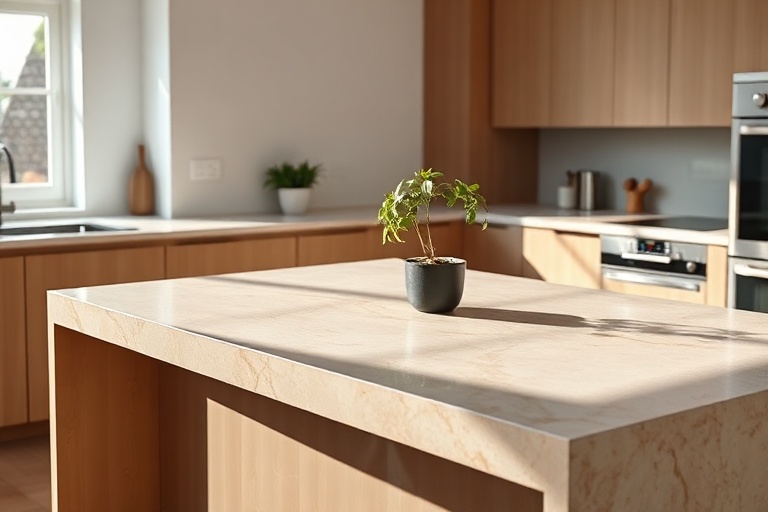
Kitchen Worktops: A Global Guide to Materials, Trends & Sustainability
From Marble to Reclaimed Wood: The Evolution of Kitchen Worktops
The kitchen worktop is more than just a surface—it’s the stage where meals are crafted, conversations flow, and memories are made. Over centuries, this essential element has transformed from a simple wooden slab to a high-tech composite, reflecting changes in materials, culture, and technology. Today, the choices available to homeowners span continents and traditions, each with its own story to tell.
In the 18th century, European kitchens relied on thick oak or pine worktops, often left untreated to resist knife marks. These surfaces were practical but far from glamorous. By the Victorian era, marble gained popularity among the affluent, prized for its cool touch and elegant veining. The Industrial Revolution introduced stainless steel, first in professional kitchens and later in homes, prized for hygiene and durability. Meanwhile, in Japan, butcher block counters made from locally sourced hardwoods like keyaki became standard, valued for their warmth and workability.
This global journey highlights a key truth about kitchen worktops: they are deeply cultural artifacts. What began as a utilitarian necessity has evolved into a design statement, a status symbol, and even a reflection of sustainability values. The modern kitchen worktop is where tradition meets innovation, where function serves beauty, and where everyday life meets global craftsmanship.
Material Matters: Comparing Worktop Options Around the World
Choosing a kitchen worktop is a decision that balances aesthetics, durability, and budget. The market offers a diverse palette, each material carrying distinct advantages and cultural significance.
In Europe, quartz has become the dominant choice for urban kitchens. Engineered from natural quartz and resins, it’s non-porous, stain-resistant, and available in countless colors. Scandinavian design, with its emphasis on minimalism and light, often pairs light-toned quartz with sleek cabinetry. In contrast, Italian kitchens frequently feature honed Carrara marble, celebrated for its timeless beauty and cool surface—ideal for baking.
Across the Atlantic, North American homeowners often lean toward granite or butcher block. Granite, a natural stone, offers unique patterns and heat resistance, making it a favorite in high-use kitchens. Butcher block counters, especially those made from end-grain hardwoods like maple or walnut, are prized in farmhouse-style and open-plan kitchens for their warmth and tactile appeal. In the southern United States, soapstone is still used in traditional kitchens for its rustic charm and natural oil resistance.
Meanwhile, in Asia, particularly in countries like China and India, composite stone worktops are gaining ground due to their affordability and versatility. These engineered surfaces mimic natural stones like marble or granite at a fraction of the cost. In Japan, however, traditional tiled worktops (kawara) are making a comeback in heritage restorations, reflecting a renewed interest in authentic materials and artisanal techniques.
Pros and Cons at a Glance
- Quartz: Durable, low-maintenance, non-porous; less heat-resistant than stone.
- Granite: Natural beauty, heat-resistant; requires sealing and can stain.
- Marble: Luxurious appearance, cool to touch; prone to etching and scratching.
- Butcher Block: Warm, eco-friendly, repairable; requires regular oiling and maintenance.
- Stainless Steel: Industrial look, hygienic; shows fingerprints and dents.
- Reclaimed Wood: Sustainable, unique patina; not waterproof without treatment.
Sustainability and Ethics: The New Kitchen Imperative
As environmental awareness grows, so does the demand for sustainable kitchen worktops. Consumers are increasingly scrutinizing the origin of materials, manufacturing processes, and lifecycle impacts of their countertops.
Reclaimed wood worktops, sourced from old factories, barns, or wine barrels, are gaining traction for their eco-credentials and character. Each piece tells a story, with nail holes, saw marks, and weathered edges adding authenticity. In Europe, certifications like FSC (Forest Stewardship Council) ensure that wood comes from responsibly managed forests. Similarly, recycled glass countertops, made from post-consumer glass, are being used in eco-conscious kitchens from Berlin to Brooklyn.
Natural stone remains popular, but ethical sourcing is now a key concern. The illegal mining of certain stones has led to human rights abuses and environmental damage. Brands are responding by offering transparent supply chains and certificates like the Responsible Jewellery Council’s standards adapted for stone. In India, local artisans are reviving traditional methods of cutting and finishing granite to reduce waste and energy use.
Even engineered materials like quartz are being reimagined. Some manufacturers now use recycled content in their composites and adopt closed-loop production systems. In Japan, companies are experimenting with worktops made from recycled paper composites, offering a lightweight, waterproof alternative to traditional materials.
Design Trends: Blending Function with Identity
The kitchen worktop is no longer just a backdrop—it’s a central character in the home’s narrative. Design trends reflect this shift, with worktops becoming canvases for personal expression and technological integration.
In contemporary urban apartments, minimalist quartz counters in neutral tones create a clean, uncluttered look, often paired with integrated sinks and hidden appliances. In contrast, maximalist kitchens embrace bold choices: concrete worktops with metallic aggregates, recycled glass mosaics, or even live-edge wood with bold grain patterns. These decisions often reflect the homeowner’s personality, cultural background, or aesthetic influences from global travel.
Technology is also reshaping the worktop. Induction cooktops are being seamlessly integrated into stone or quartz surfaces, while smart countertops with wireless charging pads and embedded scales are appearing in high-end kitchens. In Japan, some homes feature worktops with embedded cutting boards that drain directly into sinks, combining hygiene with convenience.
Color is another frontier. While white and gray remain dominant in Western markets, warmer tones like terracotta, ochre, and deep green are emerging, inspired by Mediterranean and North African aesthetics. These hues not only reflect personal taste but also connect kitchens to cultural roots and seasonal moods.
Cultural Influences on Worktop Design
- Scandinavian: Light woods, white quartz, clean lines—maximizing natural light in small spaces.
- Mediterranean: Terracotta tiles, travertine, warm earth tones—evoking rustic farmhouses and coastal villas.
- Japanese: Butcher block, hinoki wood, neutral tones—prioritizing natural materials and simplicity.
- Industrial: Stainless steel, concrete, dark metals—celebrating raw, unfinished aesthetics.
- Boho: Reclaimed wood, mosaic tiles, bold patterns—mixing global influences and handcrafted elements.
Conclusion: The Worktop as a Reflection of Modern Life
The kitchen worktop is a silent witness to daily life—where coffee is poured, dough is kneaded, and stories are shared. It is also a mirror of our values: our concern for the planet, our appreciation for craftsmanship, and our desire for beauty in everyday spaces.
As materials evolve and cultural boundaries blur, the worktop remains a constant—yet ever-changing—element in the home. Whether it’s a slab of reclaimed oak, a sheet of recycled glass, or a slab of Italian marble, the choice of worktop tells a story. It speaks of where we come from, where we live, and where we’re headed.
In a world of disposable design, the kitchen worktop endures. It is built to last, meant to be used, and designed to inspire. And in that endurance, it offers something rare in modern life: a touch of permanence in a transient world.