putin’s war comes home to moscow
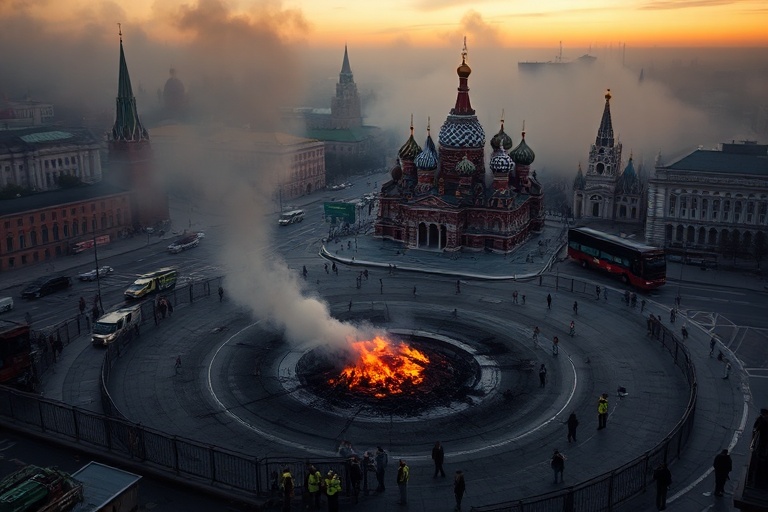
The war in Ukraine has long been perceived as a distant conflict for many Russians, confined to news reports and propaganda broadcasts. Yet recent events suggest that the war is no longer a faraway struggle but one that is increasingly encroaching upon the streets of Moscow itself. From targeted strikes to the specter of domestic dissent, the conflict is reshaping the capital’s landscape in ways that were once unimaginable.
Moscow, a city synonymous with power and control, is now grappling with the realities of a war that has come home to roost. The once-distant echoes of conflict are now reverberating through its neighborhoods, institutions, and even its political elite. This shift is not merely symbolic; it is altering the fabric of daily life in ways that demand closer examination.
The Rise of Targeted Strikes and Urban Vulnerability
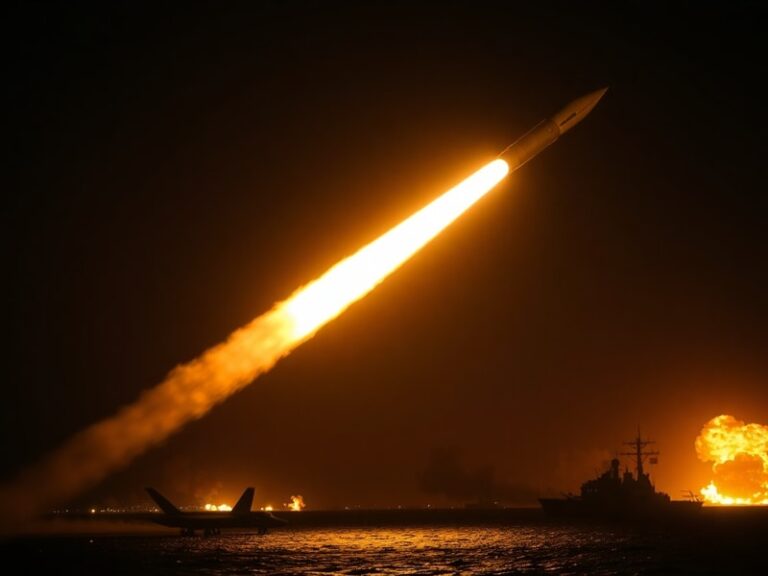
In May 2024, Moscow experienced a series of drone attacks that marked a stark departure from the war’s previous dynamics. These strikes, though relatively limited in scale, underscored the city’s growing vulnerability to asymmetric warfare. The Kremlin’s response—heightened security measures and a crackdown on dissent—has done little to dispel the sense of unease among residents.
The attacks targeted key infrastructure, including government buildings and military facilities, signaling a deliberate shift in strategy by Ukrainian forces. While the damage was minimal, the psychological impact was profound. For the first time, Moscow’s residents were forced to confront the reality that the war was no longer confined to the front lines.
- May 2024 drone strikes: Targeted government and military sites, causing minor damage but significant psychological impact.
- Heightened security: Increased police presence and surveillance in public spaces.
- Public reaction: A mix of fear, resignation, and defiance among Moscow’s population.
The Kremlin’s narrative of a war fought “elsewhere” has been steadily eroding. As strikes grow bolder and more frequent, the illusion of safety in Moscow is fading. This shift is forcing both the government and its citizens to reassess their roles in a conflict that is no longer abstract.
The Crackdown on Dissent: A City Under Siege
Parallel to the physical threats, Moscow is witnessing a parallel battle—one waged against internal dissent. The Russian government has intensified its crackdown on opposition voices, using the war as justification for sweeping arrests and censorship. Independent media outlets have been shuttered, and critics of the war face imprisonment or exile.
This repression is not merely a response to external threats but a reflection of the regime’s fear of losing control. As the war drags on, the Kremlin’s grip on power is tightening, and Moscow’s streets are becoming a battleground for ideological control. The once-vibrant protest culture of the city has been silenced, replaced by a suffocating atmosphere of surveillance and fear.
Yet, beneath the surface, pockets of resistance persist. Underground networks of activists continue to challenge the narrative, distributing anti-war materials and organizing covert gatherings. Their efforts are small but significant, a testament to the resilience of Moscow’s civil society in the face of overwhelming odds.
The Economic Fallout: Moscow’s Shrinking Prosperity
The war’s economic toll is another critical dimension of its encroachment on Moscow. Sanctions, capital flight, and the strain of prolonged conflict have eroded the city’s once-thriving economy. Luxury real estate prices have plummeted, and international businesses are fleeing, leaving behind a hollowed-out urban landscape.
The ruble’s volatility and rising inflation have further strained household budgets, pushing more Muscovites into financial precarity. The government’s attempts to mitigate these effects—through subsidies and state-controlled economic policies—have done little to restore confidence. Instead, they have deepened dependency on the state, further consolidating its power.
For the first time in decades, Moscow’s reputation as a global financial hub is at risk. The city’s economic decline is not just a matter of statistics; it is reshaping the lives of its residents, from the elite to the working class. The war’s economic fallout is yet another reminder that no corner of Moscow remains untouched by the conflict.
The Geopolitical Chessboard: Moscow’s Changing Role
Beyond its immediate impact, the war is redefining Moscow’s role on the global stage. Once a symbol of Russian power, the city is now a focal point for international scrutiny and condemnation. Diplomatic isolation and the specter of further sanctions loom large, as Western nations reassess their engagement with Russia.
The Kremlin’s response has been one of defiance, with Moscow positioning itself as a bastion of resistance against Western hegemony. Yet this narrative is increasingly strained by the realities of war. As Moscow becomes more isolated, its ability to shape global events is diminishing, leaving the city—and its leaders—with fewer options.
The war’s encroachment on Moscow is not just a military or political issue; it is a multifaceted crisis that is reshaping the city’s identity. From its streets to its boardrooms, the conflict is leaving an indelible mark, one that will define Moscow’s future for years to come.
For those who call Moscow home, the war is no longer a distant abstraction. It is a daily reality, one that demands adaptation, resilience, and, for some, defiance. The city’s transformation is far from over, but one thing is clear: Putin’s war has come home to Moscow, and there is no turning back.
As the conflict continues to unfold, the world watches closely—not just for the military outcomes, but for the human stories that emerge from the heart of Russia’s capital. Moscow’s struggle is a microcosm of the broader war, a reminder that no conflict can remain confined to its original borders forever.
For more analysis on global conflicts and their local impacts, explore our News and Politics sections.