The King’s Speech: How Royal Addresses Shape Global Leadership
The King’s Speech: How a Simple Moment Became a Global Symbol of Leadership
The King’s Speech has long transcended its origins as a ceremonial address to become a powerful symbol of authority, unity, and resilience. Whether delivered in times of crisis or celebration, these speeches often carry weight far beyond their immediate context. They shape public perception, reinforce national identity, and sometimes even redefine the role of leadership itself.
From the balconies of Buckingham Palace to the screens of billions worldwide, the act of a monarch addressing the people is steeped in tradition. Yet, the impact of these speeches rarely remains confined to tradition alone. When delivered with sincerity, they can bridge divides, calm fears, and inspire collective action. This dual role—as both a ritual and a catalyst—has made The King’s Speech a subject of fascination for historians, political scientists, and the public alike.
The Historical Weight of Royal Addresses
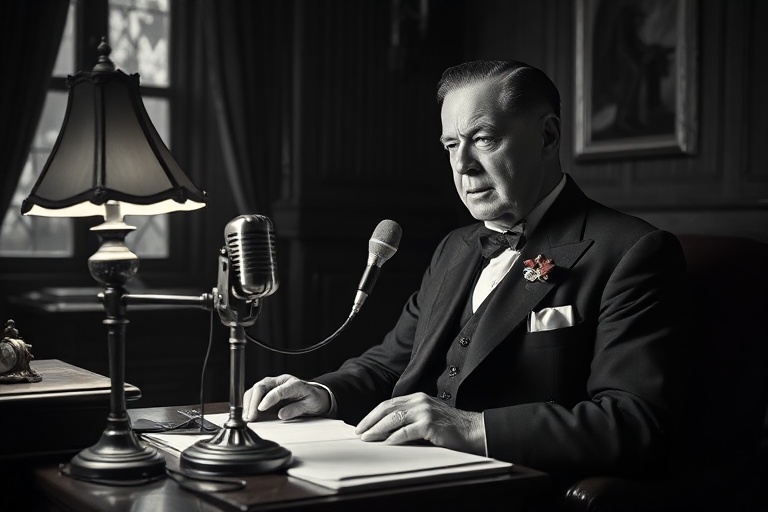
Royal speeches are not mere formalities; they are carefully crafted messages designed to resonate in moments of significance. The most notable examples often occur during times of national upheaval, such as wars, political transitions, or tragedies. Queen Elizabeth II’s addresses during the COVID-19 pandemic, for instance, were watched by millions and praised for their ability to convey empathy and resolve without political bias.
Such speeches draw their strength from centuries of precedent. The British monarchy, in particular, has cultivated a public image of stability and continuity, making its words a rare source of unifying communication in an era of polarized media. This tradition is not unique to the UK. In countries like Spain, Japan, and Sweden, royal addresses serve similar purposes, reinforcing national cohesion during turbulent times.
- United Kingdom: Known for its wartime broadcasts and modern pandemic-era addresses.
- Japan: The Emperor’s New Year speeches often reflect national resilience and cultural values.
- Spain: King Felipe VI’s addresses during the 2017 Catalan crisis reinforced constitutional unity.
The cultural context of these speeches is equally important. In monarchies with deep historical roots, the monarch’s role is often symbolic but no less significant. The words chosen, the tone adopted, and even the pauses taken can carry symbolic weight, reinforcing the monarchy’s place in the national psyche.
The Modern Evolution of The King’s Speech
While tradition provides the foundation, modern technology has transformed how these speeches are received. Live broadcasts, social media clips, and global news coverage ensure that a single address can reach audiences across continents within minutes. This shift has introduced new challenges: the pressure to craft messages that resonate universally while maintaining cultural authenticity.
One notable example is King Charles III’s first Christmas broadcast in 2022. Following the passing of Queen Elizabeth II, the speech was closely scrutinized not just for its content but for how it signaled continuity and change. The address struck a balance between honoring tradition and acknowledging a new era, a task that required careful navigation of public expectations.
Social media has also democratized the reception of these speeches. Clips of key moments—such as a monarch’s poignant pause or a particularly resonant phrase—often go viral, sparking global conversations. This digital amplification can elevate a speech from a national event to an international one, as seen with the widespread sharing of Queen Elizabeth II’s 2020 address during the pandemic.
The Psychological and Cultural Impact
The power of The King’s Speech lies not just in the words spoken but in the emotions they evoke. Psychologists suggest that authoritative yet compassionate communication can foster a sense of security and trust, particularly in times of uncertainty. This psychological effect is amplified by the symbolic role of the monarchy, which often represents stability in an unstable world.
Culturally, these speeches serve as a bridge between the past and the present. They remind citizens of shared history while subtly guiding the nation toward a collective future. For example, King Willem-Alexander of the Netherlands’ 2013 address during the national flood crisis reinforced themes of resilience and unity, resonating deeply with a population that had just endured a traumatic event.
In some cases, these speeches have even influenced policy. During the 1939 abdication crisis in Belgium, King Leopold III’s radio address attempted to address public concerns, though it ultimately sparked controversy. This example underscores the delicate balance monarchs must maintain between speaking to the people and avoiding political entanglements.
The King’s Speech as a Tool for Global Diplomacy
Beyond national borders, The King’s Speech has also played a role in international relations. State visits often include carefully choreographed addresses that emphasize partnership, shared values, and mutual respect. These speeches are not just ceremonial; they are strategic communications designed to strengthen diplomatic ties.
For instance, when King Abdullah II of Jordan delivered a speech addressing regional instability in 2011, his words were closely watched not just in Jordan but across the Middle East. The address positioned him as a voice of moderation and reason, reinforcing Jordan’s role as a stabilizing force in a volatile region.
Similarly, the speeches of monarchs during state visits to former colonies often carry additional weight. These addresses can acknowledge historical injustices while reaffirming commitments to future cooperation. The 2018 visit of King Willem-Alexander to Indonesia, for example, included reflections on colonial history and a renewed focus on cultural and economic ties.
Lessons from the Past, Preparing for the Future
As monarchies adapt to the 21st century, the role of The King’s Speech continues to evolve. Modern audiences expect authenticity and relevance, pushing monarchs to balance tradition with contemporary concerns. The rise of social media and citizen journalism means that every address is now subject to real-time scrutiny, requiring meticulous preparation and an acute awareness of public sentiment.
One emerging trend is the use of multimedia elements in royal addresses. Some monarchs have incorporated video messages or interactive elements to engage younger audiences. Others have experimented with more conversational tones, breaking away from the stiff formalities of the past to foster a sense of connection.
Yet, the core purpose of these speeches remains unchanged: to provide a voice of unity and stability. In an era of rapid change and global uncertainty, the measured words of a monarch can offer a rare moment of reflection and reassurance.
Conclusion: The Enduring Relevance of The King’s Speech
The King’s Speech is more than a tradition; it is a living institution that adapts to the needs of the times while preserving its core purpose. Whether delivered during a crisis or a celebration, these addresses serve as a reminder of the power of words to unite, inspire, and lead. As monarchies navigate the complexities of the modern world, their speeches will continue to be a vital bridge between history and the future.
For those interested in exploring how leadership communication shapes global perceptions, Politics and Culture offer deeper insights into the intersection of power, tradition, and public engagement.