traffic congestion
Understanding the Causes of Urban Traffic Congestion
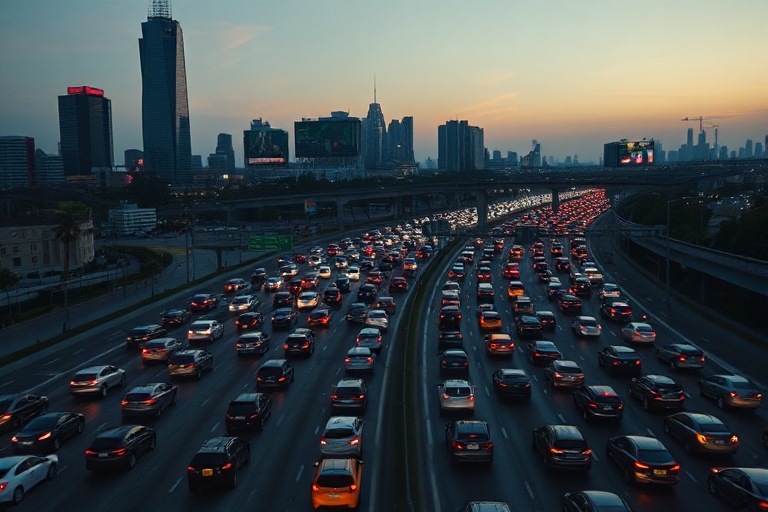
The steady crawl of cars on city streets during rush hour is more than just an inconvenience—it’s a symptom of deeper urban planning challenges. Traffic congestion stems from a combination of rapid population growth, outdated infrastructure, and inefficient public transportation systems. As cities expand, the number of vehicles on the road often outpaces the capacity of existing roads, leading to bottlenecks at intersections, during peak travel times, and in areas with limited alternative routes.
Another significant factor is the reliance on personal vehicles. Many urban areas were designed decades ago when car ownership was less widespread. Today, the sheer volume of cars overwhelms these systems. In some cities, zoning laws that separate residential areas from commercial hubs force residents to commute long distances daily, adding to congestion. Additionally, insufficient investment in alternatives such as subways, buses, or bike lanes leaves many with no choice but to drive.
The Role of Economic Activity in Traffic Patterns
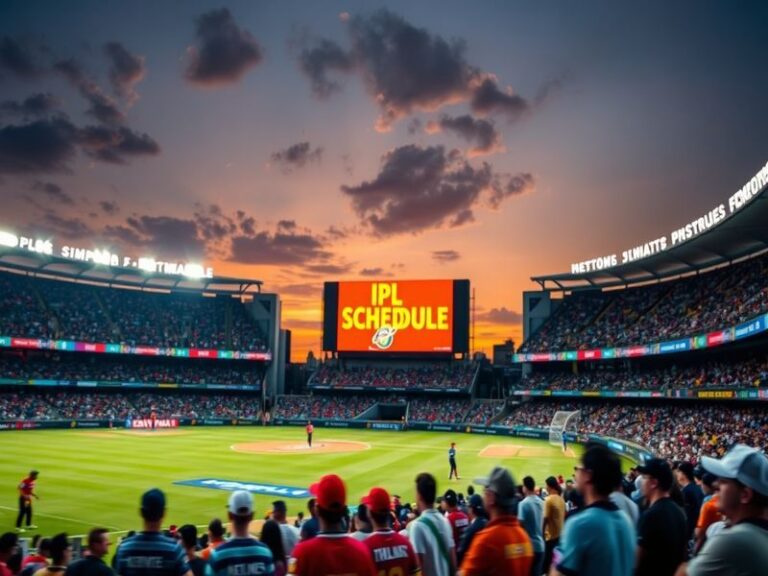
Economic centers within cities naturally attract more traffic. Business districts, shopping centers, and entertainment venues become congestion hotspots, especially when public transit options are limited. For example, downtown areas in major cities often experience severe gridlock during business hours, not just rush periods. Events like concerts, sports games, or festivals can also create temporary but intense spikes in traffic as thousands of people converge on a single location.
Retail and commercial zones that prioritize accessibility by car often contribute to congestion. Large parking lots and drive-thru facilities encourage more vehicle trips, which further strains road networks. Cities attempting to revitalize downtown areas with mixed-use development must balance economic growth with mobility solutions to avoid worsening traffic conditions.
The Environmental and Economic Toll of Congestion
The consequences of traffic congestion extend far beyond delayed commutes. Idling vehicles contribute significantly to air pollution, emitting carbon dioxide, nitrogen oxides, and particulate matter that degrade urban air quality. Studies have shown that traffic-related emissions are a leading cause of respiratory illnesses in densely populated areas. The health impacts—especially for children and the elderly—are substantial and often overlooked in discussions about transportation.
Economically, congestion costs billions annually in lost productivity, wasted fuel, and increased vehicle maintenance. According to the Texas A&M Transportation Institute, the average American commuter spends over 50 hours per year stuck in traffic. This inefficiency translates to reduced work hours, higher shipping costs for businesses, and decreased quality of life. Cities with severe congestion often face challenges in attracting businesses and retaining residents who seek more efficient living environments.
Innovative Solutions Being Tested Worldwide
Some cities are turning to technology and policy changes to mitigate congestion. Congestion pricing, implemented in cities like London and Singapore, charges drivers a fee to enter high-traffic zones during peak hours. The goal is to reduce the number of cars entering these areas while generating revenue for public transit improvements. Early results have shown a measurable decrease in vehicle traffic and improved air quality in priced zones.
Another approach is the expansion of smart traffic systems. Cities such as Los Angeles and Barcelona use sensors and real-time data to adjust traffic light timings dynamically, smoothing out flow and reducing stop-and-go patterns. These systems can prioritize public transit vehicles or emergency response units, further enhancing efficiency. However, implementation requires significant upfront investment and ongoing maintenance.
Urban planners are also exploring the concept of “15-minute cities,” where essential services—schools, hospitals, grocery stores—are within a 15-minute walk or bike ride from home. This model reduces the need for long commutes and encourages shorter, more efficient trips. Paris has embraced this idea, aiming to transform neighborhoods into self-sufficient communities where residents can meet daily needs without relying on cars.
Public Transit as a Viable Alternative
For congestion to ease, public transit must become a more attractive option than driving. Yet, in many cities, transit systems are underfunded, unreliable, or inaccessible. A single delayed train or overcrowded bus can deter potential riders, reinforcing the cycle of car dependency. Cities like Tokyo and Zurich have successfully reduced congestion by offering punctual, frequent, and well-connected transit networks that integrate seamlessly with other modes of transport.
Investment in high-capacity transit—such as light rail or bus rapid transit (BRT)—can provide faster, more reliable service than traditional buses. BRT systems, which use dedicated lanes and priority signaling, have shown promise in cities like Bogotá and Cleveland. These systems can move large numbers of passengers efficiently, often at a lower cost than subways. However, their success depends on consistent funding and political will.
Another critical factor is last-mile connectivity. Even if a subway system is efficient, commuters may still rely on cars or buses to reach the station. Cities like Copenhagen and Amsterdam have addressed this by creating extensive networks of bike lanes and pedestrian paths, making it easy for people to combine cycling with public transit. This multimodal approach reduces the overall number of cars on the road while promoting healthier lifestyles.
What Can Drivers and Cities Do Moving Forward?
Individuals can take steps to reduce their contribution to congestion. Carpooling, even just a few times a week, can significantly decrease the number of vehicles on the road. Remote work, when feasible, also alleviates pressure during peak hours. For those who must drive, planning trips outside of rush hour or using navigation apps to avoid congested routes can make a difference. Small changes in behavior, when adopted widely, can collectively ease traffic strain.
Cities, meanwhile, must prioritize long-term solutions over short-term fixes. This means investing in public transit infrastructure, redesigning streets to prioritize pedestrians and cyclists, and enforcing policies that discourage unnecessary car use. Some cities are experimenting with “superblocks,” where entire neighborhoods are closed to through traffic, prioritizing community spaces and local businesses. Barcelona’s superblock initiative has reduced noise and air pollution while fostering social interaction in previously car-dominated areas.
Education and awareness campaigns can also shift public attitudes toward sustainable transportation. Cities like Vienna and Freiburg have successfully promoted cycling and walking by creating safe, inviting environments. These efforts require collaboration between government, businesses, and residents to build a transportation culture that values efficiency, accessibility, and environmental stewardship.
For those interested in exploring transportation trends further, Dave’s Locker Automotive section offers insights into vehicle technology and urban mobility solutions. Alternatively, the Culture section features articles on how cities worldwide are reimagining public spaces and infrastructure.
A Path Toward Less Congested Cities
Traffic congestion is not an insurmountable problem, but it demands proactive, creative solutions. Cities that address the root causes—by improving transit options, rethinking urban design, and encouraging behavioral shifts—can create more livable, sustainable environments. The goal isn’t just to move cars faster, but to build communities where mobility is accessible, efficient, and environmentally responsible. With coordinated effort and sustained investment, the future of urban transportation can be far less gridlocked than the present.