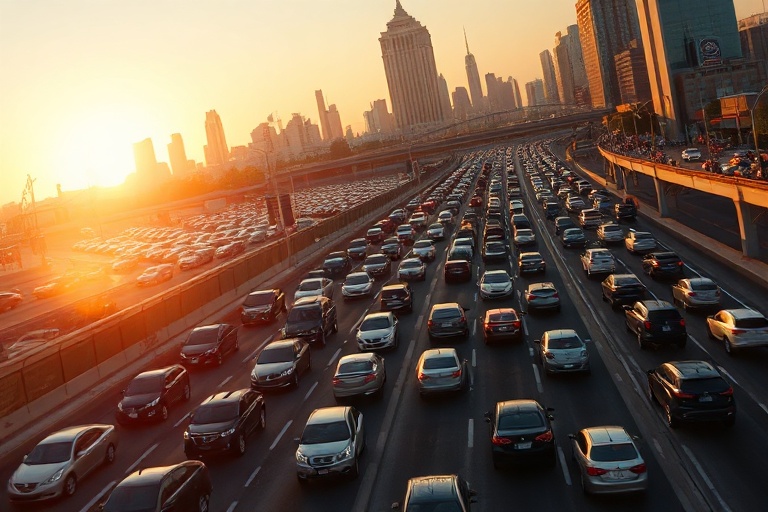
Traffic congestion is more than just a daily annoyance—it’s a complex issue that drains billions from local economies, degrades public health, and alters urban development. From the sprawling highways of Los Angeles to the narrow streets of Mumbai, gridlock has become an unavoidable reality for millions of commuters worldwide. The problem isn’t limited to rush hour; it’s a persistent challenge that demands innovative solutions and systemic change.
The Economic Toll of Sitting in Traffic
The financial impact of traffic congestion is staggering. According to a 2023 report by the Texas A&M Transportation Institute, the average American driver spent 51 hours in traffic in 2022, costing the economy nearly $120 billion in lost productivity and fuel. These delays ripple through supply chains, increasing shipping costs and delaying deliveries. Small businesses, in particular, feel the pinch as delayed shipments and missed appointments erode customer trust and revenue.
Urban centers bear the brunt of these costs. In Los Angeles, traffic congestion costs the local economy over $19 billion annually, while New York City’s gridlock drains approximately $20 billion per year. These figures don’t account for the secondary effects—such as reduced tourism or higher costs of living—which further strain metropolitan budgets. Cities like London have experimented with congestion pricing to curb traffic, but such measures often spark backlash from drivers and businesses alike.
For those interested in how cities are tackling these challenges, our News section covers the latest policy debates and infrastructure projects aimed at easing gridlock.
The Human and Environmental Impact
Beyond economics, traffic congestion takes a significant toll on public health. Idling vehicles in gridlock release higher levels of carbon monoxide, nitrogen oxides, and particulate matter, contributing to respiratory illnesses and cardiovascular diseases. Studies have linked prolonged exposure to traffic-related air pollution to increased rates of asthma, lung cancer, and even dementia. Children and the elderly are particularly vulnerable, facing long-term health risks from poor air quality.
The psychological strain of daily commutes shouldn’t be underestimated either. Research from the University of West England found that drivers stuck in traffic experience higher levels of stress hormones, leading to irritability and reduced patience. This phenomenon isn’t confined to major cities—even smaller towns see spikes in road rage and accidents during peak congestion hours. The mental fatigue from navigating bumper-to-bumper traffic can spill over into personal relationships and workplace productivity.
Environmental advocates argue that the push for electric vehicles (EVs) alone won’t solve congestion. While EVs reduce emissions, they don’t address the fundamental issue of too many cars on the road. Cities like Oslo and Amsterdam have prioritized cycling and pedestrian infrastructure to combat gridlock, proving that multimodal transportation systems can reduce both traffic and pollution simultaneously.
Infrastructure: The Root of the Problem
Much of today’s traffic congestion stems from outdated infrastructure that hasn’t kept pace with population growth. The U.S. Interstate Highway System, designed in the 1950s, was built to accommodate far fewer vehicles than it handles today. Many highways in major cities are operating at or above capacity, leading to chronic bottlenecks. The phenomenon of “induced demand”—where adding lanes to highways merely encourages more drivers to use them—has frustrated urban planners for decades.
Public transit often emerges as a solution, but its effectiveness depends on accessibility and reliability. Cities like Tokyo and Singapore boast world-class transit systems that reduce reliance on personal vehicles, but their success hinges on decades of investment and cultural acceptance. In the U.S., public transit remains underfunded and fragmented. The average American commuter spends 14 minutes longer on public transit than driving, according to the U.S. Census Bureau, making cars the default choice for many.
Emerging technologies offer some hope. Ride-sharing services like Uber and Lyft were once touted as congestion relievers, but studies show they often increase traffic by adding more vehicles to the road. Autonomous vehicles (AVs) present another possibility, with proponents arguing they could optimize traffic flow and reduce accidents. However, AVs are still years away from widespread adoption, and their impact on congestion remains uncertain.
Innovative Solutions on the Horizon
Cities around the world are experimenting with unconventional strategies to combat gridlock. In Milan, Italy, the “Area C” congestion charge has reduced traffic by 30% since its implementation in 2012. San Francisco’s “SFpark” project uses dynamic pricing to manage parking demand, freeing up spaces and reducing circling traffic. These examples highlight the potential of market-based solutions to influence driver behavior.
Another promising approach is the expansion of congestion pricing, where drivers pay a fee to enter high-traffic zones during peak hours. London’s scheme, launched in 2003, has cut traffic by 15% and generated funds for public transit improvements. Critics argue that such policies disproportionately affect low-income drivers, but advocates counter that the revenue can subsidize alternatives like buses and bike lanes.
For a deeper look at how technology is reshaping urban mobility, check out our Technology section, where we explore the latest advancements in smart cities and transportation.
What Can Drivers Do?
While systemic changes are necessary, individual drivers can also take steps to mitigate their contribution to congestion. Carpooling, telecommuting, and using public transit during peak hours are practical ways to reduce traffic. Even small adjustments, like avoiding left turns or traveling during off-peak hours, can alleviate bottlenecks. Apps like Waze and Google Maps now offer real-time traffic updates, helping drivers make smarter route choices.
Biking and walking aren’t just for short trips—many cities are investing in “micromobility” options like e-bikes and scooters to provide last-mile solutions. These alternatives not only ease traffic but also promote healthier lifestyles. However, their success depends on safe infrastructure, such as protected bike lanes and designated parking areas.
Conclusion: A Multifaceted Challenge
Traffic congestion is a multifaceted problem that won’t be solved overnight. It requires a combination of policy changes, infrastructure investments, and shifts in public behavior. Cities that prioritize public transit, congestion pricing, and sustainable mobility options are already seeing progress. However, the path forward isn’t one-size-fits-all—solutions must be tailored to each city’s unique challenges and resources.
The future of urban mobility will likely involve a mix of old and new technologies. From high-speed rail to micro-mobility, the goal is to create systems that reduce reliance on personal vehicles while maintaining accessibility and affordability. For now, gridlock remains an inescapable part of life for millions, but with continued innovation, it doesn’t have to be.