Wordle Game Show: How a Simple Puzzle Became a Cultural Phenomenon
The Wordle game show phenomenon has quietly reshaped how millions engage with word games, transforming a simple daily puzzle into a cultural touchstone. What began as a niche browser-based game in 2021 has evolved into a global entertainment format, inspiring live events, streaming competitions, and even network television adaptations. This evolution reflects broader shifts in digital entertainment, where interactivity and communal participation redefine traditional media consumption.
The Origins of Wordle and Its Unexpected Surge
Wordle was created by software engineer Josh Wardle as a private project for his partner, who loved word games. Released in October 2021, the game gained traction through word-of-mouth sharing and its simple yet addictive mechanics: players have six attempts to guess a five-letter word, with color-coded feedback indicating correct letters and positions. The game’s viral spread was fueled by its accessibility—no app downloads, no accounts, and a single daily puzzle that encouraged shared experiences.
By early 2022, Wordle had been acquired by The New York Times, a move that legitimized its cultural impact while also sparking debates about the commercialization of viral content. The acquisition brought technical challenges, including server outages and user migration to new platforms, but it also expanded Wordle’s reach into mainstream media. The game’s integration with the Times’ digital ecosystem introduced subscription models and analytics, signaling a new era for puzzle-based entertainment.
Key Milestones in Wordle’s Evolution
- October 2021: Wordle launches as a free browser game.
- December 2021: The game goes viral, reaching over a million daily players.
- January 2022: The New York Times acquires Wordle for an undisclosed sum (reportedly in the low seven figures).
- February 2022: The Times launches a dedicated Wordle section, integrating it with its crossword and puzzle offerings.
- 2023: Live Wordle tournaments debut on streaming platforms like Twitch, featuring celebrity and influencer competitions.
- 2024: Network television experiments with Wordle-based game shows, including a primetime CBS adaptation.
From Pixels to Primetime: The Game Show Adaptation
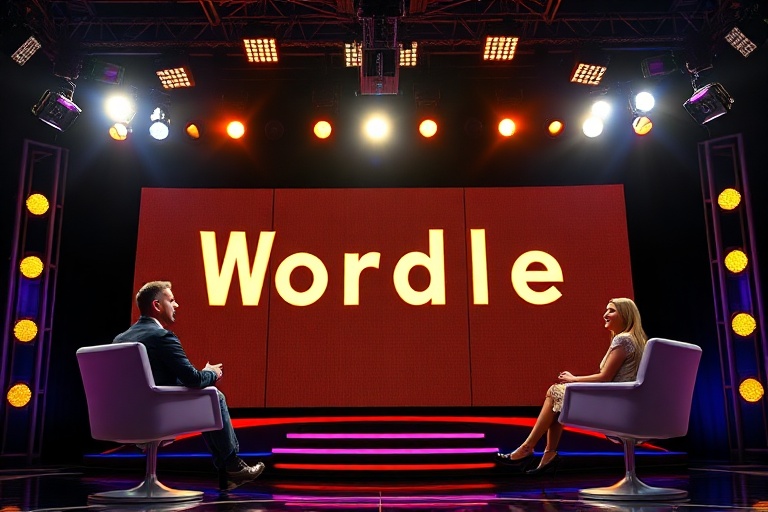
The transition from a digital puzzle to a televised game show represents a significant leap for Wordle. In 2024, CBS premiered Wordle as a primetime competition, hosted by actor and comedian Nelson Franklin. The show retained the core mechanics of the original game but added elements of strategy, time pressure, and live audience participation. Contestants competed in head-to-head rounds, with the winner advancing to a bonus round for a cash prize.
Critics praised the adaptation for its faithfulness to the source material while acknowledging the challenges of translating a solitary digital experience into a communal live format. The show’s success hinged on balancing nostalgia for the original game with fresh, engaging television mechanics. Early ratings suggested strong viewer retention, particularly among younger demographics who grew up with digital-native entertainment.
Beyond television, Wordle has inspired a wave of user-generated content. Twitch streamers and YouTube creators host marathon Wordle sessions, often with charity tie-ins or themed challenges. These streams foster communities around the game, with viewers participating in real-time discussions and sharing strategies. The phenomenon underscores how digital puzzles can evolve into social experiences, blurring the lines between gaming, streaming, and traditional media.
The Broader Implications of Wordle’s Success
Wordle’s rise reflects several broader trends in digital entertainment. First, it highlights the enduring appeal of simple, accessible games. In an era dominated by hyper-polished AAA titles, Wordle’s minimalist design and low barrier to entry offer a refreshing alternative. Its success demonstrates that players crave experiences that are easy to pick up but difficult to master—a lesson that other game developers and content creators are taking to heart.
Second, Wordle’s evolution into a game show underscores the growing convergence between gaming and traditional media. As gaming becomes a dominant force in entertainment, networks and studios are increasingly looking to adapt digital properties for television. This trend is not limited to puzzle games; franchises like Among Us and Fall Guys have also inspired live and televised adaptations, signaling a shift in how audiences consume interactive content.
Finally, Wordle’s acquisition by The New York Times raises questions about the future of digital media monetization. The Times’ subscription model, which integrates Wordle into its broader puzzle ecosystem, represents a strategic move to attract younger, casual players while retaining its core audience of dedicated solvers. This approach could serve as a blueprint for other publishers seeking to blend digital engagement with revenue streams.
What’s Next for Wordle?
The future of Wordle appears poised for further expansion, with several potential directions on the horizon. One possibility is the introduction of multiplayer modes, allowing friends to compete in real-time rather than waiting for the daily reset. This feature could tap into the social gaming trends popularized by titles like Among Us and Skribbl.io, further enhancing Wordle’s communal appeal.
Another avenue for growth lies in internationalization. While Wordle’s word lists have traditionally favored English speakers, localized versions could introduce new challenges and audiences. The game’s simplicity makes it an ideal candidate for global adaptation, particularly in regions with strong word game traditions, such as Scandinavia or East Asia.
For the game show format, the challenge will be sustaining momentum. The novelty of a televised Wordle may wear thin without fresh twists or recurring contestants. However, if executed thoughtfully, the format could evolve into a recurring series, much like Jeopardy! or Wheel of Fortune. The key will be balancing fidelity to the original game with innovative television mechanics that keep viewers engaged.
Ultimately, Wordle’s journey from a private project to a cultural phenomenon illustrates the unpredictable nature of digital entertainment. Its success is a testament to the power of simplicity, community, and adaptability—qualities that will continue to shape the future of gaming and media.
Why Wordle Matters
Wordle’s impact extends beyond its status as a viral puzzle. It represents a shift in how we engage with entertainment, where passive consumption is giving way to active participation. In an age of algorithm-driven content, Wordle offers a refreshing alternative: a shared experience that feels personal and communal all at once. Whether through a daily round of guessing or a live game show, Wordle reminds us that the simplest ideas can have the most profound cultural resonance.
For developers, Wordle serves as a case study in organic growth and user-driven design. For media companies, it offers a blueprint for monetizing digital engagement without alienating audiences. And for players, it provides a daily dose of challenge, camaraderie, and quiet triumph. As Wordle continues to evolve, one thing is certain: its story is far from over.
To explore more about the intersection of gaming and digital media, visit Dave’s Locker Gaming and Dave’s Locker Entertainment for in-depth analysis and the latest trends.