Hawaiian Monk Seals: Hawaii’s Endangered Ocean Guardians
The Hawaiian monk seal is one of the most endangered marine mammals in the United States, with fewer than 1,500 individuals remaining. These solitary creatures, found only in the Hawaiian Islands, face threats from habitat loss, human disturbance, and climate change. Their struggle for survival highlights broader challenges in marine conservation and ecosystem management.
The Unique Biology and Behavior of Hawaiian Monk Seals
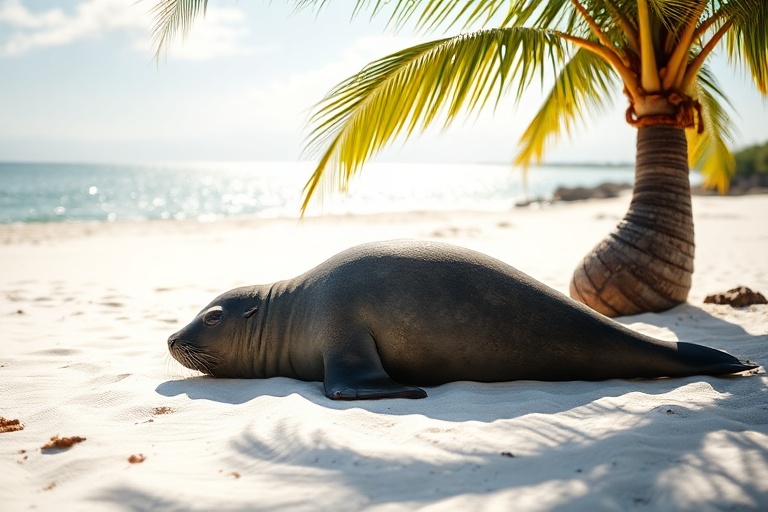
Hawaiian monk seals (Neomonachus schauinslandi) are one of only two surviving species of monk seals worldwide, the other being the Mediterranean monk seal. They are distinguishable by their large, dark eyes, whisker-covered snouts, and a streamlined body built for deep diving. Adults typically weigh between 375 to 500 pounds, with males being slightly smaller than females.
These seals spend most of their lives in the water, where they hunt for fish, crustaceans, and cephalopods. They are known for their exceptional diving abilities, capable of reaching depths of over 1,500 feet and holding their breath for up to 20 minutes. Unlike many other seal species, Hawaiian monk seals are not particularly social. They often haul out on sandy beaches or volcanic shorelines to rest, molt, and give birth, preferring to remain alone or in small groups.
Key Adaptations for Survival
- Thermoregulation: Hawaiian monk seals have a thick blubber layer that insulates them in the cooler waters of the North Pacific, while their dense fur provides additional warmth during molting periods.
- Foraging Efficiency: Their flexible spines and strong flippers enable precise navigation through coral reefs and rocky underwater terrain, allowing them to access hard-to-reach prey.
- Low Reproductive Rate: Females give birth to a single pup every 2-3 years, with a gestation period of about 11 months. This slow reproductive cycle makes population recovery particularly challenging.
Human Encroachment and Conservation Challenges
One of the greatest threats to Hawaiian monk seals is human activity. As tourism and coastal development expand across the Hawaiian Islands, seals face increasing risks from habitat disturbance. Beaches where seals haul out are often crowded with visitors, leading to stress and abandonment of pups. Entanglement in fishing gear and marine debris also poses a significant danger, as does intentional harm from individuals who view seals as competitors for fish.
The National Oceanic and Atmospheric Administration (NOAA) has designated critical habitat areas to protect key haul-out and pupping sites. However, enforcement remains difficult, particularly in remote regions where monitoring resources are limited. Climate change further exacerbates these challenges by altering ocean temperatures and food availability, forcing seals to adapt or perish.
Notable Conservation Efforts
- Monk Seal Response Teams: NOAA and local organizations deploy teams to monitor beaches, rescue entangled seals, and relocate individuals away from high-risk areas.
- Community Engagement: Programs like the Hawaiian Monk Seal Recovery Program work with local communities to educate residents and visitors about the importance of coexistence with these endangered animals.
- Research Initiatives: Scientists use satellite tracking and health assessments to better understand seal behavior, migration patterns, and disease prevalence.
The Broader Implications of Monk Seal Decline
The decline of Hawaiian monk seals is not just an ecological concern—it reflects deeper systemic issues in marine conservation. Their struggle underscores the fragility of island ecosystems, where even small changes in human behavior can have outsized impacts. Protecting monk seals requires not only direct conservation measures but also broader efforts to restore coral reefs, reduce plastic pollution, and mitigate climate change.
Moreover, Hawaiian monk seals serve as an indicator species. Their declining numbers often signal imbalances in the marine environment, such as overfishing or declining prey populations. By safeguarding these seals, conservationists are indirectly protecting the health of Hawaii’s entire coastal ecosystem.
The Role of Policy and Public Awareness
Effective conservation depends on strong policies that balance human needs with wildlife protection. The Endangered Species Act has provided a legal framework for monk seal recovery, but implementation requires sustained funding and political will. Public awareness campaigns, such as those led by Dave’s Locker Science, play a crucial role in fostering a culture of respect for marine life.
Educational initiatives can help shift perceptions of monk seals from being seen as pests to being recognized as vital components of Hawaii’s natural heritage. When communities embrace their role as stewards of the environment, conservation efforts become more effective and enduring.
Looking Ahead: A Future for Hawaiian Monk Seals
Despite the challenges, there are reasons for optimism. The Hawaiian monk seal population has shown resilience in certain areas, with some subpopulations stabilizing or even growing. Innovative conservation strategies, such as temporary captivity for severely injured seals, have resulted in successful releases back into the wild. Additionally, advancements in technology, like underwater drones and AI-driven tracking, are providing new tools for researchers to monitor and protect these elusive animals.
Yet the road to recovery remains long. Continued collaboration between government agencies, scientists, and local communities is essential. Every individual can contribute by respecting seal haul-out zones, reducing plastic use, and supporting conservation organizations. The fate of the Hawaiian monk seal is intertwined with the health of Hawaii’s oceans—and the choices we make today will determine whether these ancient guardians of the deep survive for generations to come.
For those interested in learning more about marine conservation efforts, visit Dave’s Locker Entertainment for related content and updates on wildlife initiatives.