Philadelphia International Airport (PHL) serves as a major hub for the Mid-Atlantic region, connecting passengers to domestic and international destinations daily. For travelers, understanding TSA wait times at PHL can mean the difference between making a flight and facing costly delays. Recent data and traveler experiences reveal patterns, challenges, and strategies for navigating security efficiently.
Current Trends in TSA Wait Times at PHL
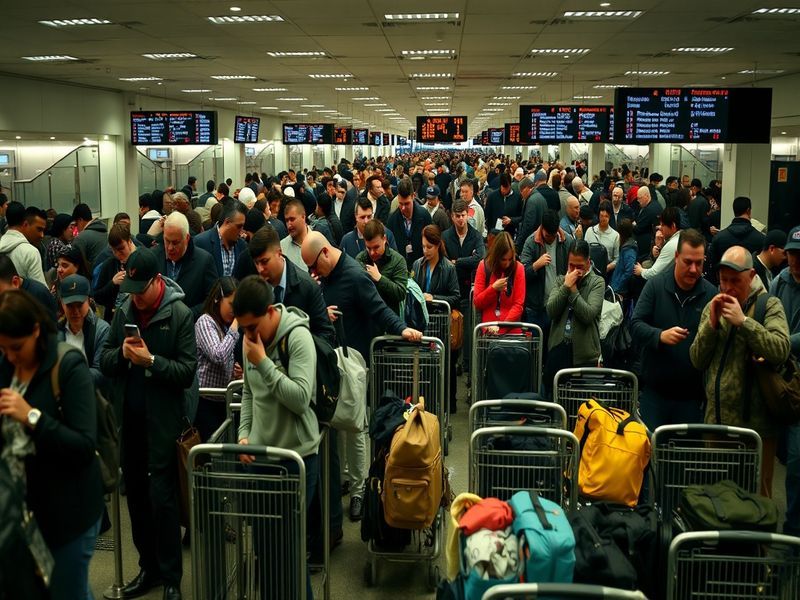
TSA wait times at Philadelphia International Airport fluctuate based on several factors, including time of day, season, and operational changes. According to the TSA’s official wait-time tool, PHL’s security lines frequently see spikes during peak travel periods. Mornings between 5:00 AM and 8:00 AM tend to be the busiest, with wait times often exceeding 30 minutes. Weekends and holidays amplify these delays, sometimes pushing wait times beyond an hour.
Recent reports from the Transportation Security Administration indicate that PHL has implemented several measures to address congestion. These include additional screening lanes and staffing adjustments during high-traffic periods. However, traveler feedback suggests that inconsistencies persist, particularly on busy travel days like the Friday before Memorial Day or the Sunday after Thanksgiving.
Factors Influencing Wait Times
- Time of Day: Early mornings and late afternoons see the highest passenger volumes.
- Day of the Week: Weekends and holidays typically result in longer wait times.
- Seasonal Trends: Summer and winter holidays drive significant increases in passenger traffic.
- TSA Staffing Levels: Understaffing can exacerbate delays, especially during unexpected surges.
- Security Protocols: Changes in screening procedures, such as stricter electronics checks, can slow down the process.
How to Check and Reduce TSA Wait Times at PHL
Travelers have several tools at their disposal to monitor and minimize TSA wait times at PHL. The TSA’s official wait-time website provides real-time updates for each security checkpoint. Additionally, PHL’s website and mobile app offer estimated wait times, though these can lag behind actual conditions.
For those looking to reduce their time in line, arriving early is the most reliable strategy. The TSA recommends arriving at least two hours before a domestic flight and three hours before an international departure. Travelers enrolled in TSA PreCheck enjoy expedited screening, often bypassing long lines entirely. CLEAR, a biometric screening service, is another option for those willing to pay for priority access.
Beyond timing, preparation plays a crucial role. Travelers should pack liquids in a clear, quart-sized bag and keep electronics easily accessible. Wearing slip-on shoes and minimizing metal accessories can also streamline the process. For families or groups, designating one person to handle bags and documents can prevent bottlenecks at the checkpoint.
Broader Implications of TSA Wait Times at PHL
Long TSA wait times at PHL extend beyond mere inconvenience. For airlines, delays can lead to missed connections, flight disruptions, and increased operational costs. Passengers, particularly those with tight layovers or business travel schedules, face stress and potential financial losses due to delayed departures.
The economic impact of security delays is substantial. Philadelphia’s tourism and business travel sectors rely heavily on timely air travel. Extended wait times can discourage travelers from choosing PHL over other airports, potentially diverting business to competitors like Newark or Baltimore. Local businesses near the airport, including hotels and restaurants, may also feel the ripple effects of frustrated travelers opting to spend elsewhere.
Moreover, long wait times contribute to broader discussions about airport infrastructure and security efficiency. As air travel demand continues to grow, airports and the TSA must balance security with passenger convenience. Innovations like automated screening lanes and biometric checkpoints are gradually being introduced, but widespread implementation remains a work in progress.
Potential Solutions and Future Outlook
Several strategies could alleviate TSA wait times at PHL in the long term. Expanding the use of TSA PreCheck and CLEAR could reduce the number of passengers requiring standard screening. Investing in additional screening lanes and staff training may also improve throughput during peak periods. Technology upgrades, such as automated document scanners, could further streamline the process.
Collaboration between the TSA, airlines, and airport authorities is essential. PHL has already taken steps to modernize its facilities, including the opening of a new terminal in 2021. Continued investment in infrastructure and technology will be critical as passenger volumes rise.
Final Recommendations for Travelers
Navigating TSA wait times at PHL requires a mix of preparation, timing, and flexibility. Travelers should check real-time wait times before leaving for the airport and plan accordingly. Enrolling in TSA PreCheck or CLEAR can save valuable time, especially for frequent flyers. Packing efficiently and arriving early remain the simplest ways to avoid stress.
For those with tight schedules, consider alternative strategies. Flying during off-peak hours, such as weekday afternoons, can significantly reduce wait times. If possible, book flights with longer layovers to account for potential delays. Keeping an eye on airport and TSA announcements can also help travelers stay ahead of changes.
Ultimately, while TSA wait times at PHL are unlikely to disappear entirely, informed travelers can mitigate their impact. By staying updated and planning ahead, passengers can focus on what matters most: their journey.
For more insights on travel trends and airport experiences, visit Dave’s Locker Travel Section or explore Dave’s Locker News for broader industry coverage.