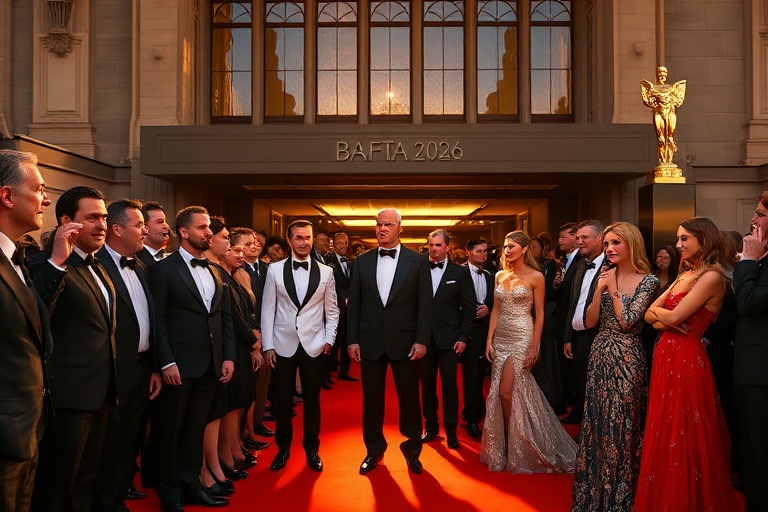
The British Academy Film and Television Arts (BAFTA) has long stood as a cornerstone of the entertainment industry, serving as a critical barometer for artistic achievement and cultural impact. As the 2026 BAFTA Awards approach, anticipation builds not just for the winners, but for the evolving dynamics within the film and television landscape. With streaming platforms, international cinema, and shifting audience preferences reshaping the industry, the 2026 ceremony could reflect broader transformations in how stories are told and celebrated.
The Evolving Criteria for Recognition
BAFTA has historically been known for its rigorous selection process, favoring films and television programs that push creative boundaries while maintaining accessibility. However, the eligibility windows and submission guidelines for 2026 are already generating discussion. The academy has adjusted its rules to better reflect the realities of modern distribution, including the rise of short-form content and international co-productions.
One notable change is the expansion of the eligibility period for films, now spanning a full calendar year rather than the previous 14-month window. This shift aims to capture the full scope of a film’s release, particularly for titles that debut in festivals before securing wider distribution. For television, the inclusion of streaming-only series continues to be a point of contention, with some industry insiders arguing that these productions should be judged on equal footing with traditional broadcast content.
Key Adjustments for 2026
- Film Eligibility: Expanded to a full calendar year, allowing for greater flexibility in release strategies.
- TV Categories: Streaming-only series are now eligible, though debates persist over parity with broadcast content.
- International Representation: New initiatives aim to diversify the voter base and highlight global storytelling.
- Shorter-Form Content: A dedicated category for short films and series episodes under 30 minutes is under consideration.
The Impact of Streaming and Global Cinema
The dominance of streaming platforms like Netflix, Amazon Prime, and Disney+ has fundamentally altered how audiences consume content. For the 2026 BAFTAs, this means an influx of high-budget productions from these platforms competing alongside traditional studio releases. Films like Dune: Part Two and series such as The Crown’s final season have already set the stage for what could be a landmark year for streaming-driven storytelling.
International cinema, too, is poised to make a significant impact. Countries like South Korea, Nigeria, and Brazil have seen their film industries flourish, producing works that resonate globally. BAFTA has made concerted efforts to diversify its nominations, and 2026 could see a record number of non-English-language films in contention. This shift not only reflects changing audience tastes but also underscores the academy’s commitment to inclusivity.
A Changing Voter Base
The BAFTA voting body, composed of industry professionals, has undergone gradual changes in recent years. Younger voters, particularly those from digital-native backgrounds, are increasingly influencing the outcome of categories like Best Film and Best Television Drama. This demographic shift could lead to a greater emphasis on innovative storytelling techniques, such as nonlinear narratives and interactive media.
However, concerns remain about the academy’s ability to maintain its prestige while adapting to these changes. Some critics argue that the influx of streaming content dilutes the prestige traditionally associated with BAFTA nominations. Others worry that the focus on global cinema might overshadow homegrown talent, particularly in categories like Best British Film.
Contenders and Dark Horses for 2026
While it’s still early, several films and television programs are already generating buzz for the 2026 BAFTAs. Christopher Nolan’s Oppenheimer sequel, Fury, has been tipped as a potential front-runner in the Best Film category, while Greta Gerwig’s Wicked adaptation could dominate technical categories. On the television side, HBO’s House of the Dragon and Netflix’s 3 Body Problem are expected to vie for Best Drama.
Indie films are also likely to play a significant role. Directors like Andrea Arnold and Steve McQueen have projects in development that could resonate strongly with BAFTA voters. Meanwhile, animated features from studios like Aardman and Pixar are poised to make a splash, particularly if they push the boundaries of the medium.
Potential Upset Candidates
- International Films: Look for titles like Anora (dir. Sean Baker) or The Zone of Interest (dir. Jonathan Glazer) to gain traction.
- Documentaries: With the rise of investigative journalism in film, expect strong contenders from the likes of Alex Gibney and Laura Poitras.
- British Talent: Keep an eye on emerging directors like Rose Glass and emerging actors like Mia Goth, who could break out in 2026.
Broader Implications for the Industry
The outcomes of the 2026 BAFTAs will extend beyond the ceremony itself, influencing industry trends and audience expectations. A strong showing for streaming platforms could further legitimize their role in the awards ecosystem, while a surge in international nominations might encourage more studios to invest in global co-productions.
For British cinema, the awards serve as a vital platform to showcase talent and attract international investment. The 2026 ceremony will be particularly significant in this regard, as the UK film industry recovers from the challenges of the past few years. A successful awards season could bolster confidence in British storytelling and reinforce the country’s position as a creative hub.
Moreover, the BAFTAs will continue to shape the conversation around representation. With ongoing debates about diversity in the entertainment industry, the 2026 nominations and winners will be scrutinized not just for artistic merit, but for their reflection of a changing world. The academy’s ability to balance tradition with innovation will be tested as never before.
Conclusion: A Ceremony at a Crossroads
The 2026 BAFTA Awards represent more than just another year in the awards calendar. They symbolize the entertainment industry’s ongoing evolution, as it grapples with the rise of streaming, the global expansion of cinema, and the demand for greater inclusivity. For audiences, the ceremony offers a chance to celebrate the best of storytelling, while for industry professionals, it serves as a bellwether for future trends.
As the nominations are announced and the ceremony approaches, one thing is clear: the 2026 BAFTAs will be a reflection of where the industry stands today—and where it might be headed tomorrow. Whether through groundbreaking new voices or the continued dominance of established players, the awards will once again prove their significance in the cultural landscape.
For those looking to explore more about the intersection of film, television, and industry trends, Dave’s Locker’s Entertainment section offers in-depth analysis and commentary. Additionally, our Analysis section provides broader insights into the forces shaping modern entertainment.