Chelsea Flower Show 2026: Future Trends in Garden Design and Sustainability
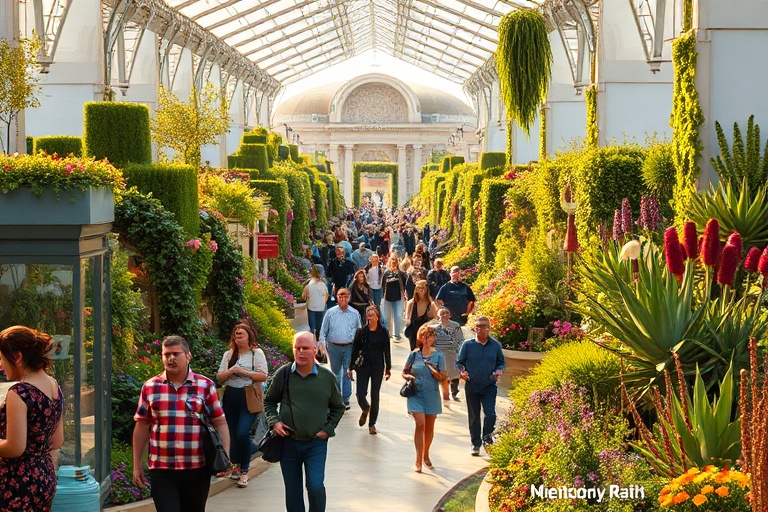
The Royal Horticultural Society’s Chelsea Flower Show has long stood as a beacon of horticultural innovation, garden design excellence, and environmental stewardship. As preparations for the 2026 edition gather pace, industry insiders and enthusiasts alike are speculating on how the event will evolve. With climate change reshaping landscapes and public interest in sustainable living surging, the 2026 show promises to be both a reflection of current trends and a catalyst for future practices.
Set against the historic backdrop of the Royal Hospital Chelsea, the event remains a cornerstone of Britain’s cultural and botanical calendar. Each year, it draws over 160,000 visitors, hosts award-winning designers, and showcases groundbreaking plant introductions. But as we look ahead to May 2026, the show is poised to address urgent ecological questions while continuing its tradition of beauty and inspiration.
Emerging Trends Shaping the 2026 Show
The horticultural world is undergoing a transformation, driven by sustainability imperatives and technological advancements. Chelsea Flower Show 2026 is expected to reflect several key trends that are already reshaping garden design and plant cultivation across the UK and beyond.
Among the most prominent is the rise of climate-resilient gardening. With unpredictable weather patterns becoming the norm, designers are prioritizing drought-tolerant plants, native species, and innovative irrigation systems. This shift is not merely aesthetic—it represents a fundamental rethinking of how gardens can support biodiversity and reduce water usage in an era of environmental strain.
Another trend gaining momentum is the integration of technology in garden design. From smart irrigation controllers to app-based plant care systems, technology is enabling gardeners to monitor and manage their outdoor spaces with unprecedented precision. Expect to see these innovations featured prominently in show gardens, where automation meets artistry.
Community and accessibility are also taking center stage. The 2026 show is likely to emphasize gardens designed for therapeutic use, sensory engagement, and inclusive participation—reflecting a broader societal shift toward wellness and equitable design. These themes align closely with initiatives highlighted on Dave’s Locker Culture section, which explores how creativity intersects with public well-being.
Key Trends Anticipated at Chelsea Flower Show 2026
- Climate-Resilient Design: Gardens built to withstand extreme weather, featuring native plants, permeable surfaces, and drought-resistant species.
- Sustainable Materials: Increased use of recycled, biodegradable, or locally sourced materials in garden construction and decor.
- Technology Integration: Smart sensors, solar-powered lighting, and AI-driven plant health monitoring systems in show gardens.
- Therapeutic and Sensory Gardens: Spaces designed to promote mental well-being, particularly for healthcare and educational settings.
- Urban Greening Solutions: Compact, multifunctional gardens tailored for balconies, rooftops, and small urban spaces.
Sustainability as a Core Theme
Sustainability is no longer a niche concern—it is a requirement. The Royal Horticultural Society (RHS) has made clear that environmental responsibility will be a defining feature of the 2026 show. This follows the organization’s 2030 sustainability commitments, which aim to halve the show’s carbon footprint and eliminate single-use plastics entirely.
Garden designers are responding with ambitious visions. Some are creating carbon-negative gardens that sequester more carbon than they emit, using techniques such as biochar soil amendments and living walls densely planted with carbon-absorbing species. Others are exploring circular economy principles, where materials are reused or repurposed after the event—an approach already being pioneered in temporary exhibition spaces.
The 2026 show gardens may also highlight rewilding principles, showcasing how domestic gardens can contribute to larger ecological networks. This includes the use of native wildflowers, log piles for invertebrates, and water features designed to support amphibians and birds. These designs challenge the traditional notion of a “tidy” garden, instead embracing wildness as a form of beauty and ecological function.
Such innovations reflect a broader cultural shift. As climate anxiety grows, many are turning to gardening not just as a hobby, but as an act of resistance and renewal. The Chelsea Flower Show, traditionally a showcase of ornamental excellence, is evolving into a platform for environmental advocacy.
Global Influences and Local Impact
While Chelsea remains a quintessentially British event, its influence extends far beyond the UK. The 2026 show is expected to feature a stronger international presence, with designers from Europe, Asia, and the Americas contributing gardens that blend global botanical knowledge with local context.
For instance, Japanese-inspired dry gardens may appear alongside Mediterranean drought-resistant landscapes, reflecting how garden design adapts to climate realities across continents. There’s also growing interest in edible landscapes—gardens where aesthetics meet productivity, featuring perennial vegetables, fruit trees, and herbs arranged with artistic intent. This trend aligns with the global rise in urban farming and food security awareness.
The 2026 show could also spotlight rewilding projects from the UK’s overseas territories, such as the Cayman Islands or Gibraltar, where unique ecosystems face distinct conservation challenges. By featuring these gardens, the RHS underscores the global nature of biodiversity loss and the shared responsibility to address it.
On a local level, the event continues to support British horticulture. The show provides a vital platform for nurseries, plant breeders, and garden designers to launch new varieties and innovations. Many of the plants displayed at Chelsea go on to become garden staples, shaping the look and feel of private and public spaces across the country. The 2026 edition is expected to introduce several new cultivars, particularly those bred for resilience and low maintenance.
Beyond the Showgrounds: The Ripple Effect of Chelsea
The influence of the Chelsea Flower Show extends well beyond its five-day run. The event catalyzes trends in gardening, landscaping, and even policy. For example, past shows have inspired local authorities to invest in urban green spaces, and retailers to expand ranges of drought-tolerant plants.
The 2026 show is likely to accelerate this ripple effect. With growing public interest in “green recovery” post-pandemic, gardens are being reimagined as essential infrastructure—not just for beauty, but for mental health, air purification, and urban cooling. The RHS’s own research shows that access to green spaces reduces stress, improves cognitive function, and even lowers blood pressure. These findings are increasingly informing public health strategies.
Moreover, the show serves as a proving ground for new materials and techniques. Recycled plastics, mycelium-based growing media, and biodegradable plant pots are just some of the innovations that may debut in 2026. These materials are not only eco-friendly but often perform better than traditional options—challenging the assumption that sustainability comes at the cost of quality.
For gardeners at all levels, the show offers inspiration and education. Whether it’s learning how to design a rain garden, propagate rare plants, or create a wildlife pond, the knowledge shared at Chelsea filters through to communities nationwide. This educational role is increasingly vital as climate literacy becomes essential for sustainable living.
As the event approaches, anticipation builds not just for the gardens themselves, but for the conversations they will spark. From policy debates on urban greening to DIY gardening tips, Chelsea Flower Show 2026 is poised to shape the green agenda for years to come.
Conclusion: A Show for the Future
The Chelsea Flower Show has always been more than a garden party—it is a cultural institution that reflects our relationship with nature. In 2026, that relationship is being redefined. The show will not only showcase beauty and innovation but also model how gardens can be part of the solution to some of the planet’s most pressing challenges.
From climate-resilient design to community-focused green spaces, the themes emerging for 2026 signal a maturing of horticulture—a shift from ornamentation to stewardship. As designers, scientists, and gardeners come together, Chelsea will once again prove that the most powerful gardens are not just seen, but felt—and that their influence extends far beyond the showgrounds.
For those unable to attend, the 2026 show offers something equally valuable: a vision of what’s possible. Whether through virtual tours, plant catalogs, or design workshops, the lessons of Chelsea will reach millions, inspiring a greener, more resilient future—one garden at a time.