racing
Few human pursuits blend competition, engineering, and pure adrenaline quite like racing. From the dirt tracks of rural America to the neon-lit circuits of Japan and the historic roads of Europe, racing has evolved into a global phenomenon that transcends borders and cultures. What began as informal competitions between horse-drawn carriages has transformed into a multimillion-dollar industry, shaping technology, entertainment, and identity across continents.
This transformation hasn’t happened in isolation. Racing reflects broader societal shifts—technological innovation, economic development, and cultural identity. In emerging economies, motorsport serves as both a symbol of progress and a platform for local talent. Meanwhile, in established markets, it drives cutting-edge research and fuels fan devotion that rivals traditional sports. The story of racing is not just about speed; it’s about how societies chase progress, celebrate excellence, and sometimes, confront failure.
The Roots of Racing: From Chariots to Grand Prix
The origins of organized racing trace back to ancient civilizations. Chariot races in ancient Rome drew massive crowds, blending sport with spectacle and political messaging. Centuries later, in 17th-century England, horse racing became a formalized competition with the establishment of the Newmarket Racecourse. These early forms set the template: competition under regulated conditions, with winners immortalized in history.
Motorized racing began in earnest in the late 19th century. The first official automobile race took place in 1894, covering 79 miles from Paris to Rouen. It wasn’t just a test of speed—it was a proving ground for the automobile itself. Early races helped manufacturers refine engines, brakes, and aerodynamics. By the 1920s, iconic events like the Indianapolis 500 and the 24 Hours of Le Mans had emerged, cementing racing as a global stage for automotive innovation.
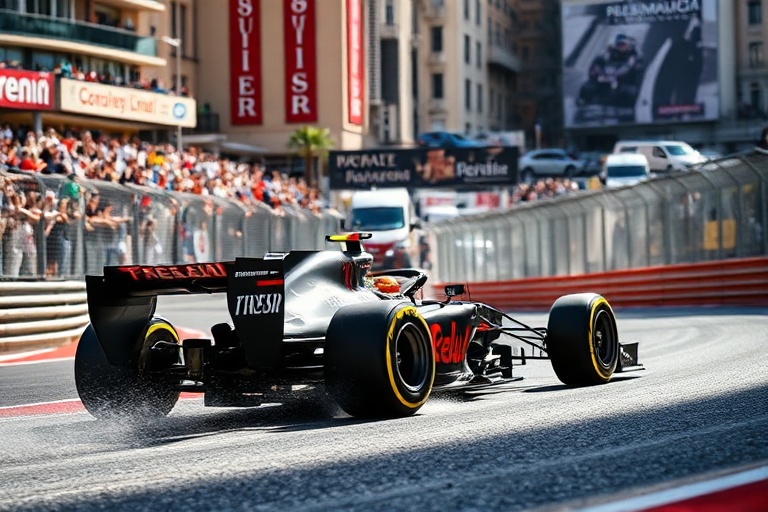
Europe soon became the epicenter of motorsport culture. The creation of the Formula 1 World Championship in 1950 formalized a structured racing ecosystem, where nations competed not just on the track but through engineering prowess. Italy, Germany, and the UK became hubs of technical excellence, producing legendary teams like Ferrari, Mercedes-Benz, and McLaren. This era established racing as a cultural export, with races like the Monaco Grand Prix becoming synonymous with glamour and prestige.
Diversity of Discipline: More Than Just Fast Cars
Racing is not a monolith. It spans multiple disciplines, each with its own rules, vehicles, and fanbases. At its core, racing is about testing limits—whether of human reflexes, mechanical durability, or environmental adaptability.
- Formula Racing: Represented by Formula 1, Formula 2, and Formula E, this category emphasizes open-wheel, high-tech single-seaters. Formula 1, the pinnacle, blends cutting-edge aerodynamics with global spectacle, drawing over 1.5 billion television viewers annually.
- Touring Car Racing: Features production-based cars modified for performance. Events like the World Touring Car Cup emphasize close competition and accessibility, making it a favorite in Europe, Asia, and Australia.
- Endurance Racing: Tests both machine and driver over long distances. The 24 Hours of Le Mans, first held in 1923, remains one of the most grueling tests of reliability and strategy in motorsport.
- Off-Road and Rally Racing: Takes place on unpaved terrain, from deserts in the Middle East to forests in Scandinavia. The World Rally Championship highlights adaptability, with drivers navigating unpredictable conditions.
- Motorcycle Racing: Includes MotoGP, superbike racing, and motocross. MotoGP, with its high-speed corners and daring overtakes, is especially popular in Spain, Italy, and Japan.
- Electric Racing: Formula E has emerged as a forward-looking category, using fully electric cars and urban circuits. It’s not just a sport—it’s a laboratory for sustainable mobility.
Each discipline attracts different audiences. Formula 1 appeals to cosmopolitan fans drawn to luxury and technology. Rally racing resonates with adventurous spirits and rural communities. Electric racing speaks to younger, eco-conscious audiences. This diversity ensures that racing remains relevant across generations and geographies.
Racing as Cultural Mirror: Identity, Nation, and Identity
Racing is more than a sport—it’s a cultural artifact. In Germany, motorsport is intertwined with national pride. Mercedes-Benz and Porsche aren’t just carmakers; they’re symbols of engineering excellence. The Nürburgring, a legendary circuit in the Eifel mountains, is treated almost like a shrine by enthusiasts and engineers alike.
In Japan, racing culture is deeply tied to anime, manga, and video games. The Super Formula series, while niche globally, enjoys massive popularity domestically. Manga series like Initial D romanticize drifting and mountain racing, turning hobbyists into legends. Even Toyota’s dominance in endurance racing (with the GR Supra and Corolla) reflects the country’s blend of precision and pop culture.
Meanwhile, in the United States, racing is fragmented into distinct identities. NASCAR represents Southern working-class culture, with its origins in bootlegging and stock car racing. IndyCar, with its open-wheel tradition, symbolizes Midwestern innovation. Drag racing thrives in the Southwest, where wide-open spaces meet mechanical creativity. Each form carries its own soundtrack, fashion, and rituals—from pit crew chants to victory lane confetti.
In Africa, motorsport is a tool for development. Events like the Africa Eco Race and the Dakar Rally (now hosted in Saudi Arabia but historically African) showcase the continent’s potential as a hub for adventure racing. These races test endurance and ingenuity, often using locally adapted vehicles. They also provide platforms for African drivers and engineers to gain international exposure.
Technology and the Future: The Next Lap
Racing has always been a catalyst for innovation. Disc brakes, semi-automatic transmissions, and aerodynamic wings all debuted in motorsport before becoming mainstream. Today, the industry is racing toward sustainability and digital integration.
Formula 1’s shift to hybrid power units in 2014 marked a turning point. By 2026, the sport will introduce fully sustainable fuels, aiming for net-zero carbon emissions by 2030. This isn’t just greenwashing—it’s a technology transfer pipeline. The same fuels and energy recovery systems developed on F1 cars could power road vehicles within a decade.
Formula E, launched in 2014, has become the proving ground for electric mobility. Its Gen3 cars regenerate energy during braking, a feature now being adopted in consumer EVs. The series also pioneered fan engagement through attack mode and live streaming, setting a new standard for digital spectatorship.
Beyond the track, data and simulation are redefining racing. Teams use AI-driven analytics to predict tire wear, optimize fuel strategies, and even simulate rival drivers’ behavior. Virtual racing, powered by platforms like iRacing and rFactor 2, has grown into a legitimate training ground for real-world drivers. During the COVID-19 pandemic, Formula 1 teams hosted virtual Grand Prix races that drew record online audiences, proving that digital engagement can complement live experiences.
Autonomous racing is also on the horizon. The Roborace series, launched in 2016, pits AI-driven electric cars against each other on real circuits. While not yet a spectator sport, it represents a future where machines compete at the limits of physics—raising ethical and philosophical questions about the role of human drivers.
Conclusion: Why Racing Endures
Racing endures because it captures something fundamental about human nature: the desire to push boundaries. It’s a sport where milliseconds matter, where a single mistake can erase years of preparation. Yet it’s also a community—a global network of drivers, engineers, fans, and dreamers who share a passion for speed and innovation.
From the dusty ovals of Alabama to the futuristic ePrix circuits in Seoul, racing reflects the aspirations and values of societies around the world. It’s a mirror of technological progress, a stage for cultural expression, and a training ground for the next generation of problem-solvers.
As the world turns toward sustainability and digital transformation, racing will continue to lead the way—not just as entertainment, but as a force for change. Whether on four wheels, two wheels, or none at all, the spirit of the race remains unchanged: to go faster, farther, and beyond.
Explore more in Sports or dive into Technology for related insights.