Scotland vs Nepal: Landscapes, Culture and Contrasts
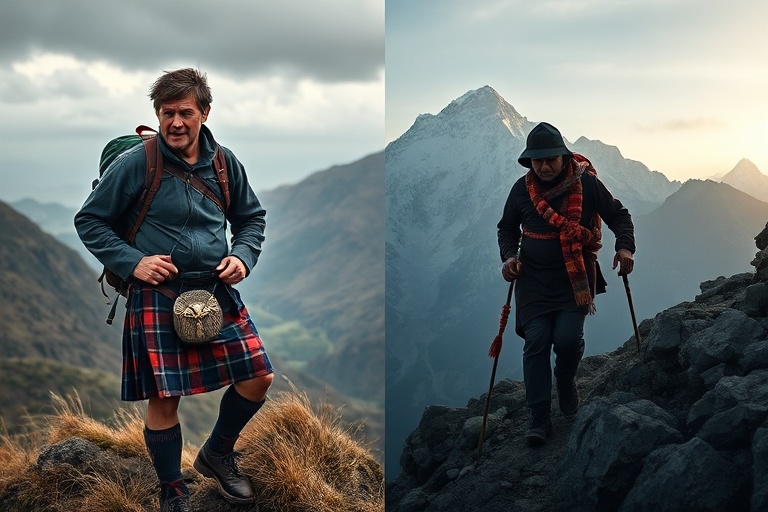
When comparing Scotland and Nepal, two of the world’s most geographically and culturally distinct regions emerge. Scotland, with its rolling green highlands and historic castles, contrasts sharply with Nepal’s towering Himalayan peaks and ancient temples. Yet both destinations captivate travelers with their unique charm, rich traditions, and breathtaking scenery. Beyond tourism, these regions offer distinct perspectives on history, cuisine, and modern identity.
The Geography of Extremes: Highlands and Himalayas
Scotland’s landscape is defined by its dramatic highlands, deep lochs, and rugged coastline. The Highlands stretch across two-thirds of the country, featuring some of Europe’s last true wilderness areas. Ben Nevis, the UK’s highest peak at 1,345 meters, stands as a silent sentinel over the glens and moors. Meanwhile, Loch Ness, with its murky depths and legendary resident, draws millions of visitors annually. The contrast between Scotland’s misty valleys and its urban centers like Edinburgh and Glasgow creates a dynamic visual narrative.
Nepal, on the other hand, is a land of vertical extremes. Home to eight of the world’s ten highest mountains, including Mount Everest at 8,848 meters, Nepal’s topography is dominated by the Himalayas. The country’s elevation ranges from 70 meters in the Terai plains to the roof of the world. Between these extremes lie terraced farmlands, dense jungles, and ancient trade routes that have shaped Nepal’s cultural identity for centuries. The stark contrast between the arid high-altitude deserts of Mustang and the lush subtropical forests of Chitwan National Park underscores Nepal’s geographic diversity.
Both regions face environmental challenges, though their struggles differ in scale and scope. Scotland grapples with coastal erosion and the impacts of climate change on its peatlands, while Nepal contends with glacial melt, deforestation, and the increasing frequency of landslides. These challenges highlight the fragility of even the most resilient landscapes.
Cultural Tapestries: Traditions Woven Through Time
Scotland’s cultural heritage is deeply rooted in its Celtic past and Viking influences. Traditional music, with instruments like the bagpipes and harp, fills the air during Highland games and ceilidhs. Tartan patterns, clan histories, and Gaelic language preservation efforts keep Scotland’s identity alive. The country’s literary legacy includes names like Robert Burns and Sir Walter Scott, whose works continue to define Scottish storytelling.
Nepal’s cultural fabric is equally rich, woven from a blend of Indo-Aryan and Tibeto-Mongolian influences. Hinduism and Buddhism coexist harmoniously, reflected in the temples of Kathmandu Valley and the monasteries of the Himalayas. Festivals such as Dashain and Tihar illuminate the country with lights, music, and communal celebrations. The Newari community, with its intricate woodwork and metal craftsmanship, adds another layer to Nepal’s cultural tapestry. Both Scotland and Nepal have faced the pressures of modernization, yet they continue to celebrate their traditions through festivals, crafts, and oral histories.
One notable difference lies in the role of religion. While Scotland’s religious landscape has shifted toward secularism, Nepal remains deeply spiritual, with over 80% of the population identifying as Hindu. This spiritual connection is evident in daily life, from the ritual offerings at temples to the sacred threads worn by many Nepalese.
Culinary Contrasts: From Haggis to Momo
Scottish cuisine is hearty and rustic, shaped by its climate and geography. Dishes like haggis, neeps and tatties, Cullen skink, and Scotch pies reflect a tradition of making the most of local ingredients. Seafood plays a prominent role, with smoked salmon and Arbroath smokies celebrated across the country. Whisky, Scotland’s liquid gold, is distilled in over 140 distilleries and enjoys global acclaim.
- Haggis: A savory pudding made from sheep’s offal, oats, and spices, traditionally cooked in a sheep’s stomach.
- Cullen skink: A creamy smoked haddock soup originating from the coastal town of Cullen.
- Shortbread: A buttery, crumbly biscuit that has become synonymous with Scottish hospitality.
- Cranachan: A dessert combining raspberries, whipped cream, honey, and toasted oats.
Nepalese cuisine, meanwhile, is a vibrant mix of flavors influenced by its geography and trade routes. Dal bhat, a lentil soup served with rice and vegetables, is a staple eaten twice daily by many Nepalese. Momos, steamed or fried dumplings filled with meat or vegetables, are a beloved street food. Spices like cumin, coriander, and turmeric add depth to dishes such as thukpa, a noodle soup from the Himalayan regions. The Newari cuisine of the Kathmandu Valley offers rich, fermented flavors in dishes like bara and choila.
Both culinary traditions emphasize communal dining and the use of fresh, local ingredients. However, while Scottish food often leans toward preservation techniques like smoking and salting, Nepali cuisine favors freshness and bold spice combinations. These differences reflect the climates and historical trade patterns of each region.
Modern Identities: Between Tradition and Progress
Scotland’s relationship with modernity is complex. The country has embraced its cultural identity while pursuing economic diversification. Industries like renewable energy, technology, and finance have grown significantly in cities like Glasgow and Aberdeen. The Scottish government’s push for independence has also fueled debates about national identity and sovereignty. Meanwhile, Scotland’s education system, with institutions like the University of Edinburgh and the University of St Andrews, remains a global draw.
Nepal, one of the least developed countries in the world, faces different challenges. Political instability, limited infrastructure, and reliance on agriculture characterize its modern landscape. However, tourism remains a vital economic driver, with trekking, cultural tours, and adventure sports attracting visitors from around the globe. The country’s recent federal restructuring aims to improve governance and resource distribution. Despite these challenges, Nepal’s youth are increasingly turning to entrepreneurship, particularly in tech and sustainable tourism.
Both regions are also grappling with the impacts of globalization. In Scotland, traditional industries like fishing and whisky production are adapting to changing markets and environmental regulations. In Nepal, globalization has brought both opportunities and threats, from the rise of trekking tourism to the erosion of indigenous languages and crafts. Yet, in both places, there is a renewed interest in preserving cultural heritage, whether through language revitalization programs or the promotion of traditional crafts.
Why These Destinations Matter
Scotland and Nepal offer more than just postcard-perfect scenery. They are living museums of human resilience, creativity, and adaptability. Scotland’s blend of ancient history and modern innovation demonstrates how tradition and progress can coexist. Nepal’s ability to maintain its spiritual and cultural identity amid rapid change is a testament to the power of community and shared values.
For travelers, these destinations provide opportunities to step outside comfort zones. Whether it’s hiking in the Scottish Highlands, trekking to Everest Base Camp, or exploring the temples of Bhaktapur, each experience offers a chance to connect with the land and its people. Both regions also prioritize sustainable tourism, encouraging visitors to minimize their environmental impact and support local communities.
For those interested in deeper exploration, Dave’s Locker Travel section offers insights into planning trips to both destinations. Whether you’re drawn to Scotland’s castles or Nepal’s monasteries, preparation is key to making the most of your journey.
Ultimately, Scotland and Nepal remind us that diversity is not just about geography but about the stories we tell, the food we eat, and the landscapes we call home. By understanding these regions beyond stereotypes, we gain a richer appreciation for the world’s many cultures and histories.