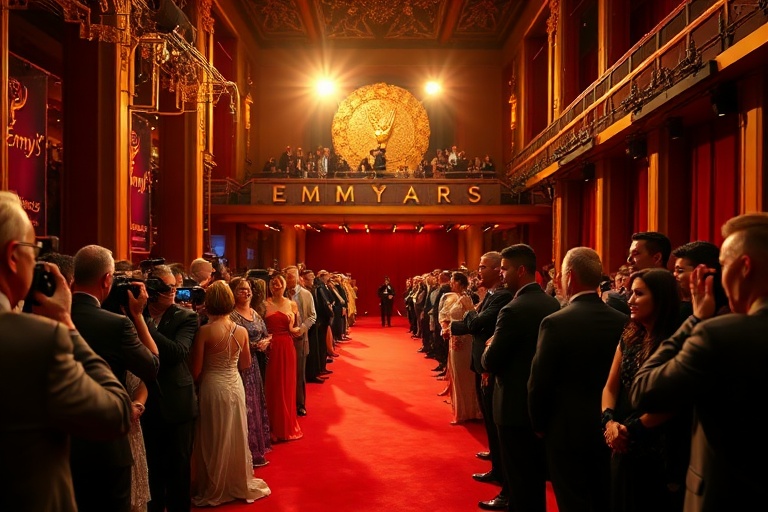
The Emmy Awards stand as the pinnacle of recognition in the television industry, honoring the best in programming across drama, comedy, and variety shows. Unlike other entertainment awards, the Emmys focus exclusively on television, making them a unique benchmark for quality and innovation in the medium.
The History and Evolution of the Emmys
First presented in 1949, the Emmys were created to recognize excellence in the early days of television. The original ceremony honored just six categories, but over time, the awards expanded to reflect the growing complexity and diversity of television. Today, the Emmys include over 90 categories, spanning primetime, daytime, sports, news, and documentary programming.
The National Academy of Television Arts & Sciences (NATAS) and the Academy of Television Arts & Sciences (ATAS) oversee different branches of the awards. Primetime Emmys, the most widely recognized, are awarded by ATAS, while NATAS handles daytime, sports, and news categories. This division ensures that all facets of television are represented.
Key Milestones in Emmy History
- 1950s: The first color broadcast Emmy was awarded in 1956, reflecting the industry’s shift toward color television.
- 1960s: The Emmys began televising the ceremony in 1959, making it more accessible to a wider audience.
- 1980s: Cable networks like HBO and CNN started receiving Emmy nominations, expanding the awards’ scope beyond traditional broadcast TV.
- 2000s: The rise of streaming platforms like Netflix and Amazon Prime led to new categories recognizing digital content.
- 2020s: The Emmys introduced a category for short-form series, acknowledging the growing influence of platforms like YouTube and TikTok.
The Impact of the Emmys on the Television Industry
Winning an Emmy can significantly boost a show’s reputation and longevity. A single award can attract new viewers, renew interest in ongoing series, and even revive canceled programs. For example, Ted Lasso saw a surge in popularity after its Emmy wins, demonstrating how the awards can extend a show’s cultural relevance.
Beyond individual shows, the Emmys influence industry trends. Winning an Emmy often leads to increased budgets, higher salaries for cast and crew, and greater creative freedom for writers and directors. Networks and streaming services invest heavily in Emmy-contending projects, knowing that critical acclaim can translate into financial success.
The Emmys also play a role in shaping audience expectations. Shows that win major awards often become benchmarks for quality, setting new standards for storytelling, production, and acting. This pressure to excel drives innovation across the industry, from cinematography to visual effects.
The Business of Winning an Emmy
Securing an Emmy nomination is a costly endeavor. Studios and networks spend millions on campaigns to promote their shows, from expensive screeners sent to voters to lavish after-parties. These efforts can be just as competitive as the awards themselves, with campaigns often lasting months.
The voting process itself is rigorous. Nominees are selected by peer groups within the television industry, ensuring that only the most respected professionals have a say in the final decisions. This system helps maintain the Emmys’ credibility but also makes the competition even more intense.
Controversies and Criticisms Surrounding the Emmys
Despite its prestige, the Emmys have faced criticism over the years. One common complaint is the lack of diversity among nominees and winners. In 2020, the Emmys were criticized for predominantly recognizing white creators and actors, leading to calls for greater inclusion in the industry.
Another issue is the sheer number of categories, which some argue dilutes the significance of the awards. With over 90 categories, winning an Emmy can sometimes feel more like a matter of chance than true recognition of excellence. This has led to debates about whether the Emmys should be streamlined to focus on only the most prestigious awards.
The voting process has also come under scrutiny. Some industry insiders argue that the peer-based system favors established names over emerging talent. This can make it difficult for new shows and creators to break into the awards’ circle, perpetuating a cycle of recognition for the same few players.
Efforts Toward Inclusivity
In recent years, the Emmys have taken steps to address these concerns. The academy has expanded its membership to include more diverse voices, and new initiatives aim to recognize underrepresented talent. For example, the Emmys now have a dedicated category for outstanding character actor in a drama series, which has helped highlight more diverse performances.
Additionally, the Emmys have partnered with organizations like the Television Academy Foundation to provide mentorship and resources to emerging creators from marginalized communities. These efforts are slowly beginning to shift the landscape, though critics argue that more needs to be done.
The Future of the Emmys in a Changing Television Landscape
The television industry is undergoing rapid transformation, driven by the rise of streaming platforms and changing viewer habits. The Emmys are adapting to these changes, introducing new categories to reflect the evolving nature of television. For example, the Emmys now honor outstanding scripted and unscripted series on streaming platforms, acknowledging the growing influence of digital content.
However, the future of the Emmys is not without challenges. As traditional television viewership declines, the relevance of the Emmys may be called into question. Will the awards continue to hold the same prestige in a world where audiences are increasingly turning to on-demand content? The Emmys must evolve to remain a meaningful benchmark for excellence in television.
One potential solution is to further integrate digital and traditional categories, ensuring that all forms of television are represented. Another is to focus more on storytelling and innovation, rather than just production values. By doing so, the Emmys can continue to celebrate the best in television, regardless of the platform.
The Emmys remain a vital part of the television industry, celebrating the artistry and craftsmanship that define great programming. While they face challenges, their ability to adapt and evolve will determine their future relevance. As television continues to change, the Emmys must do the same, ensuring that they remain a beacon of excellence for years to come.
For those interested in exploring more about the television industry and its awards, check out Dave’s Locker’s Entertainment section for in-depth coverage of television trends and analysis.