The Enduring Legacy of the Mixtape: More Than Just Music
The mixtape is more than a collection of songs—it’s a cultural artifact, a personal statement, and a relic of an era when sharing music required effort, intention, and sometimes even a little risk. Long before streaming services dominated how we consume music, mixtapes were the primary way people curated and shared their favorite tracks. They carried emotional weight, served as gifts, and even acted as a form of self-expression that couldn’t be replicated by a shuffle algorithm.
The tradition of the mixtape stretches back decades, evolving from cassette tapes in the 1970s and 1980s to digital playlists today. But even as technology has changed, the spirit of the mixtape endures. It represents curation over consumption, thoughtfulness over algorithms, and a human touch in an increasingly automated world. Let’s explore what makes the mixtape so enduring and why it still matters in the digital age.
The Birth of the Mixtape: A Cultural Revolution
The mixtape as we know it today began to take shape in the 1970s and 1980s, fueled by the rise of the cassette tape and the boom of hip-hop culture. Mixtapes were often homemade, recorded from the radio or from other tapes, and shared among friends, lovers, or communities. They weren’t just about music—they were about connection. A mixtape could introduce someone to an artist, commemorate a special moment, or even serve as a form of courtship.
Hip-hop artists, in particular, used mixtapes as a way to bypass traditional record labels and reach fans directly. In the 1980s and 1990s, DJs like Kool Herc and Afrika Bambaataa would record and distribute their own mixtapes, helping to spread the culture of hip-hop beyond its Bronx origins. These tapes weren’t just promotional tools; they were cultural documents that captured the energy and creativity of a movement.
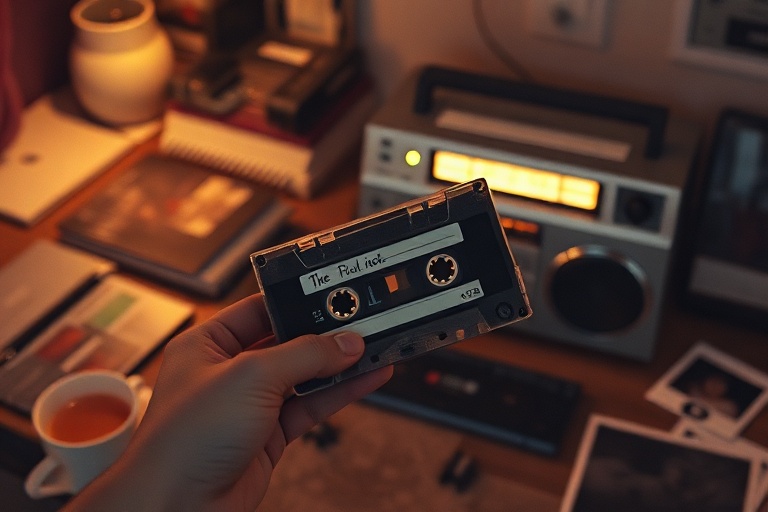
By the 1990s, mixtapes had become a staple in youth culture. They were sold at barbershops, swapped at school, and given as gifts for birthdays or holidays. The act of creating a mixtape was almost ritualistic—selecting the right tracks, arranging them in a meaningful order, and designing a cover that reflected the mood or message. It was a labor of love, and that effort made the experience of listening to a mixtape so much richer than pressing play on a streaming playlist.
The Anatomy of a Mixtape: Why It Still Matters
What sets a mixtape apart from a modern playlist isn’t just the format—it’s the intention behind it. A mixtape is curated with purpose. The creator doesn’t just hit shuffle and call it a day; they think carefully about the sequence of songs, the transitions, and the emotional arc they want to create. This is something that algorithm-driven playlists struggle to replicate. A mixtape tells a story, whether it’s a love story, a journey through a specific genre, or a soundtrack for a road trip.
Another key element of the mixtape is its physicality. Even in the digital age, the idea of a tangible mixtape—whether it’s a USB drive, a burned CD, or a handwritten cover—adds a layer of intimacy. There’s something special about handing someone a mixtape and knowing they’ll experience it exactly as you intended. In contrast, sending a Spotify playlist link feels ephemeral, easily forgotten or ignored.
Mixtapes also serve as a time capsule. They preserve a moment in time, whether it’s the music that defined a summer, the songs that got a couple through a tough breakup, or the tracks that marked a personal milestone. Unlike streaming playlists, which can be endlessly edited or deleted, a mixtape is a fixed artifact. It holds memories in a way that no algorithm ever could.
From Cassettes to the Cloud: The Evolution of the Mixtape
The mixtape has evolved alongside technology, but its core principles remain the same. When CDs became popular in the 1990s, people started making “CD mixtapes,” burning compilations of their favorite songs onto discs. Then came the digital revolution, and mixtapes moved online. Websites like MySpace and later platforms like DatPiff allowed artists and fans to share mixtapes digitally, democratizing the format even further.
Today, mixtapes are often synonymous with hip-hop culture, where artists like Drake, Kendrick Lamar, and A$AP Rocky have released mixtapes as a way to showcase their talent before signing to major labels. These digital mixtapes are often free downloads, packed with exclusives and deep cuts that don’t appear on their studio albums. They’re a way for artists to connect with fans on a more personal level and build hype for their next project.
But the mixtape spirit isn’t limited to music. The concept has inspired other forms of curation, from curated movie lists on IMDb to themed book recommendations on Goodreads. The idea of sharing something personal and intentional transcends the medium. Even in gaming, players create “mixtape” playlists of their favorite tracks from a specific game or genre, sharing them with the community as a form of tribute.
The Enduring Legacy of the Mixtape
In an age where algorithms dictate what we listen to, the mixtape stands as a reminder of the power of human curation. It’s a testament to the idea that music isn’t just background noise—it’s a way to connect, to remember, and to express ourselves. Whether it’s a handmade cassette from the 1980s or a digital mixtape shared on Instagram, the format carries a legacy that’s hard to replicate.
For younger generations, the mixtape might seem like a relic of the past, but its influence is everywhere. Playlist culture is a direct descendant of the mixtape, and the desire to share music in a meaningful way hasn’t disappeared—it’s just found new forms. The next time you create a playlist for a friend or a loved one, think of it as a modern mixtape. Take the time to curate it with intention, and you’ll be carrying on a tradition that’s been shaping culture for decades.
If you’re looking to dive deeper into the world of curated music or explore how mixtapes have influenced modern playlists, check out our Music and Culture sections on Dave’s Locker. Whether you’re a nostalgic audiophile or a digital native, there’s always more to discover in the world of mixtapes.
The mixtape may have changed over the years, but its essence remains the same: a gift of sound, shared with love and intention. And in a world where music is often consumed passively, that’s a tradition worth preserving.