Ascension Day Traditions: Global Christian Celebrations Explored
Ascension Day, observed 40 days after Easter, marks the Christian celebration of Jesus Christ’s ascent into heaven. While rooted in religious tradition, this observance has evolved across cultures, taking on unique meanings and customs worldwide. From solemn church services in Europe to vibrant festivals in Latin America, Ascension Day reflects the intersection of faith, history, and community.
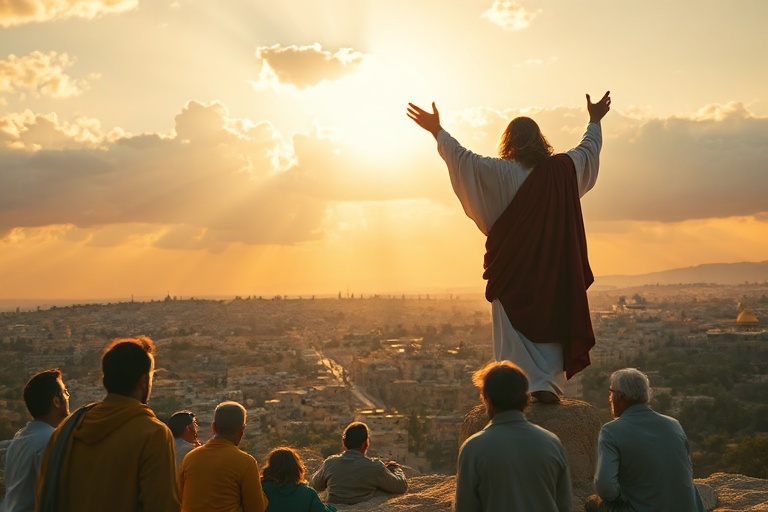
The event is biblically based on the New Testament’s account of Jesus’ final moments with his disciples before his ascension. According to Luke 24:50-53 and Acts 1:6-11, Jesus led his followers to the Mount of Olives, blessed them, and then was lifted into the sky until a cloud obscured him from view. This moment is seen as the completion of Christ’s earthly ministry and the beginning of the church’s mission.
Theological Foundations and Observances
In Western Christianity, Ascension Day is a fixed feast day, always falling on the 40th day of Easter, which is a Thursday. The date varies each year depending on the lunar-based Easter calculation. Eastern Orthodox churches, which follow the Julian calendar, observe Ascension Day separately, typically 40 days after Orthodox Easter.
Traditional observances include:
- Church services featuring readings from Acts 1:1-11 and Luke 24:46-53
- Processions that sometimes reenact Jesus’ ascent
- Blessing of first fruits in some agricultural communities
- Forty hours of prayer between Ascension Day and Pentecost
In many Catholic and Anglican traditions, the period between Ascension and Pentececost is marked by special devotions, with Ascension Day serving as the bridge between Easter’s resurrection celebration and Pentecost’s outpouring of the Holy Spirit.
Cultural Variations Across the Globe
While Ascension Day remains primarily a Christian observance, its expression varies dramatically across different cultures and countries.
Europe: Between Tradition and Modernity
In Germany, where Ascension Day is known as Christi Himmelfahrt, the holiday has evolved into a public day off with unique traditions. The most notable is the “Father’s Day” celebration, where groups of men embark on hiking trips or pub crawls, often pulling decorated wagons filled with beer and snacks. This secularization of a religious holiday reflects Germany’s post-war transformation.
In the Netherlands, the day is marked by the Hemelvaartsdag pilgrimage to the village of Urk, where believers gather to commemorate the event with special church services and community events. The Dutch tradition maintains stronger religious ties than its German counterpart.
Latin America: Vibrant Celebrations and Local Traditions
In many Latin American countries, Ascension Day blends Catholic traditions with indigenous customs. In Mexico, Día de la Ascensión is often celebrated with processions, fireworks, and communal meals. Some communities incorporate pre-Hispanic elements, particularly in regions with strong indigenous identities.
In Brazil, the day is marked by cultural festivals that showcase both religious devotion and local music traditions. The northeastern state of Bahia, with its rich Afro-Brazilian heritage, sees particularly vibrant celebrations that mix Catholic and Candomblé elements.
Africa: Syncretism and Community Gatherings
Africa’s diverse Christian communities have developed unique ways of celebrating Ascension Day. In Ethiopia, where the Ethiopian Orthodox Tewahedo Church follows its own calendar, the celebration includes fasting, prayer, and colorful processions with traditional clothing and music.
In South Africa, Ascension Day is observed with interdenominational services that bring together different Christian traditions. The day often features gospel music performances and community outreach programs, reflecting the country’s emphasis on reconciliation and unity.
Secular Observances and Modern Interpretations
As societies become more secular, Ascension Day has taken on new meanings beyond its religious origins. In some European countries, it has become an opportunity for outdoor activities and family gatherings. The long weekend it creates in many nations is often used for short trips or recreational pursuits.
Some contemporary interpretations focus on the symbolic aspects of ascension:
- Personal Growth: Many find inspiration in the idea of rising above challenges or limitations, applying the concept metaphorically to personal development.
- Community Ascension: In some contexts, the day is used to celebrate collective progress or achievements of a community or society.
- Environmental Connection: A few modern spiritual movements connect the ascension story with humanity’s relationship to the natural world, seeing it as a call to stewardship.
In academic and literary circles, Ascension Day has inspired works that explore themes of transcendence and human potential. Some philosophers and theologians use the occasion to discuss the intersection of science and spirituality, particularly regarding concepts of space, infinity, and human consciousness.
Ascension Day in Art and Popular Culture
The ascension has been a popular subject in Christian art for centuries. Renaissance painters like Rembrandt and Titian created dramatic depictions of the event, often using clouds and angels to convey the divine nature of the moment. These artworks not only served religious purposes but also reflected the artistic and cultural values of their time.
In contemporary culture, references to Ascension Day appear in various forms:
- Film and television often use ascension imagery metaphorically, such as in sci-fi narratives about human evolution or technological transcendence
- Music festivals in some regions coincide with the holiday weekend, creating a blend of spiritual and secular celebration
- Literary works sometimes use the ascension as a motif for characters achieving enlightenment or escaping earthly bonds
The day also features in popular entertainment through films and series that explore themes of redemption, transformation, and spiritual awakening. While these portrayals often diverge from traditional Christian interpretations, they demonstrate the enduring cultural resonance of ascension imagery.
Looking Ahead: The Future of Ascension Day Observances
As global Christianity continues to evolve, so too will the observance of Ascension Day. Several trends are shaping its future:
- Digital Worship: Online services and virtual prayer gatherings have expanded access to Ascension Day observances, particularly for those unable to attend traditional services.
- Interfaith Dialogue: Some communities are exploring connections between Christian ascension traditions and similar concepts in other religions, such as the Jewish Merkabah mysticism or Islamic Mi’raj narratives.
- Youth Engagement: New approaches to religious education are seeking to make the story of Ascension relevant to younger generations through multimedia presentations and experiential learning.
- Environmental Focus: Some contemporary theologians are reinterpreting the ascension as a call to care for the earth, seeing Christ’s departure as an invitation for humans to take up responsibility for creation.
Regardless of how these traditions evolve, Ascension Day remains a powerful reminder of the enduring human search for meaning, connection, and transcendence. Whether observed through centuries-old rituals or modern reinterpretations, the day continues to inspire reflection on what it means to rise above, whether spiritually, intellectually, or emotionally.
As societies become increasingly diverse and interconnected, Ascension Day may serve as a bridge between different faith traditions and cultural expressions. Its themes of departure, hope, and new beginnings resonate across boundaries, offering opportunities for dialogue and shared understanding in an often fragmented world.
For those who observe it religiously, Ascension Day remains a cornerstone of Christian faith. For others, it serves as a moment of cultural connection or personal reflection. Whatever form it takes, this ancient observance continues to ascend in significance across the globe.