City Games: How Urban Play Shapes Culture and Community
The Rise of City Games: How Urban Spaces Are Shaping Global Play
The city game is more than just a pastime—it’s a reflection of urban life, culture, and community. From pickup basketball in Rio to soccer matches in Mumbai’s crowded streets, these games thrive in the cracks and corners of metropolitan landscapes. They are spontaneous, social, and deeply tied to the rhythms of city living. Unlike traditional sports played in stadiums or gyms, city games are raw, unfiltered, and often improvised, mirroring the unpredictability of urban environments.
Globally, these games serve as both entertainment and social glue. They break down barriers, fostering connections between strangers who might otherwise never interact. In dense cities where space is limited, the streets, parks, and even parking lots become arenas for play. The rules are flexible, the teams shift constantly, and the stakes are low—but the rewards are high in terms of camaraderie and local pride.
The Evolution of Urban Play
The concept of city games isn’t new, but its modern incarnation has evolved with urbanization. Historically, street games were born out of necessity—children and adults alike made do with whatever space and equipment they had. Today, city games have been formalized in some ways, with organizations hosting tournaments in public spaces, yet they retain their grassroots essence. The rise of social media has further amplified their visibility, turning local matches into viral sensations overnight.
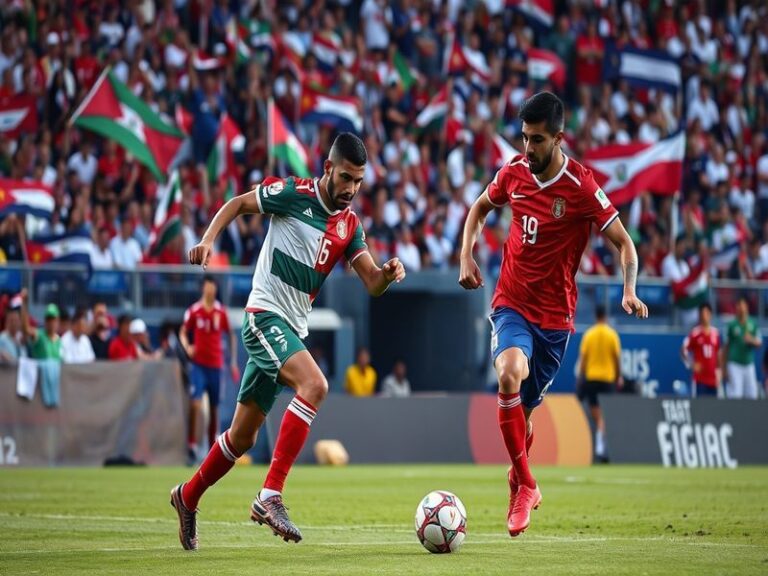
In places like Lagos, street football isn’t just a game; it’s a cultural institution. The sport is played in makeshift pitches, often with a ball made from plastic bags and tape. The creativity required to adapt to limited resources has produced some of the world’s most skilled players, many of whom go on to professional careers. Similarly, in Tokyo, urban parks host baseball and cricket matches that blend tradition with modern influences, drawing players from diverse backgrounds.
The globalization of city games has also led to hybrid forms. Urban sports like parkour, skateboarding, and freestyle football have roots in street culture but have gained international followings. These games challenge conventional notions of athleticism and competition, emphasizing style, creativity, and self-expression over rigid structures. Cities like Berlin and Barcelona have become hubs for these movements, where public spaces are reclaimed for play and artistic expression.
Cultural Significance and Social Impact
City games are deeply intertwined with the identity of a place. They reflect the values, struggles, and aspirations of the communities that play them. In Rio de Janeiro, for example, soccer is a language that transcends class and race. The favelas’ futebol de várzea—informal street soccer—has produced legends like Ronaldo and Ronaldinho, proving that talent can emerge from the most unlikely places. These games are not just about winning; they’re about survival, hope, and the sheer joy of playing.
In contrast, cities like New York have turned urban games into a form of activism. Programs like Street Soccer USA use the sport to engage at-risk youth, providing mentorship and opportunities beyond the field. The games become a tool for social change, teaching discipline, teamwork, and resilience. Similarly, in Cape Town, skateboarding has become a way to reclaim public spaces that were once divided by apartheid, uniting diverse groups through a shared passion.
The social impact of city games extends to mental health as well. Studies have shown that regular physical activity in urban settings reduces stress and fosters a sense of belonging. For many, these games are a lifeline—a way to escape the isolation of city life and connect with others. The act of playing in public spaces also challenges the privatization of leisure, reminding people that cities belong to everyone.
Challenges and the Future of City Games
Despite their benefits, city games face persistent challenges. Gentrification and urban development often lead to the loss of public spaces where these games are played. Parks are repurposed into luxury condos, and streets are redesigned for cars rather than people. In cities like London and San Francisco, community-led movements have emerged to protect these spaces, arguing that play is a fundamental right, not a privilege.
Another challenge is the commercialization of urban games. While sponsorships and media coverage can bring visibility, they also risk diluting the authenticity that makes city games special. When a street soccer match becomes a corporate-sponsored event, does it lose its soul? The tension between grassroots culture and commercial interests is a recurring theme in the evolution of these games.
Looking ahead, the future of city games may lie in their adaptability. As cities become more crowded and resources more scarce, the creativity required to play will only grow. New technologies, like augmented reality, could redefine urban play, blending digital and physical experiences. Meanwhile, initiatives that prioritize accessibility—such as providing free equipment or designing inclusive public spaces—will ensure that city games remain a vital part of urban life.
The city game is a testament to the resilience of human creativity and community. It thrives where formal sports facilities cannot, in the cracks of sidewalks and the corners of parks. Whether it’s a game of cricket in Mumbai or a pickup basketball match in Chicago, these games are a reminder that play is not just for children or athletes—it’s for everyone. As cities continue to evolve, so too will the ways we play, adapt, and connect in them.
Key Takeaways
- City games are spontaneous, social, and deeply tied to urban life.
- They serve as cultural expressions and tools for social change.
- Challenges like gentrification and commercialization threaten their existence.
- The future of city games may involve technology and greater accessibility.
Where to Experience City Games
For those looking to dive into urban play, cities around the world offer unique opportunities:
- Rio de Janeiro, Brazil: Watch or join a game of futebol de várzea in the favelas.
- Tokyo, Japan: Experience baseball and cricket in public parks like Yoyogi.
- Berlin, Germany: Join a skateboarding or parkour session in Mauerpark.
- Cape Town, South Africa: Explore skate parks that double as community hubs.
- New York City, USA: Participate in street soccer tournaments organized by local NGOs.
Whether you’re a player or a spectator, city games offer a glimpse into the heart of urban culture—one match at a time.