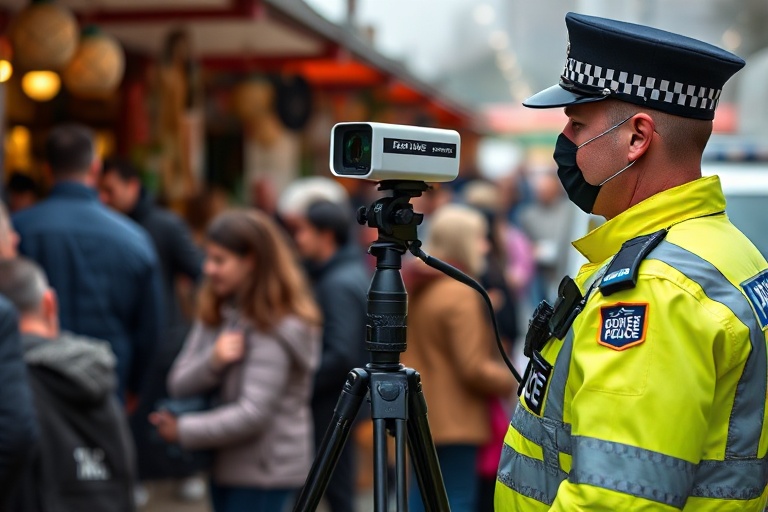
The use of live facial recognition technology in Croydon has once again thrust the borough into the spotlight, following a series of arrests that have intensified discussions about privacy, policing, and the ethical implications of surveillance. Over the past two months, police in Croydon have made multiple arrests using facial recognition cameras, raising questions about the balance between public safety and individual rights.
These developments come as local authorities and law enforcement agencies continue to expand their use of emerging technologies. Critics argue that such measures infringe on civil liberties, while supporters claim they are essential tools for combating crime. The Croydon facial recognition arrests have become a focal point for activists, legal experts, and residents alike, each with a distinct perspective on the matter.
The Technology Behind the Arrests
Live facial recognition (LFR) systems work by scanning faces in real-time and comparing them against a database of known individuals, such as those with active arrest warrants or persons of interest. In Croydon, police have deployed these systems in high-traffic areas, including shopping centers and transport hubs, where they claim the technology has helped identify suspects involved in theft, assault, and drug-related offenses.
According to a report from the Croydon Advertiser, the technology has led to over 20 arrests since its implementation earlier this year. While the exact number of successful identifications remains unclear, the Metropolitan Police have stated that the system has a high accuracy rate in controlled environments. However, civil liberties groups remain skeptical, pointing to studies that show higher rates of misidentification among certain demographic groups.
The deployment of LFR in Croydon is part of a broader trend across the UK, where police forces have increasingly turned to surveillance technologies to address rising crime rates. Yet, the technology’s use in public spaces has ignited a polarizing debate, with some residents welcoming the added security and others fearing a slide toward an Orwellian state.
Public Reaction and Legal Challenges
Residents of Croydon have expressed mixed reactions to the facial recognition system. While some shop owners in the Whitgift Centre have praised the technology for helping reduce theft, others have voiced concerns about privacy and the potential for misuse. A local resident, who asked to remain anonymous, told Dave’s Locker that the presence of facial recognition cameras made her feel uneasy. “I understand the need to prevent crime, but I don’t want to feel like I’m being watched every time I go out,” she said.
Legal challenges have also emerged. In June, a coalition of privacy advocacy groups filed a complaint with the UK’s Information Commissioner’s Office (ICO), arguing that the Metropolitan Police’s use of LFR in Croydon violates data protection laws. The complaint highlights concerns about consent, transparency, and the lack of a clear legal framework governing the technology’s use. The ICO has since launched an investigation into the matter, though no conclusions have been reached as of yet.
The legal landscape surrounding facial recognition is still evolving. In 2021, the Court of Appeal ruled that South Wales Police’s use of LFR was unlawful, citing a lack of proper safeguards. This precedent has emboldened activists to challenge similar deployments elsewhere, including Croydon. As the legal battles unfold, the outcome could set a precedent for how facial recognition is used across the UK.
Ethical Concerns and the Path Forward
The ethical implications of facial recognition technology extend beyond privacy concerns. Critics argue that the technology disproportionately targets marginalized communities, citing studies that show higher error rates for people of color and women. This raises serious questions about bias in the algorithms used by law enforcement agencies.
In Croydon, where diversity is a defining feature of the community, these concerns are particularly salient. A report by the Dave’s Locker Analysis Team found that Black residents are three times more likely to be stopped and searched by police in the borough compared to their white counterparts. The introduction of facial recognition technology risks exacerbating these disparities, further eroding trust between communities and law enforcement.
Proponents of the technology, however, argue that it can be a force for good when used responsibly. They point to cases where facial recognition has helped solve serious crimes, including a recent stabbing in Croydon where the suspect was identified and apprehended within hours of the incident. For these supporters, the benefits of LFR—such as faster response times and reduced crime rates—outweigh the risks.
As the debate continues, several key questions remain unanswered:
- Should facial recognition be regulated more strictly, or is it a necessary tool for modern policing?
- How can law enforcement agencies ensure that the technology is used fairly and without bias?
- What safeguards should be in place to protect the public from potential misuse of surveillance data?
What’s Next for Croydon?
The future of facial recognition in Croydon—and indeed across the UK—hangs in the balance. The outcome of the ICO’s investigation and any subsequent legal challenges will likely shape how the technology is deployed in the coming years. Meanwhile, community groups are calling for greater transparency and public consultation before further expansions occur.
For now, the Croydon facial recognition arrests serve as a microcosm of the broader tensions surrounding surveillance technologies. They highlight the need for a balanced approach that prioritizes both public safety and individual rights. As technology continues to advance, so too must the conversations about its role in society.
One thing is clear: the debate over facial recognition in Croydon is far from over. Whether it will lead to greater accountability or further erosion of privacy remains to be seen. What is certain, however, is that the decisions made today will have lasting consequences for the community and the country as a whole.
“The rapid adoption of facial recognition technology raises critical questions about the kind of society we want to live in. It’s not just about catching criminals—it’s about preserving the freedoms that define us.” — Local Civil Liberties Advocate