czechia
What’s in a Name? The Rise of Czechia as a Brand
The Czech Republic’s official short-form name, Czechia, has quietly become a cornerstone of the country’s modern identity. Adopted by the government in 2016, the name isn’t just a linguistic shift—it’s a strategic rebranding effort to streamline tourism, trade, and national branding. While outsiders often default to “Czech Republic” or simply “Czech,” Czechia offers a concise, internationally recognizable alternative that aligns with naming conventions of other European nations like Germany or France.
This rebranding came with challenges. Public skepticism initially greeted the change, with some citizens viewing it as an unnecessary alteration to a well-established identity. Yet, over time, Czechia has gained traction. The name now appears on official documents, maps, and even sporting jerseys. Its adoption reflects a broader trend among nations to modernize their global presence while preserving cultural heritage.
The shift also underscores the country’s ambition to position itself as more than just a stop on the backpacker trail. From automotive manufacturing to tech startups, Czechia is carving out a niche as a dynamic European player. The name serves as a blank canvas, inviting the world to see beyond Prague’s medieval spires and Kafkaesque alleyways.
The Economic Engine: More Than Beer and Castles
Czechia’s economy is a study in contrasts. It boasts one of the highest GDP per capita levels in Central Europe, yet its industrial backbone remains rooted in traditions like brewing and glassmaking. However, the country’s economic narrative has evolved. Today, sectors like automotive, aerospace, and IT are driving growth, with global companies like Škoda Auto and Avast establishing Czechia as a hub for innovation.
The automotive industry alone accounts for nearly 20% of the country’s industrial output. Czechia produces over a million cars annually, many of which are exported to Western Europe and beyond. This manufacturing prowess has attracted foreign investment, particularly from Germany and South Korea, further solidifying the country’s role in global supply chains.
Yet, challenges persist. Wage disparities between urban centers like Prague and Brno and rural areas remain stark. The country also faces demographic pressures, with an aging population and outward migration of skilled workers. Addressing these issues will be critical as Czechia seeks to transition from an emerging economy to a fully developed one.
Key Sectors Fueling Czechia’s Growth
- Automotive Manufacturing: Home to major plants for Škoda, Hyundai, and Toyota, Czechia is a key player in Europe’s auto industry.
- Information Technology: The country has emerged as a regional leader in cybersecurity and software development, with companies like Avast and GoodData leading the charge.
- Aerospace: Czechia’s aerospace sector is growing, with firms like Aero Vodochody supplying components to global aircraft manufacturers.
- Renewable Energy: Wind and solar power are gaining traction, though the country still relies heavily on coal for electricity.
Culture and Identity: Preserving the Past While Embracing the Future
Czechia’s cultural identity is a tapestry woven from centuries of history, literature, and art. The country gave the world Franz Kafka, Milan Kundera, and Alfons Mucha, yet its cultural narrative often gets overshadowed by its Central European neighbors. The rebranding to Czechia is part of an effort to reclaim and redefine that narrative on a global stage.
Traditional festivals, such as the annual Beskydy Folk Festival and the Prague Spring International Music Festival, celebrate this heritage. Meanwhile, contemporary Czech cinema, led by directors like Jan Hřebejk and Ondřej Havelka, continues to push boundaries. The country’s thriving music scene, from classical to underground electronic, reflects its ability to blend tradition with modernity.
Yet, Czechia’s identity is also shaped by its complex 20th-century history. The Velvet Revolution of 1989, which peacefully overthrew communist rule, remains a defining moment. The legacy of this transition is evident in the country’s political stability and democratic institutions, which set it apart in a region still grappling with authoritarianism.
Tourism: Beyond the Clichés of Prague and Castles
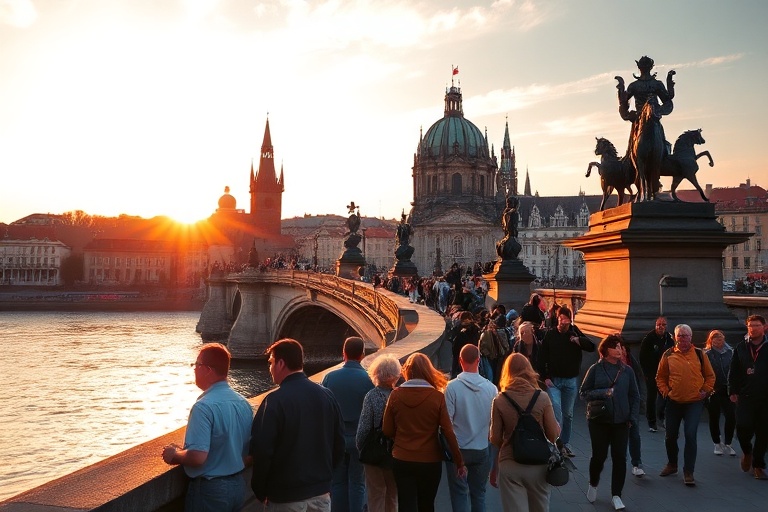
When travelers think of Czechia, images of Prague’s Charles Bridge and Český Krumlov’s fairy-tale old town often come to mind. While these destinations are undeniably iconic, they represent only a fraction of what the country has to offer. Czechia’s lesser-known regions are where its true character shines through.
The Bohemian Switzerland National Park, with its dramatic sandstone formations, offers hiking trails that rival those in Switzerland’s namesake park. The Moravian wine region, home to over 900 vineyards, is a paradise for oenophiles seeking crisp white wines and rustic cellar tours. Meanwhile, the Šumava Mountains provide a rugged escape for nature lovers, with dense forests and pristine lakes.
Tourism authorities are increasingly promoting these off-the-beaten-path destinations to alleviate overcrowding in Prague and distribute economic benefits more evenly. Initiatives like the Czech Republic’s Heritage Sites program aim to highlight the country’s UNESCO-listed treasures, from the historic town of Telč to the spa town of Karlovy Vary.
Underrated Czechia: Destinations Worth the Detour
- Olomouc: A university town with a lively student culture, Baroque architecture, and the UNESCO-listed Holy Trinity Column.
- Kutná Hora: Home to the eerie Sedlec Ossuary, adorned with the bones of 40,000 people, and the stunning St. Barbara’s Cathedral.
- Třeboň: A picturesque town in South Bohemia known for its Renaissance chateau and carp fishing traditions.
- Adršpach: A rock city with towering sandstone pillars, perfect for climbers and photographers.
Conclusion: Czechia’s Path Forward
Czechia stands at a crossroads. Its rebranding effort has succeeded in raising its global profile, but the real work lies in leveraging that recognition to address deeper economic and social challenges. The country’s strengths—its industrial base, cultural richness, and strategic location—are undeniable. Yet, sustaining growth will require investment in education, infrastructure, and innovation.
For travelers, Czechia offers an opportunity to explore a country that is far more than the sum of its stereotypes. For investors, it presents a stable, competitive market with untapped potential. And for Czechs themselves, it’s a chance to redefine their nation’s place in the world—one where the name “Czechia” is synonymous with progress as much as tradition.
As the country continues to evolve, one thing is clear: Czechia is no longer content to live in the shadow of its past. It’s stepping into the spotlight, ready to write its next chapter.
For more on European travel trends and cultural insights, visit our Travel and Culture sections.