giro d’italia
Published on Dave’s Locker
The History and Tradition of the Giro d’Italia
The Giro d’Italia, often simply called “the Giro,” stands as one of cycling’s most prestigious and historic Grand Tours, alongside the Tour de France and Vuelta a España. Founded in 1909 by the Gazzetta dello Sport newspaper as a way to boost circulation, the race has grown into a cornerstone of international cycling, blending athletic excellence with deep cultural significance in Italy.
Its origins reflect a time when Italy was rapidly modernizing. The first edition featured 8 stages covering 2,448 kilometers, a grueling test designed to push riders to their limits. Over the decades, the Giro has weathered two world wars, political upheavals, and doping scandals, emerging each time as a symbol of resilience and national pride. Iconic moments—like Fausto Coppi’s dominance in the 1950s or Marco Pantani’s daring climbs in the 1990s—have cemented its place in sports history.
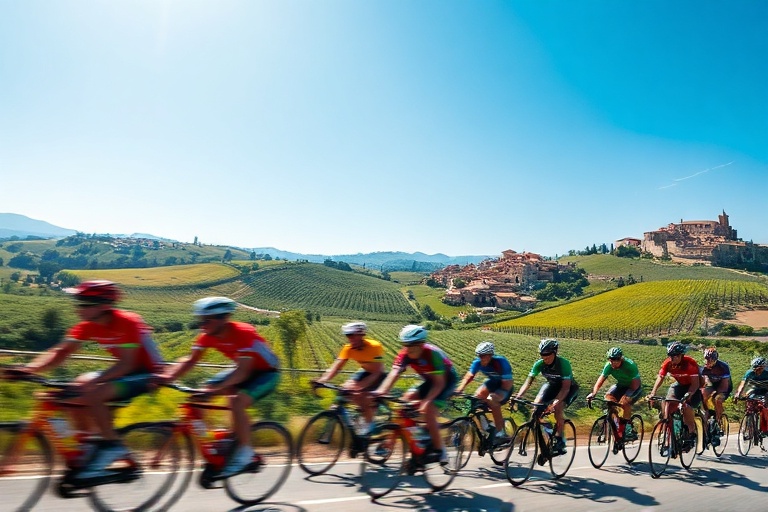
The race’s route is as much a storyteller as its champions. It winds through the Dolomites, skirts the Adriatic coast, and climbs the volcanic slopes of Mount Etna. This geographic narrative ties the Giro not just to athletic competition, but to Italy’s landscapes, traditions, and communities. Even today, small towns close down for the arrival of the pink jersey peloton, a testament to the race’s enduring local impact.
What Makes the Giro Unique in the Cycling World
Unlike its counterparts, the Giro d’Italia is deeply embedded in Italian culture, often serving as a stage for national identity. The pink jersey, or “maglia rosa,” awarded to the race leader, is instantly recognizable and carries historical weight. The color itself was chosen to match the pages of Gazzetta dello Sport, grounding the race in its original mission.
The Giro distinguishes itself through several key features:
- Unpredictable routes: The organizers frequently include long, remote stages and punishing mountain passes, ensuring no race unfolds as expected.
- Cultural immersion: The race passes through historic cities like Rome and Florence, as well as lesser-known villages that become temporary hubs of celebration.
- Italian flair: The atmosphere is vibrant, with fans draped in national flags, spontaneous tifosi (fans) lining the roads, and local bands playing along the route.
These elements create a racing experience that feels as much like a cultural festival as a sporting event. While the Tour de France may dominate headlines globally, the Giro offers a more intimate, emotionally charged narrative—one where suffering and joy are shared openly with the crowd.
Modern Challenges and the Future of the Giro
The Giro d’Italia, like all Grand Tours, faces significant challenges in the 21st century. Doping scandals in the early 2000s threatened its credibility, though recent years have seen stricter anti-doping measures and greater transparency. Financial pressures also loom large; organizing a three-week race across Italy demands significant investment, and sponsorships can fluctuate with economic trends.
Sustainability has become another pressing concern. The Giro’s organizers have committed to reducing its environmental footprint by minimizing helicopter use, promoting public transport for fans, and partnering with local communities to manage waste and energy consumption. These steps reflect a broader shift in sports toward eco-consciousness, though balancing tradition with innovation remains a delicate task.
Another challenge is maintaining global relevance. While the Giro has long been a European stronghold, it has increasingly expanded its international reach, with stages in Israel, the Netherlands, and even Canada in recent editions. This geographic diversification aims to attract new audiences and sponsors, but it risks diluting the race’s Italian soul—a tension organizers must carefully navigate.
Looking ahead, the Giro’s future may hinge on its ability to preserve its soul while embracing change. The rise of digital media offers new ways to engage fans, from real-time tracking to interactive content. Yet, the core experience—riders battling through the Alps, towns erupting in celebration—must remain intact. The Giro’s challenge is to evolve without losing what makes it timeless.
Why the Giro Matters Beyond the Race
The Giro d’Italia’s influence extends far beyond the realm of sport. Economically, it serves as a catalyst for local tourism, with regions reporting spikes in visitors during the race. The 2023 Giro, for instance, brought an estimated €50 million in direct and indirect economic benefits to the Abruzzo region alone.
Socially, the race fosters community pride and intergenerational connection. Families gather along the route, children ride bikes in the shadow of champions, and elders share stories of past editions. This shared experience strengthens local identity and offers a rare moment of unity in an increasingly fragmented world.
Politically, the Giro has occasionally intersected with national narratives. During the Cold War, it became a subtle tool of soft power, showcasing Italy’s vibrancy on the world stage. Today, it continues to reflect broader societal themes, such as gender equality—the women’s Giro d’Italia Donne has grown in prominence, highlighting the increasing role of women in professional cycling.
For cycling enthusiasts, the Giro represents the purest form of the sport: a test of endurance, strategy, and heart. In an era dominated by sprint finishes and high-tech bikes, the Giro’s emphasis on long, relentless climbs and tactical racing offers a refreshing counterpoint. It reminds fans that cycling is as much about suffering and sacrifice as it is about speed and strategy.
For more on cycling’s cultural impact and its role in global sports, visit our Sports and Analysis sections on Dave’s Locker.
The Giro d’Italia endures not just as a race, but as a living story—one of sweat, grit, and unshakable passion. As it enters its second century, it continues to write new chapters, each one a testament to the enduring power of two wheels and a dream.