Air India’s Global Comeback: A New Chapter for India’s Aviation Flagship
Air India, India’s oldest and most storied airline, is undergoing one of the most ambitious transformations in its 90-year history. Once synonymous with inefficiency and bureaucracy, the carrier is now racing to modernize, expand, and reclaim its place on the global stage. Under the leadership of the Tata Group—its new owner since 2022—the airline is reinventing itself with a focus on customer experience, fleet modernization, and international connectivity. This shift is not just about business; it reflects broader changes in India’s economy and its aspirations as a rising global power.
The airline’s journey from a state-run relic to a competitive international carrier mirrors India’s own economic evolution. For decades, Air India was a symbol of India’s socialist past, burdened by overstaffing, outdated aircraft, and chronic losses. Yet, its golden era in the 1950s and 60s, when it pioneered long-haul flights to Europe and the United States with Lockheed Constellations and later Boeing 747s, left an indelible mark on global aviation. Today, as the Tata Group invests billions into the airline, Air India is not only restoring its legacy but also positioning itself as a bridge between India and the world.
The Tata Group’s Vision: A $2.4 Billion Bet on the Future
The Tata Group’s acquisition of Air India in January 2022 marked a turning point. The conglomerate, known for its diverse portfolio spanning steel, IT, and hospitality, committed $2.4 billion to revive the airline. This investment is part of a broader strategy to capitalize on India’s booming aviation market, which is projected to become the world’s third-largest by 2026. The funds are being directed toward fleet expansion, cabin upgrades, and digital transformation.
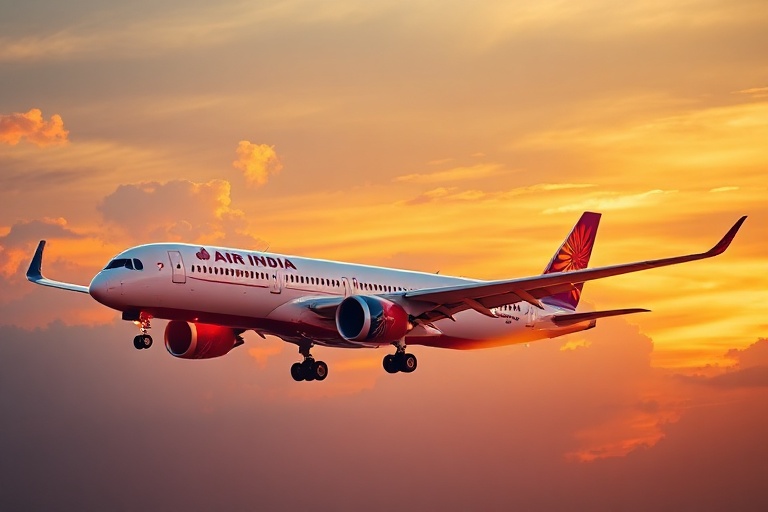
One of the most visible changes is the airline’s fleet renewal. Air India has placed orders for over 470 new aircraft from Airbus and Boeing, including the state-of-the-art Airbus A350 and Boeing 787 Dreamliner. These planes promise better fuel efficiency, quieter cabins, and advanced in-flight entertainment. The airline is also phasing out its aging Boeing 777s and 747s, which once defined its long-haul routes but are now costly to maintain. The goal is clear: to offer a product that competes with the likes of Emirates, Singapore Airlines, and Qatar Airways.
Beyond the aircraft, Air India is rethinking its service model. The airline has introduced a premium economy class on international routes, a category that has grown in popularity among travelers seeking comfort without the price tag of business class. Cabin crew training has been overhauled to emphasize hospitality, aligning with global standards. Even the airline’s livery has been refreshed, with a new design that blends the Tata Group’s corporate identity with Air India’s traditional colors.
Expanding Horizons: Air India’s Global Flight Plan
Air India’s international expansion is a key pillar of its revival strategy. The airline is aggressively adding routes to North America, Europe, and Southeast Asia, aiming to double its global footprint within the next five years. In 2023 alone, it launched flights to San Francisco, Seattle, and Vancouver, tapping into the large Indian diaspora in these regions. The airline is also reviving its presence in Africa, a market it largely abandoned in the 2000s, with new routes to Nairobi and Lagos.
One of the most strategic moves is the airline’s partnership with travel platforms and loyalty programs. Air India’s frequent flyer program, Flying Returns, has been revamped to offer more flexibility, including partnerships with banks and hotels. The airline is also exploring codeshare agreements with other global carriers, allowing passengers to book seamless connections through a single ticket. These initiatives are crucial for competing in a market where alliances like Star Alliance and Oneworld dominate.
However, expansion is not without challenges. The airline must contend with rising fuel costs, geopolitical tensions, and intense competition from Middle Eastern carriers that have long dominated long-haul routes from India. To counter this, Air India is leveraging its hub in Delhi, which is geographically closer to Europe and North America than traditional hubs like Dubai or Doha. The airline is also betting on the growing demand for air travel from India’s middle class, which is expected to drive passenger numbers to 500 million annually by 2030.
The Cultural Significance of Air India’s Revival
Air India is more than just an airline; it is a cultural institution. For generations of Indians, the airline symbolized national pride and global ambition. The iconic Maharaja mascot, introduced in the 1970s, became a beloved figure in Indian pop culture, featured in advertisements, films, and even children’s books. The airline’s in-flight magazine, SpaDe, was a window into global travel for many Indians, offering a glimpse of destinations they could only dream of visiting.
Today, the airline’s revival is intertwined with India’s broader cultural resurgence. As India cements its place as a global economic player, Air India is stepping into a role it once held: that of a cultural ambassador. The airline’s new marketing campaigns emphasize themes of heritage, innovation, and inclusivity. For example, its recent advertisement, The Maharaja of Now, reimagines the Maharaja as a modern, dynamic figure, reflecting India’s youthful, tech-savvy population.
Yet, the airline’s journey is not without its critics. Some argue that the Tata Group’s investment is a gamble that may not pay off, given the airline’s history of financial struggles. Others point to the challenges of integrating a workforce accustomed to a state-run culture with the demands of a competitive private sector. However, the early signs are promising. Air India reported its first profitable quarter in over a decade in 2023, and passenger numbers are steadily climbing.
What’s Next for Air India?
The road ahead for Air India is long, but the trajectory is clear. The airline’s success will depend on several key factors:
- Fleet and Infrastructure: Delivering on its massive aircraft orders and upgrading its ground infrastructure, including maintenance facilities and airport lounges.
- Customer Experience: Maintaining the momentum in service improvements, from in-flight meals to digital check-in processes.
- Global Partnerships: Strengthening alliances with other airlines and expanding codeshare agreements to offer more seamless travel options.
- Brand Perception: Continuing to rebrand itself as a modern, customer-centric airline while honoring its rich heritage.
The Tata Group’s vision for Air India is ambitious, but it is also a reflection of India’s own ambitions. As the country’s aviation market grows, Air India has the potential to become a major player on the global stage. Its success would not only benefit the airline but also symbolize India’s emergence as a leader in innovation and service.
For travelers, the revival of Air India offers more than just another airline option. It represents a chance to rediscover the magic of flying with an airline that carries the spirit of India—a blend of tradition and modernity, of history and ambition. Whether it’s the Maharaja’s smile greeting passengers at the check-in counter or the promise of a comfortable journey on a state-of-the-art aircraft, Air India is once again becoming a name to remember.