How the UAE Became a Global Powerhouse Beyond Oil
The United Arab Emirates: A Modern Gulf State Redefining Global Influence
The United Arab Emirates (UAE) has transformed from a desert federation into one of the most dynamic and globally connected nations in the world. Comprising seven emirates, including economic powerhouses like Dubai and Abu Dhabi, the UAE blends rapid modernization with deep-rooted Arab traditions. Its strategic location, business-friendly policies, and ambitious development projects have positioned it as a key player in global trade, tourism, and innovation.
Since its formation in 1971 under the visionary leadership of the late Sheikh Zayed bin Sultan Al Nahyan, the UAE has pursued a deliberate strategy of diversification. Oil, once the backbone of its economy, now accounts for less than one-third of GDP. The nation has instead invested heavily in sectors such as finance, real estate, aviation, and renewable energy. This shift reflects a broader regional trend—Gulf states are increasingly looking beyond hydrocarbons to secure long-term prosperity.
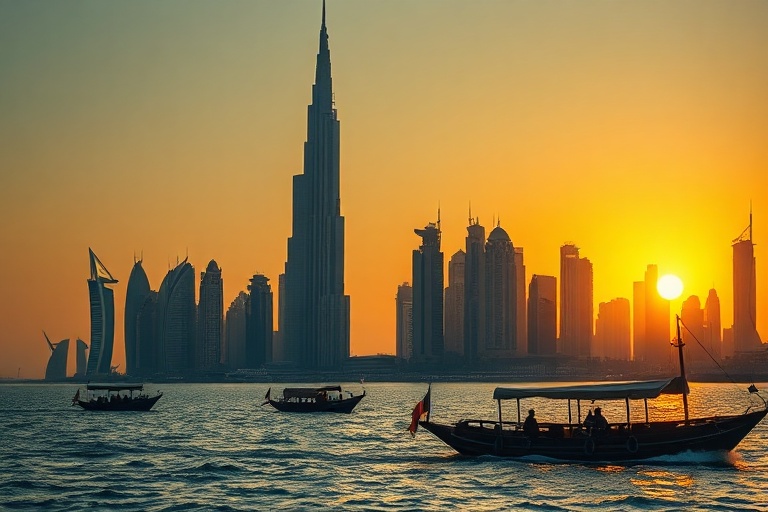
The UAE’s global ambitions are perhaps best embodied by Dubai, a city synonymous with ambition and excess. From the man-made Palm Islands to the world’s tallest building, the Burj Khalifa, Dubai has redefined urban development. Its skyline is a testament to human ingenuity, while its annual events like the Dubai Shopping Festival and the Dubai Expo draw millions of visitors. Meanwhile, Abu Dhabi, the capital, has focused on cultural and educational expansion, home to institutions like NYU Abu Dhabi and the Louvre Abu Dhabi.
The UAE’s Role in Global Trade and Diplomacy
The UAE’s economic ascent is inseparable from its role as a global trade hub. The country sits at the crossroads of Europe, Asia, and Africa, making it a natural gateway for commerce. The Jebel Ali Port in Dubai is one of the busiest in the world, while Dubai International Airport consistently ranks among the top for passenger traffic. These assets have made the UAE a magnet for multinational corporations and startups alike.
Diplomatically, the UAE has emerged as a mediator in regional conflicts and a bridge between East and West. It maintains strong ties with both Western powers and Asian giants like China and India. The Abraham Accords, which normalized relations between the UAE and Israel in 2020, marked a historic shift in Middle Eastern geopolitics. This agreement not only opened new economic opportunities but also positioned the UAE as a leader in regional peacebuilding.
The country’s foreign policy is guided by pragmatism. While it has historically aligned closely with the United States, it has also pursued independent strategies, such as deepening relations with Russia and China on energy and infrastructure projects. This balanced approach allows the UAE to navigate complex global dynamics while safeguarding its national interests.
Cultural Fusion and Social Evolution in the UAE
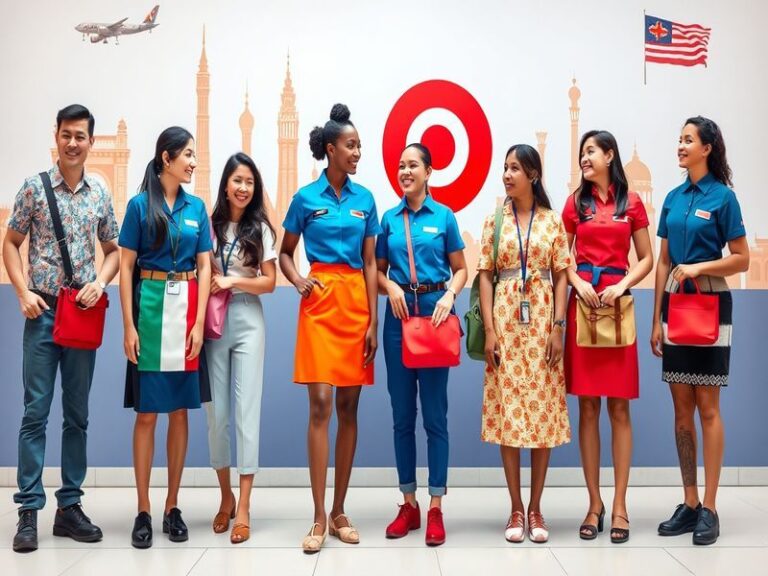
The UAE’s society is a mosaic of cultures, shaped by decades of immigration. Expatriates make up nearly 90% of the population, bringing diverse traditions, cuisines, and perspectives. This multicultural environment has fostered a unique social fabric where Emirati nationals coexist with communities from South Asia, the West, and beyond. The result is a society that is both cosmopolitan and deeply rooted in Arab-Islamic values.
Yet, this cultural fusion has also sparked debates about identity and integration. While the UAE is known for its tolerance and openness, it maintains strict laws governing public behavior, particularly around issues like alcohol consumption and dress codes. The government has carefully balanced modernization with tradition, allowing for gradual social liberalization without compromising cultural identity.
One of the most visible aspects of this evolution is the role of women. Emirati women have made significant strides in education and the workforce, occupying leadership positions in government, business, and the military. The UAE was the first country in the region to appoint a female minister and has since set ambitious goals for gender parity. These changes reflect broader societal shifts, though challenges remain in achieving full equality.
The UAE’s approach to cultural preservation is equally deliberate. Heritage sites like Al Ain’s ancient oases and the Sheikh Zayed Grand Mosque in Abu Dhabi serve as reminders of the nation’s past. Meanwhile, events like the Abu Dhabi Festival and Dubai Opera celebrate both traditional and contemporary arts, showcasing the country’s commitment to cultural diplomacy.
The Future: Sustainability, Innovation, and Global Leadership
The UAE’s next chapter is being written with a focus on sustainability and innovation. The country has set ambitious targets, including generating 50% of its energy from clean sources by 2050 and achieving net-zero emissions by 2050. Projects like the Mohammed bin Rashid Al Maktoum Solar Park in Dubai and the Barakah Nuclear Energy Plant in Abu Dhabi underscore this commitment.
Innovation is another cornerstone of the UAE’s future strategy. The country has positioned itself as a leader in fields like artificial intelligence, space exploration, and fintech. The UAE’s Mars Hope Probe, the first interplanetary mission by an Arab nation, captured global attention and highlighted the country’s scientific ambitions. Meanwhile, initiatives like the Dubai Future Accelerators program foster collaboration between government and startups to tackle global challenges.
The UAE’s soft power extends beyond economics and technology. Its hosting of global events, from the COP28 climate summit in 2023 to the FIFA World Cup in 2022, demonstrates its ability to bring the world together. These gatherings are not just about prestige—they are opportunities to showcase the UAE’s vision for a more connected and sustainable future.
Yet, challenges lie ahead. The country must navigate the pressures of climate change, regional instability, and the economic uncertainties of a post-oil world. Balancing rapid growth with environmental and social sustainability will require continued adaptability. But if history is any indication, the UAE is well-equipped to meet these challenges head-on.
A Model for the Gulf and Beyond
The United Arab Emirates stands as a testament to what visionary leadership and strategic planning can achieve. Its journey from a modest collection of sheikhdoms to a global powerhouse offers lessons for other nations seeking to diversify their economies and societies. While the UAE’s model is unique, its emphasis on innovation, tolerance, and global engagement provides a blueprint for other emerging economies.
As the world grapples with climate change, geopolitical tensions, and technological disruption, the UAE’s ability to adapt and thrive offers hope. Whether through its ambitious space programs, its role in global trade, or its cultural diplomacy, the UAE is redefining what it means to be a nation in the 21st century. For observers and investors alike, the Emirates remain a compelling story of transformation and ambition.
For those interested in exploring the UAE’s economic and cultural landscape further, travel enthusiasts can discover its hidden gems, while business professionals can learn about its thriving investment opportunities.