Understanding the Trump Posts Phenomenon
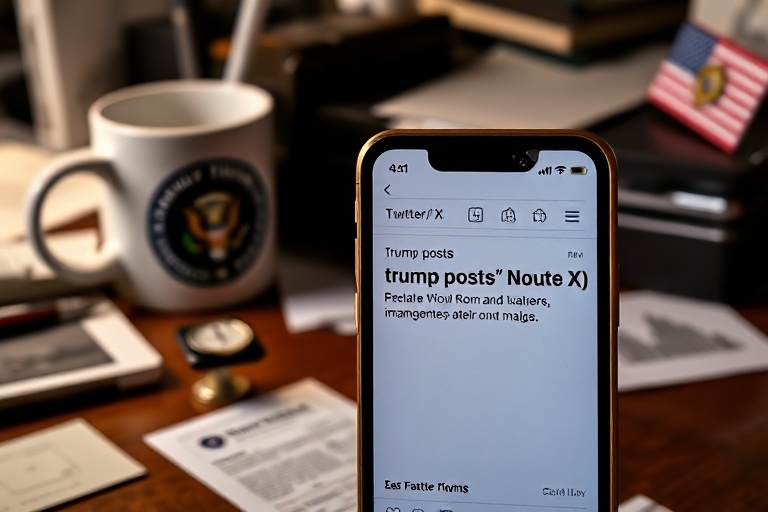
The digital footprint of Donald Trump remains one of the most analyzed aspects of modern political communication. Since his presidency began in 2017, Trump’s use of social media—particularly Twitter, now rebranded as X—has redefined how public figures interact with audiences. His posts, often characterized by their directness and unfiltered tone, have become a subject of intense scrutiny, academic research, and media coverage.
What started as a platform for rallying supporters quickly evolved into a global conversation about the intersection of politics, social media, and public discourse. Trump’s posts are not merely statements; they function as policy announcements, personal branding tools, and sometimes controversial declarations that shift market sentiment, influence media cycles, and even affect international relations. Understanding the mechanics behind these posts requires examining their content, timing, and the broader ecosystem that amplifies their reach.
The Anatomy of a Trump Post
Trump’s posts follow a distinct pattern that sets them apart from conventional political communication. They are typically concise, often under 280 characters during his Twitter tenure, and use simple, repetitive language designed for maximum impact. This approach aligns with the cognitive load theory, which suggests that shorter, repetitive messages are easier to process and remember.
Another defining feature is the use of capitalization and punctuation. Words like “FAKE NEWS,” “WITCH HUNT,” and “AMERICA FIRST” are not accidental stylistic choices—they serve as rhetorical devices to evoke emotion and signal ideological commitment. The posts also frequently include hashtags, mentions of other public figures, and direct calls to action, such as “RETWEET IF YOU AGREE!” These elements transform each post into a micro-campaign designed to mobilize supporters and provoke reactions.
The timing of Trump’s posts is equally strategic. He often posts during peak engagement hours—early morning or late evening in the U.S.—to ensure maximum visibility. Breaking news events, controversial developments, or major political announcements frequently trigger immediate responses, creating a feedback loop where posts influence media narratives and vice versa.
Impact on Media and Public Discourse
The ripple effects of Trump’s posts extend far beyond the digital realm. News outlets, both mainstream and alternative, often prioritize his statements in their coverage, leading to what some scholars describe as a “Trump-driven news cycle.” This phenomenon has reshaped editorial strategies, with many organizations adopting real-time reporting models to keep pace with his social media activity.
For instance, when Trump posted about the Steele dossier in January 2017, it sparked a wave of investigations and counter-narratives that dominated headlines for weeks. Similarly, his tweets about tariffs, trade wars, and international agreements have been known to move markets within minutes. The immediacy of his communication has blurred the lines between political speech and financial signaling, prompting regulators and journalists to adapt their approaches to risk assessment and verification.
Critics argue that this constant stream of posts contributes to a fragmented information landscape, where facts are often secondary to emotional appeal. Supporters, however, view it as a necessary corrective to what they perceive as biased mainstream media coverage. This divide has fueled ongoing debates about the role of social media in democracy, the responsibility of platforms to moderate content, and the ethical obligations of journalists in the digital age.
Legal and Platform Challenges
Trump’s social media activity has not been without legal and technological consequences. In January 2021, Twitter permanently suspended his account following the Capitol riot, citing “the risk of further incitement of violence.” This decision ignited a global discussion about the power of social media companies to regulate speech, particularly for public figures.
The suspension also raised questions about the role of algorithms in amplifying content. Studies have shown that posts from high-profile accounts, including Trump’s, receive disproportionate engagement due to network effects and recommendation systems. This dynamic has led to calls for greater transparency in how platforms prioritize and distribute content.
In response to these challenges, platforms like Facebook and Twitter have implemented stricter moderation policies, including warning labels, account bans, and limits on viral reach. However, these measures often spark backlash from users who view them as censorship. The legal landscape remains unsettled, with ongoing lawsuits and legislative proposals aimed at clarifying the responsibilities of social media companies.
Trump’s Posts in the Broader Political Landscape
Trump’s social media strategy has had a lasting impact on political campaigning. His 2016 victory demonstrated the potential of digital outreach, inspiring a new generation of candidates to prioritize social media over traditional advertising. Today, many political campaigns operate with dedicated digital teams whose sole focus is crafting viral-worthy content.
This shift has also influenced how political messaging is consumed. Younger voters, in particular, are more likely to engage with politics through social media than through traditional news sources. As a result, political discourse has become more visual, interactive, and participatory, with memes, videos, and live streams playing central roles.
Yet, the long-term effects of this transformation remain uncertain. While Trump’s posts have undeniably amplified his influence, they have also contributed to polarization, misinformation, and the erosion of trust in institutions. As social media platforms evolve and new technologies emerge, the question of how to balance free speech with accountability will continue to shape the future of political communication.
Looking Ahead: The Future of Political Social Media
The era of Trump’s posts may be waning, but its legacy endures. The strategies he pioneered—direct communication, emotional messaging, and real-time engagement—have become standard tools in the political playbook. As AI-driven content creation and deepfake technology advance, the line between authentic and fabricated political speech will only blur further.
For journalists, analysts, and citizens alike, the challenge will be to navigate this landscape without losing sight of the core principles of truth, transparency, and civic responsibility. Whether through policy changes, technological innovation, or public education, the goal remains the same: to ensure that social media serves the public good rather than undermines it.
As platforms continue to adapt and new voices emerge, one thing is clear: the age of Trump’s posts has left an indelible mark on how politics is conducted in the digital age. The question is no longer whether social media will shape the future of governance, but how we will shape the rules that govern social media itself.
Key Takeaways
- Direct Communication: Trump’s posts bypass traditional media gatekeepers, delivering unfiltered messages to millions of followers instantly.
- Emotional Appeal: The use of capitalization, repetition, and provocative language is designed to evoke strong reactions and reinforce ideological identity.
- Media Dependence: News outlets often prioritize his posts, creating a feedback loop that amplifies their reach and influence.
- Legal and Ethical Dilemmas: The suspension of his accounts and ongoing debates about content moderation highlight the challenges of regulating political speech online.
- Cultural Impact: His social media strategy has inspired a new generation of politicians to prioritize digital engagement over traditional campaigning.
For those interested in exploring related topics, visit our News and Politics category pages on Dave’s Locker for deeper analysis and curated content.