JD Sports: The Retail Giant Shaping Global Sneaker Culture
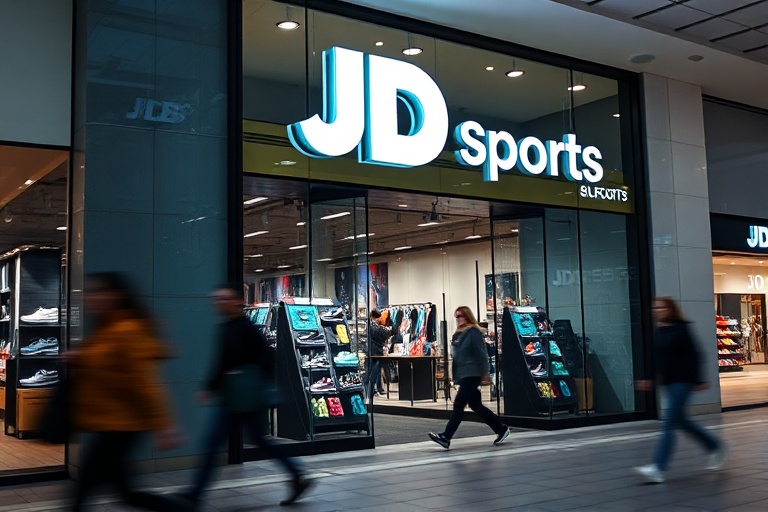
JD Sports Fashion plc stands as one of the most influential names in global sports retail, a brand synonymous with sneaker culture, athletic apparel, and streetwear trends. What began as a single store in Bury, England, in 1981 has grown into an international powerhouse with over 3,000 locations across 20 countries, including a strong presence in the United States, Europe, and Asia. The company’s rise reflects broader shifts in consumer behavior, fashion cycles, and the merging of sports, music, and lifestyle aesthetics.
The Origins and Growth of a Sneaker Empire
Founded by John David Stanforth, JD Sports initially focused on selling branded sportswear and footwear. The early years were marked by steady expansion throughout the UK, capitalizing on the growing popularity of jogging and casual athletic wear in the 1980s. By the 1990s, JD Sports had begun acquiring regional chains, including the purchase of First Sport in 1996, which significantly boosted its footprint.
The real inflection point came in 2005 when JD Sports went public on the London Stock Exchange. This move provided capital for aggressive international expansion and strategic acquisitions. Over the next two decades, the company solidified its position by acquiring major retailers such as Foot Locker’s UK operations and acquiring chains like Size? and Tessuti, further embedding itself in the premium fashion and sneaker subcultures.
Today, JD Sports operates under a diversified model, selling everything from Nike and Adidas to exclusive collaborations with designers and artists. The company’s ability to blend performance athletic gear with trend-driven streetwear has allowed it to transcend traditional sports retail, making it a cultural institution.
How JD Sports Became a Cultural Force
JD Sports didn’t just sell sneakers—it helped define them. The company has played a pivotal role in elevating sneaker culture from a niche hobby into a mainstream phenomenon, particularly through its exclusive releases and limited-edition drops. Collaborations with high-profile brands like Nike, Off-White, and Palace have created some of the most sought-after footwear in the world.
One of the key drivers of JD Sports’ cultural influence has been its embrace of online retail and digital engagement. The company’s e-commerce platform is a major revenue driver, offering seamless browsing, mobile apps, and real-time stock alerts for high-demand items. Social media presence—especially on Instagram and TikTok—has also been central to its strategy, with viral campaigns and influencer partnerships amplifying brand visibility.
JD Sports has also become a hub for sneaker enthusiasts through in-store events and pop-up experiences. Shoppers often line up for hours—or even days—for exclusive releases, and the brand’s stores have become social landmarks in cities from London to New York. This blend of retail and community has turned JD Sports into more than a store: it’s a destination for culture.
The JD Sports Business Model: Agility and Adaptation
The success of JD Sports can be attributed to a business model built on agility, exclusivity, and customer experience. Unlike traditional retailers, JD Sports focuses on curating high-demand inventory, often securing exclusive rights to coveted products. This strategy minimizes price competition and maximizes margins, especially in the lucrative secondary market.
The company operates several distinct retail banners, each targeting different consumer segments:
- JD Sports: The flagship brand offering premium athletic and lifestyle footwear and apparel.
- Size?: A trend-focused retailer specializing in streetwear, sneakers, and contemporary fashion.
- Chelsea Crew: A women’s fashion and footwear retailer with a strong sneaker and casual footwear selection.
- Bank: A high-end fashion retailer carrying luxury and designer brands alongside streetwear.
- Tessuti: A contemporary fashion brand with a focus on Italian-inspired styling and premium materials.
This multi-brand approach allows JD Sports to capture a wide range of shoppers, from sneakerheads to fashion-forward consumers. The company also invests heavily in customer experience, with features like in-store styling consultations, mobile checkout, and loyalty programs that offer early access to drops.
Financially, JD Sports has consistently outperformed many traditional retailers. In its most recent fiscal year, the company reported revenue of over £3.5 billion, with e-commerce sales growing at double-digit rates. Its resilience during economic downturns—including the COVID-19 pandemic—demonstrates the strength of its omnichannel strategy and the enduring appeal of its product mix.
Controversies and Challenges
Despite its success, JD Sports has not been without controversy. One of the most persistent criticisms is related to the resale market and the role JD Sports (and similar retailers) play in fueling hype and artificial scarcity. Limited-edition sneaker releases often lead to overnight lines, bots purchasing inventory, and inflated secondary market prices. Critics argue that this creates an exclusionary system that favors resellers over genuine fans.
The company has taken steps to address these concerns, including implementing purchase limits, raffle systems, and verified member programs to improve accessibility. However, enforcement remains inconsistent, and the issue continues to spark debate within sneaker communities.
Another challenge is sustainability. As a major player in fast fashion and athletic footwear, JD Sports faces scrutiny over its environmental impact, particularly regarding the use of plastics, synthetic materials, and carbon-intensive supply chains. While the company has launched initiatives like shoe recycling programs and sustainable collections, critics say these efforts are not yet comprehensive enough to match the scale of its operations.
Looking Ahead: The Future of JD Sports
JD Sports continues to evolve in response to shifting consumer habits and market dynamics. Expansion into new geographic markets—particularly in Asia and the Middle East—remains a priority. The company is also investing in digital innovation, including AI-driven personalization, virtual try-ons, and enhanced mobile shopping experiences.
There’s also growing interest in sustainability and ethical sourcing. JD Sports has pledged to reduce carbon emissions and increase the use of recycled materials, though the timeline and accountability mechanisms are still developing. If executed well, these commitments could further strengthen the brand’s reputation among younger, values-driven consumers.
As sneaker culture continues to influence mainstream fashion, JD Sports is well-positioned to remain at the forefront. Its ability to blend retail, culture, and community—while adapting to digital trends—will determine whether it can sustain its dominance in an increasingly competitive market.
Conclusion
JD Sports has transformed from a regional sports retailer into a global cultural institution. By understanding the pulse of youth culture, leveraging exclusivity, and embracing digital transformation, it has redefined what it means to be a sports retailer in the 21st century. While challenges like sustainability and resale ethics persist, the company’s agility and brand power suggest it will continue shaping sneaker culture for years to come. For enthusiasts, collectors, and casual shoppers alike, JD Sports remains a key player in the ever-evolving world of fashion and footwear.
For more on the intersection of fashion and culture, explore our Fashion and Culture sections on Dave’s Locker.