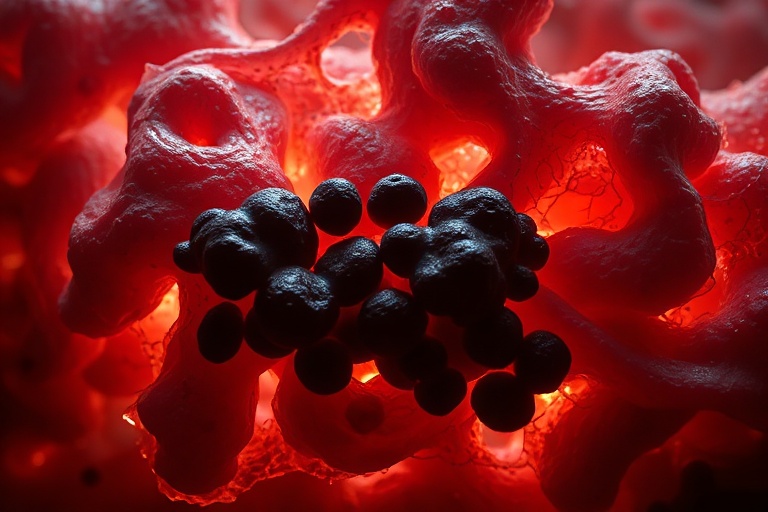
Metastatic cancer remains one of the most challenging diagnoses in modern medicine, yet advances in research and treatment continue to reshape outcomes for patients. Unlike primary tumors that originate in a specific organ, metastatic cancer occurs when malignant cells break away from the original site and establish secondary tumors elsewhere in the body. This process, known as metastasis, is responsible for approximately 90% of cancer-related deaths. Understanding how metastasis works—and how it’s being fought—can provide clarity for patients, caregivers, and anyone seeking to deepen their knowledge of this complex disease.
How Metastasis Occurs: The Journey of Cancer Cells
The spread of cancer from one part of the body to another is not random. It follows a highly orchestrated sequence of biological events that begins with local invasion. Cancer cells must first degrade the surrounding tissue, often by secreting enzymes that break down structural barriers like the extracellular matrix. Once they gain access to blood vessels or lymphatic channels, these cells—now called circulating tumor cells (CTCs)—begin a perilous journey through the circulatory system.
Survival during transit is low; only a tiny fraction of CTCs successfully evade immune detection and lodge in distant organs. The organs most commonly affected—lungs, liver, bones, and brain—offer microenvironments that support tumor growth. For example, breast cancer often metastasizes to bone due to chemical signals that attract cancer cells to bone marrow niches. These secondary tumors, though derived from a primary cancer, are considered stage IV and are typically more difficult to treat than earlier-stage disease.
Researchers are increasingly focused on interrupting this process. Drugs like bisphosphonates and denosumab, originally developed to strengthen bones, are now used to prevent or delay bone metastasis in certain cancers. Similarly, ongoing trials are exploring how to target the “seed and soil” theory—where cancer cells (seeds) thrive only in compatible organ environments (soil).
Common Sites of Metastasis and Their Clinical Impact
The pattern of metastasis varies by cancer type. For instance, prostate cancer frequently spreads to bone, while colorectal cancer commonly metastasizes to the liver. Lung cancer, on the other hand, often spreads to the brain and adrenal glands. These patterns are not arbitrary; they reflect the molecular compatibility between cancer cells and specific organs.
Breakdown by Organ System
- Bone: Common in breast, prostate, and lung cancers. Can cause severe pain, fractures, and hypercalcemia. Treatment often includes radiation, bone-modifying agents, and hormone therapy.
- Liver: A frequent site for gastrointestinal cancers. Liver metastases may lead to jaundice, abdominal swelling, and liver failure. Options include chemotherapy, targeted therapy, and surgical resection in select cases.
- Lungs: Often seen in sarcomas and kidney cancers. Can cause shortness of breath and coughing. Treatment may involve immunotherapy, targeted drugs, or stereotactic body radiation therapy (SBRT).
- Brain: Metastases to the brain are particularly challenging. Symptoms include headaches, seizures, and cognitive decline. Treatment may include steroids, whole-brain radiation, or stereotactic radiosurgery.
Each metastatic site presents unique clinical challenges. For example, brain metastases were once considered a death sentence, but newer therapies like immune checkpoint inhibitors and targeted agents have improved survival rates for select patient groups. Still, the presence of metastasis generally indicates a more advanced disease state, requiring a multidisciplinary approach to care.
Treatment Strategies: From Palliative Care to Precision Medicine
The goal of treatment for metastatic cancer depends on several factors, including cancer type, extent of spread, patient performance status, and biomarker status. While metastatic cancer is rarely curable, it is increasingly treatable—with many patients living for years with good quality of life. Treatment approaches have evolved from a one-size-fits-all model to highly personalized strategies guided by tumor biology.
Key Treatment Modalities
- Systemic Therapy: Chemotherapy, hormone therapy, immunotherapy, and targeted therapy are the cornerstones of metastatic cancer treatment. For example, HER2-positive breast cancer with liver metastases may respond well to trastuzumab deruxtecan, a targeted antibody-drug conjugate.
- Local Therapies: Radiation therapy, surgery, and ablation techniques can be used to control symptoms or treat isolated metastases. SBRT delivers high-dose radiation to small tumors with minimal damage to surrounding tissue.
- Supportive Care: Pain management, nutritional support, and psychological counseling are critical. Palliative care teams help manage symptoms and improve quality of life, often alongside active treatment.
- Clinical Trials: Many patients with metastatic cancer benefit from enrolling in clinical trials that test novel therapies, combinations, or immunotherapy approaches. Participation can offer access to cutting-edge treatments not yet widely available.
In recent years, the rise of precision oncology has transformed treatment paradigms. Next-generation sequencing (NGS) allows clinicians to identify specific genetic mutations—such as EGFR in lung cancer or BRCA in ovarian cancer—and match patients with targeted drugs. Immunotherapy, particularly immune checkpoint inhibitors like pembrolizumab and nivolumab, has revolutionized care for melanoma, lung cancer, and bladder cancer by harnessing the body’s immune system to attack tumor cells.
Living With Metastatic Cancer: Quality of Life and Support Systems
A metastatic cancer diagnosis brings profound emotional, physical, and logistical challenges. Patients often face a rollercoaster of emotions—fear, uncertainty, and grief—as they adapt to a new reality. Support systems are essential, not optional. Family, friends, support groups, and mental health professionals play a vital role in helping patients navigate the emotional landscape of living with advanced disease.
Physical symptoms such as fatigue, pain, and nausea can significantly impact daily life. Multidisciplinary care teams, including oncologists, palliative care specialists, and rehabilitation therapists, work together to address these issues. Integrative therapies—such as acupuncture, massage, and mindfulness meditation—are increasingly incorporated into care plans to improve well-being.
Financial toxicity is another major concern. The cost of cancer treatment can be staggering, even with insurance. Many patients struggle with lost income, copays, and travel expenses for appointments. Organizations like the American Cancer Society and CancerCare offer financial assistance programs to help alleviate this burden.
Despite the challenges, many patients with metastatic cancer continue to lead meaningful lives. Advances in treatment have transformed some previously fatal cancers into chronic, manageable conditions. For example, patients with metastatic prostate cancer on hormone therapy may live for a decade or more with minimal symptoms. Similarly, some women with metastatic breast cancer are living longer due to CDK4/6 inhibitors and antibody-drug conjugates.
Research Frontiers: The Future of Metastatic Cancer Care
The future of metastatic cancer treatment lies in earlier detection, smarter therapies, and deeper understanding of tumor biology. Liquid biopsies, which analyze circulating tumor DNA in blood samples, are being developed to detect metastasis earlier and monitor treatment response in real time. These noninvasive tests could revolutionize surveillance and reduce the need for repeated imaging.
Another promising area is the study of the tumor microenvironment. Cancer cells don’t act alone—they interact with surrounding immune cells, fibroblasts, and blood vessels. Drugs that target these interactions, such as T-cell engagers or agents that disrupt the extracellular matrix, are in clinical development.
Cancer vaccines and personalized neoantigen therapies are also gaining traction. These therapies train the immune system to recognize and attack tumor-specific mutations, potentially preventing recurrence or controlling metastatic spread. Early trials in melanoma and glioblastoma have shown encouraging results.
Finally, artificial intelligence (AI) is being used to analyze complex datasets—genomic, clinical, and imaging—to predict metastasis risk and optimize treatment plans. Machine learning models can identify patterns in patient data that human clinicians might miss, leading to more precise and timely interventions.
Conclusion: A Continuing Journey of Progress
Metastatic cancer remains a formidable adversary, but the landscape of care is shifting. From improved imaging and targeted therapies to patient-centered support systems, the field is evolving rapidly. While a cure remains elusive for most, many patients are living longer, with better quality of life, than ever before. The integration of science, compassion, and innovation offers hope—not just for survival, but for meaningful living.
For those affected, education and advocacy are powerful tools. Resources such as Dave’s Locker Health provide trusted information and community connections. Staying informed, asking questions, and seeking second opinions can empower patients to make confident decisions about their care.
As research advances and treatments improve, the narrative around metastatic cancer is gradually changing. It’s no longer solely a story of decline—it’s also one of resilience, innovation, and hope.