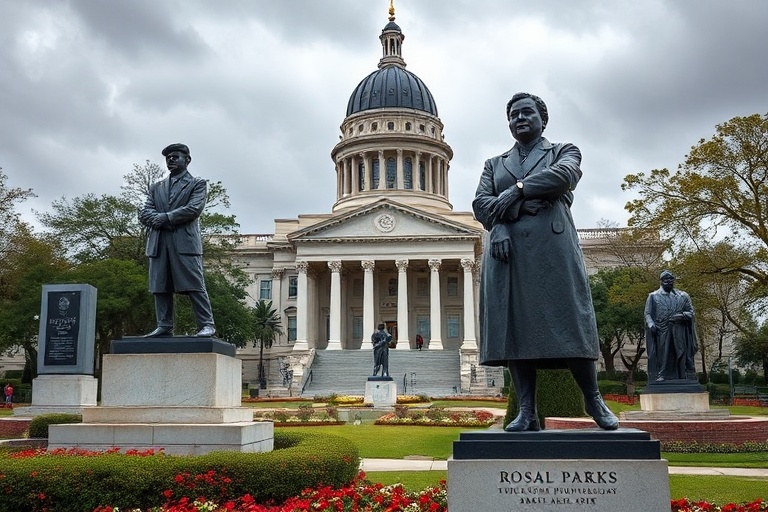
Montgomery, Alabama, stands as a testament to the enduring spirit of the American South. Founded in 1819, the city has evolved from a modest trading post into a vibrant urban center, blending its storied past with forward-thinking development. Its streets echo with the voices of civil rights pioneers, while its skyline reflects the ambitions of a growing metropolis. Montgomery’s unique character lies in its ability to honor tradition while embracing change, making it a compelling destination for history buffs, culture seekers, and urban explorers alike.
The Historical Tapestry of Montgomery
Montgomery’s history is deeply intertwined with pivotal moments in American history. The city served as the first capital of the Confederacy during the Civil War, a fact that continues to shape its identity and conversations about its past. Yet, Montgomery is equally renowned as the birthplace of the modern civil rights movement. In 1955, Rosa Parks’ refusal to give up her bus seat to a white passenger sparked the Montgomery Bus Boycott, a 381-day protest that became a cornerstone of the civil rights struggle. The city’s role in this movement is immortalized at the Rosa Parks Museum and the Dexter Avenue King Memorial Baptist Church, where Dr. Martin Luther King Jr. once pastored.
The Alabama State Capitol building, with its gleaming white dome, is another landmark steeped in history. Visitors can walk the same halls where legislators debated secession and later, where civil rights legislation was championed. Nearby, the Civil Rights Memorial and the Southern Poverty Law Center’s headquarters offer poignant reminders of the ongoing fight for equality. These sites are not merely relics; they are active participants in contemporary dialogues about justice and reconciliation.
Key Historical Sites in Montgomery
- Rosa Parks Museum: Commemorates the life and legacy of Rosa Parks, featuring interactive exhibits and firsthand accounts of the bus boycott.
- Dexter Avenue King Memorial Baptist Church: A National Historic Landmark where Dr. Martin Luther King Jr. preached and organized civil rights campaigns.
- Alabama State Capitol: A Greek Revival-style building that served as the first capitol of the Confederacy and later witnessed civil rights milestones.
- Civil Rights Memorial: Designed by Maya Lin, this moving monument honors 40 individuals who died during the civil rights movement.
Cultural Gems and Urban Revival
Beyond its historical significance, Montgomery boasts a thriving arts and culture scene. The city’s downtown district has undergone a renaissance in recent years, with new restaurants, galleries, and performance spaces breathing life into its historic buildings. The Montgomery Museum of Fine Arts, for instance, showcases an impressive collection of American art, while the Alabama Shakespeare Festival draws theater enthusiasts from across the region. Meanwhile, the city’s music scene is a melting pot of blues, jazz, and Southern gospel, reflecting its deep musical roots.
Food plays a central role in Montgomery’s cultural identity. The city’s culinary landscape is a delicious paradox—traditional Southern comfort food sits alongside innovative farm-to-table dining. Barbecue joints like Dreamland BBQ serve up slow-smoked ribs and tangy sauce, while modern eateries like Cahaba Brewing Company offer craft beer and locally sourced dishes. For a taste of Montgomery’s diverse heritage, visitors can explore the offerings at the Alabama Farmers Market, where vendors sell everything from fresh produce to handmade crafts.
Arts and Entertainment Highlights
- Alabama Shakespeare Festival: One of the largest Shakespeare festivals in the world, featuring classic and contemporary productions.
- Montgomery Museum of Fine Arts: Home to a diverse collection, including works by Georgia O’Keeffe and William Christenberry.
- Blues and Jazz Venues: Venues like The Warehouse and The Loose Marble host live music nights, celebrating Montgomery’s musical legacy.
- First Fridays Art Walk: A monthly event where galleries, studios, and businesses open their doors for community celebration and art appreciation.
Education and Innovation in Montgomery
Montgomery is also a hub for education and innovation. Home to several universities, including Alabama State University and Auburn University at Montgomery, the city fosters a dynamic intellectual environment. These institutions contribute to research, community engagement, and workforce development, positioning Montgomery as a key player in the state’s educational landscape. Meanwhile, the city’s tech sector is growing, with startups and co-working spaces like The Mill fostering entrepreneurship and collaboration.
The Maxwell Air Force Base, located just outside the city, adds another layer to Montgomery’s identity. As the headquarters of the Air University, it plays a critical role in military education and global defense initiatives. The base’s presence underscores Montgomery’s strategic importance, both historically and in the modern era. It also provides an economic boost, supporting thousands of jobs and driving local business growth.
Educational and Innovative Institutions
- Alabama State University: A historically Black university founded in 1867, known for its strong programs in education, business, and the arts.
- Maxwell Air Force Base: A major military installation that serves as the intellectual and leadership training center for the U.S. Air Force.
- Auburn University at Montgomery: Offers a wide range of undergraduate and graduate programs, with a focus on community engagement and research.
- The Mill: A co-working space and innovation hub that supports local entrepreneurs and startups with resources and networking opportunities.
The Future of Montgomery
Looking ahead, Montgomery is poised for continued growth and transformation. City planners are investing in infrastructure improvements, from expanded public transit to revitalized green spaces. Projects like the Montgomery Riverfront, which includes a new amphitheater and riverwalk, aim to enhance quality of life while attracting tourism. At the same time, the city is prioritizing sustainability, with initiatives to reduce carbon emissions and promote renewable energy.
Montgomery’s ability to balance progress with preservation will be key to its future success. By honoring its past while embracing innovation, the city can serve as a model for other Southern cities grappling with similar challenges. Whether it’s through its historic sites, cultural institutions, or economic development, Montgomery offers a compelling narrative of resilience and reinvention.
For residents and visitors alike, Montgomery is more than just a stop on a road trip—it’s a place to engage, learn, and be inspired. Its story is still being written, and the next chapter promises to be just as impactful as those that came before.