Royal Festival Hall: London’s Iconic Cultural Landmark
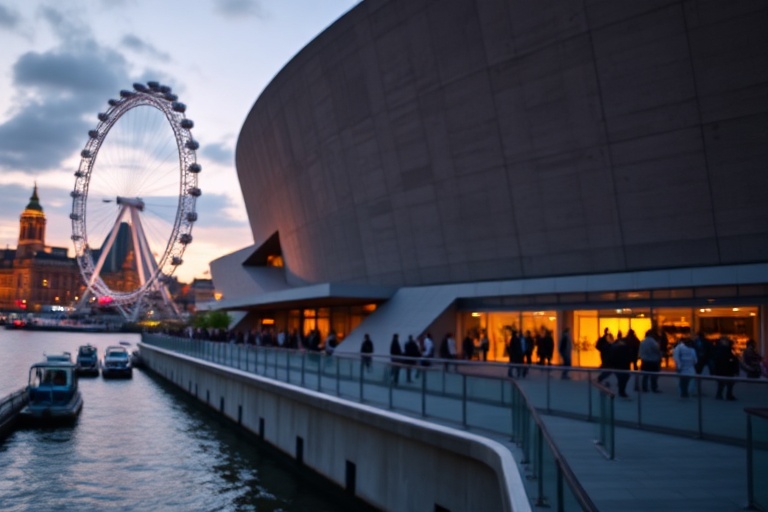
The Royal Festival Hall stands as a testament to London’s enduring commitment to the arts. Since its opening in 1951, it has evolved from a post-war symbol of hope into one of the world’s most revered venues for music, dance, and performance. Located on the South Bank of the River Thames, the hall is part of the Southbank Centre, a sprawling arts complex that also includes the Queen Elizabeth Hall and the Purcell Room.
Designed by architects Leslie Martin, Peter Moro, and Robert Matthew, the Royal Festival Hall was originally built for the Festival of Britain, a national exhibition celebrating innovation and culture. Its modernist architecture, characterized by clean lines and an emphasis on open spaces, broke from the ornate traditions of earlier concert halls. Today, it remains a masterpiece of mid-century design, blending functionality with aesthetic elegance.
A Hub for World-Class Performances
The Royal Festival Hall hosts over 250 performances annually, spanning classical music, jazz, contemporary dance, and spoken word. Its main auditorium, with a capacity of 2,900 seats, is renowned for its acoustics, which rival those of Vienna’s Musikverein and Amsterdam’s Concertgebouw. The hall’s resident orchestras, the London Philharmonic Orchestra and the Philharmonia Orchestra, regularly grace its stage, drawing audiences from across the globe.
Beyond traditional performances, the venue has embraced innovation. In recent years, it has become a platform for boundary-pushing collaborations, such as the merging of orchestral music with electronic beats. The hall’s Entertainment section often highlights these events, showcasing how the venue adapts to contemporary tastes while honoring its classical roots.
- Classical Music: Performances by the London Philharmonic Orchestra, Philharmonia Orchestra, and visiting international ensembles.
- Jazz & World Music: Regular appearances by legendary jazz artists and globally inspired acts.
- Dance & Performance Art: Cutting-edge choreography and experimental performances that challenge convention.
- Spoken Word & Literature: Events featuring authors, poets, and thinkers in intimate and grand settings alike.
Architecture and Design: A Modernist Masterpiece
The Royal Festival Hall’s architecture was groundbreaking for its time. The building’s use of reinforced concrete and large glass windows was a radical departure from the ornate styles of the 19th century. The auditorium itself is designed to create an intimate experience for audiences, with its fan-shaped seating ensuring excellent sightlines and acoustics.
One of the hall’s most distinctive features is its interior foyer, a vast, open space bathed in natural light. The foyer serves as a communal area where visitors can gather before performances, adding to the hall’s welcoming atmosphere. The building’s exterior, with its sweeping curves and minimalist aesthetic, reflects the optimism of post-war Britain—a time when architecture and art were seen as tools for social progress.
In 2005, the Royal Festival Hall underwent a major renovation, led by architects Allies and Morrison. The project restored original features while introducing modern amenities, such as improved accessibility and updated backstage facilities. The renovation preserved the hall’s historic character while ensuring it meets the demands of 21st-century audiences.
Beyond the Stage: Community and Education
The Royal Festival Hall is more than just a performance venue; it is a vital community resource. The Southbank Centre, of which it is a part, runs a wide range of educational programs, workshops, and outreach initiatives aimed at making the arts accessible to all. These programs include music lessons for children, professional development for artists, and partnerships with schools across London.
The hall also plays a key role in London’s cultural calendar. Events like the Music festivals and the annual London Literature Festival draw thousands of attendees each year. These events not only celebrate artistic achievement but also foster a sense of community among attendees.
Another notable initiative is the hall’s commitment to nurturing emerging talent. Through residencies and commissions, it provides a platform for new voices in music and performance. This focus on the future ensures that the Royal Festival Hall remains relevant and inspiring for generations to come.
The Future of the Royal Festival Hall
As the Royal Festival Hall approaches its 75th anniversary, it continues to evolve. Plans for future developments include further enhancements to its digital infrastructure, allowing for hybrid performances that blend in-person and online audiences. The hall is also exploring ways to reduce its environmental impact, with initiatives aimed at achieving carbon neutrality.
Despite these changes, the hall’s core mission remains unchanged: to bring people together through the power of the arts. Whether through a sold-out orchestral performance or a community workshop, the Royal Festival Hall remains a beacon of creativity, innovation, and cultural exchange.
The venue’s ability to adapt while preserving its heritage is a testament to its enduring appeal. As London’s cultural landscape continues to shift, the Royal Festival Hall stands ready to meet the challenges of the future—one performance at a time.