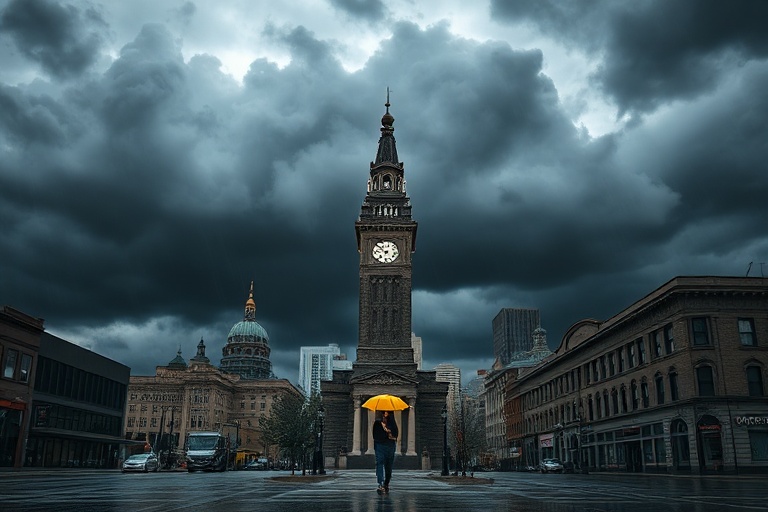
Spokane’s weather is as diverse as its landscape, shifting dramatically from one season to the next. Nestled in the Inland Northwest, the city experiences a semi-arid climate with four distinct seasons, each offering its own unique challenges and charms. Whether you’re a lifelong resident or a newcomer, understanding these patterns can help you prepare for everything from blistering winters to sun-drenched summers.
The Four Seasons of Spokane: A Breakdown
Spokane’s seasonal transitions are marked by sharp contrasts, making it a city of extremes. Winters are long and snowy, while summers are short but warm. Spring and fall serve as brief intermissions, each lasting only a few months. This cycle is driven by the city’s inland location, far from the moderating influence of large bodies of water.
Winter in Spokane typically spans from November through March, with temperatures often dipping below freezing. Snowfall averages around 45 inches annually, though some years see significantly more. The city’s elevation—at 1,898 feet above sea level—contributes to colder temperatures and heavier snowfall compared to nearby lower-elevation areas. Residents often rely on reliable outdoor gear to navigate icy sidewalks and snowy roads.
Winter Highlights
- Snowfall: December through February is the snowiest period, with January typically being the peak month.
- Temperature: Average lows hover around 20°F (-6°C), but subzero nights are not uncommon.
- Daylight: Short days with less than nine hours of sunlight challenge those sensitive to seasonal changes.
Spring arrives abruptly, often in April, bringing milder temperatures and melting snow. However, the season is unpredictable, with sudden cold snaps and occasional late-season snowfall. By May, the city begins to thaw, and residents eagerly anticipate the arrival of summer.
Why Spokane’s Weather Feels More Extreme Than Other Cities
Spokane’s inland climate sets it apart from coastal cities like Seattle or Portland, where temperatures remain more moderate year-round. The lack of a nearby ocean means that Spokane experiences greater temperature swings, both daily and seasonally. This phenomenon is known as a continental climate, and it’s a defining characteristic of the Inland Northwest.
The city’s topography also plays a role. Surrounded by mountains, Spokane can trap cold air in the winter, leading to prolonged periods of frost. Conversely, summer heatwaves can feel oppressive due to the dryness of the air, which prevents the body from cooling efficiently through perspiration.
Key Factors Influencing Spokane’s Weather
- Elevation: At nearly 1,900 feet, Spokane sits high enough to experience colder temperatures than lower-elevation areas.
- Distance from Large Water Bodies: Without the moderating effect of an ocean, temperature extremes are more pronounced.
- Mountain Barriers: The Cascade Mountains block moisture from the Pacific, contributing to the region’s semi-arid conditions.
- Chinook Winds: In late winter, warm, dry winds can cause rapid temperature spikes, melting snow almost overnight.
These factors combine to create a climate that demands adaptability. Residents must be prepared for everything from icy mornings to scorching afternoons, often within the same week.
Navigating Spokane’s Weather as a Resident or Visitor
Living in or visiting Spokane requires an understanding of its weather patterns to avoid surprises. For locals, this means stocking up on winter essentials like snow shovels and ice scrapers before the first major storm. Visitors, particularly those from regions with milder climates, should pack layers and be prepared for sudden changes.
One of Spokane’s most notable weather events is the Chinook wind, a warm, dry breeze that can raise temperatures by 30°F (17°C) in just a few hours. While these winds bring relief from winter’s chill, they can also lead to rapid snowmelt, causing localized flooding in low-lying areas. Residents should stay informed about weather alerts, especially during the late winter and early spring months.
For those who enjoy outdoor activities, Spokane’s weather offers both opportunities and challenges. Winter sports enthusiasts flock to nearby ski resorts like Mount Spokane, while summer hikers explore the region’s trails under clear, sunny skies. However, the dry summer heat can pose risks, such as wildfires, which have become increasingly common in recent years.
Tips for Adapting to Spokane’s Weather
- Layer Your Clothing: Spokane’s temperature swings can be extreme, so dressing in layers ensures comfort throughout the day.
- Stay Hydrated in Summer: The dry air and heat can lead to dehydration, so carry water when spending time outdoors.
- Monitor Weather Alerts: Sign up for local notifications to stay ahead of winter storms or summer fire warnings.
- Invest in Quality Gear: Whether it’s winter tires for your car or a sturdy jacket for outdoor adventures, the right equipment makes a difference.
The Future of Spokane’s Weather: Trends and Predictions
Climate change is altering weather patterns worldwide, and Spokane is no exception. Over the past few decades, the city has seen trends toward warmer winters and more intense summer heatwaves. These changes have implications for everything from agriculture to public health.
Research suggests that Spokane’s snowpack, a critical water source for the region, may decline in the coming years. This could affect water availability for residents and local ecosystems. Additionally, the frequency of wildfires is expected to rise, driven by hotter, drier summers and longer fire seasons.
While these trends pose challenges, they also highlight the importance of sustainable practices. From water conservation to wildfire prevention, Spokane’s future will depend on how well residents and authorities adapt to these changes. Local initiatives, such as tree-planting campaigns and renewable energy projects, are already underway to mitigate some of these impacts.
What to Watch for in the Coming Decades
The following trends are likely to shape Spokane’s weather in the years ahead:
- Reduced Snowfall: Warmer winters may lead to less snow, impacting winter sports and water storage.
- Increased Heatwaves: Summer temperatures could climb higher, increasing the risk of heat-related illnesses.
- More Extreme Weather Events: The region may experience stronger storms, both in winter and summer.
- Earlier Springs: Warmer temperatures could lead to earlier snowmelt and longer growing seasons for agriculture.
Understanding these trends can help residents prepare for the future, whether it’s by upgrading home insulation to withstand heatwaves or supporting local conservation efforts.
Final Thoughts on Spokane’s Weather
Spokane’s weather is a defining feature of life in the Inland Northwest. Its seasonal extremes create a rhythm that residents come to know well, even if they don’t always love it. From the quiet beauty of a snowy morning to the vibrant energy of a summer festival, the weather shapes the city’s character in countless ways.
For those new to the area, patience and preparation are key. The learning curve may be steep at first, but over time, Spokane’s weather becomes part of what makes the city unique. Whether you’re embracing the winter sports season or soaking up the summer sun, there’s always something to appreciate in the ever-changing climate of Spokane.
As the region faces the challenges of climate change, adaptability will be crucial. By staying informed and taking proactive steps, residents can ensure that Spokane remains a vibrant and resilient community for generations to come.