Swansea: A Welsh City Redefining Culture, Nature and Innovation
Swansea: A Welsh Coastal Gem with Global Appeal
Swansea, a city on the southern coast of Wales, blends rich industrial heritage with natural beauty and vibrant cultural life. Often overshadowed by larger UK destinations, Swansea offers a distinct identity shaped by its maritime history, artistic legacy, and forward-looking innovation. From its role in the copper industry to its modern status as a creative hub, the city continues to redefine itself on the world stage.
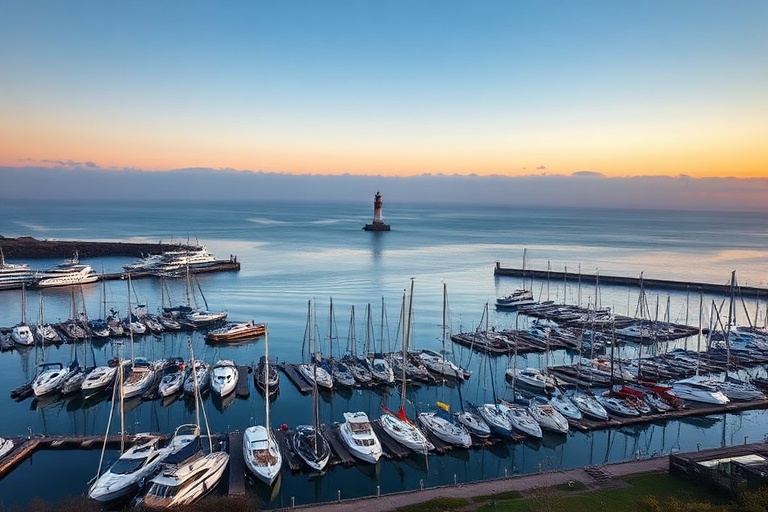
Geographically, Swansea occupies a strategic position between rolling hills and the sweeping Swansea Bay. Its coastline stretches over 20 miles, featuring sandy beaches, rugged cliffs, and the iconic Gower Peninsula, the UK’s first designated Area of Outstanding Natural Beauty. This combination of urban accessibility and wild natural scenery creates a unique atmosphere that attracts visitors from across Europe and beyond.
The Cultural Renaissance of a Maritime City
Swansea’s cultural identity has been shaped by centuries of trade, migration, and creativity. In the 18th and 19th centuries, the city thrived as a global center for copper smelting, earning the nickname “Copperopolis.” While heavy industry has declined, its legacy endures in the architecture of the city center and the enduring pride of its people.
Today, Swansea is carving a new reputation as a cultural destination. The Dylan Thomas Centre, dedicated to Wales’ most celebrated poet, stands at the heart of the city’s artistic revival. The annual Dylan Thomas Festival and Swansea International Festival draw international artists, writers, and performers, transforming the city into a lively stage for contemporary and classic works.
The city’s music scene also reflects its global connections. Local bands like The Joy Formidable and Super Furry Animals have gained international recognition, while venues such as the Brangwyn Hall and the Swansea Arena host world-class performances. From orchestral symphonies to indie gigs, Swansea’s cultural calendar offers something for every taste.
Nature and Adventure: The Call of the Gower
The Gower Peninsula, just west of Swansea, is one of the UK’s most treasured natural landscapes. Its diversity—from limestone cliffs and salt marshes to ancient woodlands and secluded coves—makes it a haven for outdoor enthusiasts. Rhossili Bay, often ranked among the world’s best beaches, attracts surfers, hikers, and photographers from across the globe.
Adventure tourism is thriving in the region. Activities such as coasteering, kayaking, and horseback riding allow visitors to experience the peninsula’s rugged beauty up close. Meanwhile, the Wales Coast Path, which passes through Swansea, offers a 870-mile journey along the entire Welsh coastline, inviting long-distance walkers to explore at their own pace.
Local initiatives are also focusing on sustainability. The Gower Landscape Partnership works to protect biodiversity and promote eco-friendly tourism, ensuring that future generations can enjoy this natural wonder. Swansea’s commitment to conservation reflects a growing global awareness of the need to balance development with environmental stewardship.
A Modern City with Global Connections
Swansea’s economy has evolved significantly in recent decades. While traditional industries have declined, new sectors such as digital technology, advanced manufacturing, and renewable energy are taking root. The SA1 Waterfront Development, a £1 billion regeneration project, has transformed the city’s docklands into a thriving business and residential hub. Tech startups and creative agencies now share space with historic warehouses, creating a dynamic ecosystem of innovation.
The city is also positioning itself as a gateway for international education. Swansea University, a Russell Group institution, attracts over 20,000 students from more than 130 countries. Its research in fields like medicine, engineering, and computer science contributes to global knowledge while enriching the local community with cultural diversity.
Swansea’s transport links further enhance its global accessibility. Direct train services connect the city to London in under three hours, while Swansea Airport offers limited regional flights. The proposed Swansea Bay tidal lagoon project, though stalled, highlighted the city’s potential as a leader in green energy innovation.
Why Swansea Matters on the World Stage
Swansea may be modest in size, but its influence extends far beyond its borders. Its story reflects broader global trends—industrial decline, cultural reinvention, environmental responsibility, and the rise of knowledge-based economies. As cities worldwide grapple with similar challenges, Swansea offers a case study in resilience and adaptation.
Culturally, it challenges stereotypes about post-industrial regions. Rather than being defined by its past, Swansea embraces a forward-looking identity rooted in creativity, nature, and community. Its festivals, universities, and creative industries are not just local assets; they are nodes in a global network of cultural exchange.
Environmentally, the city’s relationship with the Gower Peninsula underscores the importance of conservation in urban planning. As climate change intensifies, Swansea’s efforts to protect its coastline and promote sustainable tourism serve as a model for other coastal communities.
Economically, Swansea’s transition from industry to innovation mirrors that of cities like Bilbao in Spain or Pittsburgh in the United States. By investing in education, infrastructure, and green technology, it is positioning itself as a competitive player in the 21st-century global economy.
A City to Watch
For travelers, Swansea offers an authentic Welsh experience without the crowds of more tourist-heavy destinations. Its compact size makes it easy to explore, while its cultural depth rewards those who look beyond the surface. Whether wandering through the Dylan Thomas Centre, hiking the Gower cliffs, or enjoying fresh local seafood at a waterfront restaurant, visitors leave with a sense of discovery.
As the world seeks sustainable models of growth, cultural preservation, and community resilience, Swansea stands as a compelling example. It reminds us that even smaller cities can have outsized global impact when they harness their unique strengths.
In an era when many places struggle to balance tradition and progress, Swansea does both with quiet confidence. It’s a city that invites you to slow down, look closely, and perhaps even stay awhile—because in Swansea, there’s always more beneath the surface.