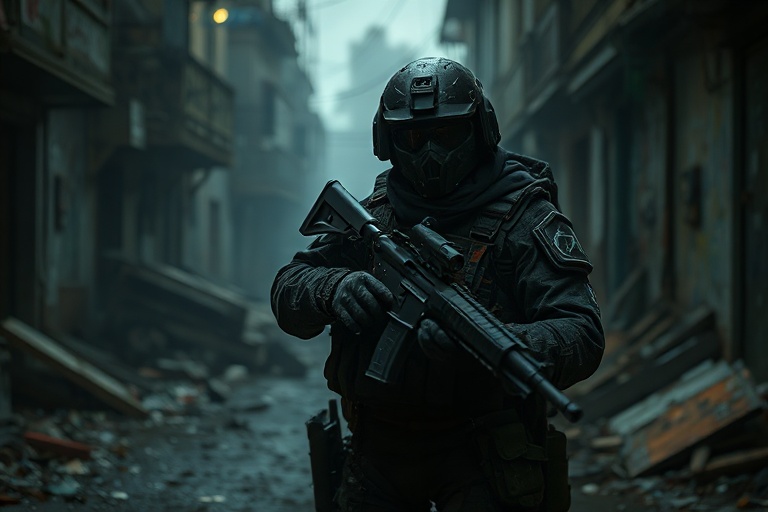
Escape from Tarkov has carved a niche unlike any other in the gaming world. Since its early access release in 2017, the game has evolved from a niche hardcore shooter to a cultural touchstone for tactical FPS enthusiasts. Its blend of punishing gameplay, immersive atmosphere, and unrelenting tension has cultivated a dedicated player base willing to endure extreme frustration for moments of triumph.
What began as a small indie project has grown into a phenomenon that challenges players to master real-world ballistics, stamina management, and psychological endurance. The game’s reputation for ruthlessness isn’t accidental—it’s by design. Every match is a high-stakes gamble where one misstep can mean losing hours of progress. This unforgiving nature has not only defined Tarkov’s identity but also fueled its rapid expansion into mainstream gaming consciousness.
The Core Appeal: Why Players Keep Coming Back
At its heart, Escape from Tarkov is a survival simulator disguised as a first-person shooter. Players take on the role of a mercenary trapped in the fictional Norvinsk region, where they must scavenge, fight, and escape with valuable loot. The game’s appeal lies in its authenticity. Unlike many shooters that prioritize accessibility, Tarkov forces players to learn ballistics, recoil patterns, and environmental hazards. A round in Reserve isn’t just a match—it’s a test of preparedness.
The tension is palpable. A single gunshot can draw attention from AI-controlled Scavs or player scavengers, turning every corner into a potential death trap. The game’s “hideout” system adds another layer of strategy, allowing players to upgrade their base, craft supplies, and reduce reliance on risky raids. This depth transforms Tarkov from a game into a long-term commitment, rewarding patience and persistence.
For many, the allure is the constant challenge. The game doesn’t coddle players. It teaches through failure. A new player might die 20 times before extracting even a single piece of loot. But when they finally survive a raid, the rush of adrenaline is unmatched. This cycle of struggle and reward creates a uniquely addictive experience—one that keeps players engaged for years.
Behind the Scenes: The Business and Development Struggle
Escape from Tarkov’s journey hasn’t been smooth. Behind the polished facade lies a turbulent development history. Battlestate Games, the studio behind Tarkov, has faced its share of controversies, including delays, bug reports, and accusations of mismanagement. The game’s initial launch was plagued by performance issues, with frequent server crashes and glitches disrupting matches. These early problems nearly derailed the game’s reputation before it could gain traction.
Yet, Battlestate’s relentless patch cycle has turned adversity into strength. The studio has embraced a “live service” model years before the term became industry standard. Major updates—like the introduction of the Hideout, new maps, and refined gunplay—are released with surprising frequency. While some players criticize the game’s monetization, particularly the high cost of premium gear, others argue that the real currency is time and skill, not money.
The game operates on a unique economy. Players can buy and sell items on the in-game Flea Market, creating a player-driven economy that mirrors real-world supply and demand. High-tier gear is rare, making it a status symbol. This scarcity drives competition, but it also fosters a sense of community. Players share knowledge, trade tips, and even form groups to tackle the game’s toughest challenges together.
Key Aspects of Tarkov’s Development and Community
- Live Service Model: Battlestate Games has refined Tarkov through continuous updates, balancing new content with bug fixes and optimizations.
- Player-Driven Economy: The Flea Market allows for organic price fluctuations, creating a dynamic in-game market that reflects player behavior.
- Hardcore Gameplay Loop: The steep learning curve and punishing consequences ensure that every raid feels earned, not handed out.
- Community-Driven Knowledge: Forums, YouTube guides, and Discord servers are filled with player-created content, tutorials, and lore discussions.
Beyond the Game: Tarkov’s Cultural and Competitive Impact
Escape from Tarkov has transcended its status as a video game. It has become a cultural touchstone within the tactical shooter genre, influencing other titles like Call of Duty: DMZ and standalone projects inspired by its mechanics. The game’s emphasis on realism and consequence has redefined expectations for what a competitive shooter should deliver.
Competitive play has also emerged as a major component. While Tarkov lacks a traditional esports scene, community-run tournaments and PMCs (Private Military Companies) have fostered a competitive environment. Players compete not just for loot, but for reputation and skill validation. The game’s high-stakes nature makes every match feel like a high-pressure event, even in casual play.
Moreover, Tarkov has inspired a wave of content creators. YouTube and Twitch are flooded with “Tarkov Stories”—tales of epic comebacks, tragic losses, and unforgettable moments. These narratives have turned the game into a form of interactive storytelling, where players don’t just play the game, they live it. The emotional investment is palpable, with players forming attachments to their gear, their characters, and even their virtual corpses.
The game’s influence extends beyond gaming. Its realistic ballistics system has been praised by firearms enthusiasts and even used as a training tool for marksmanship. The attention to detail—from bullet drop to recoil patterns—has set a new standard for authenticity in shooters. This level of realism has drawn comparisons to military simulations, blurring the line between entertainment and education.
Is Tarkov Worth the Grind?
For all its appeal, Escape from Tarkov is not for everyone. The game demands time, patience, and a high tolerance for frustration. New players will die repeatedly. They’ll lose gear. They’ll rage-quit. But for those who persist, the rewards are unparalleled. The moment you finally extract with a backpack full of loot, after outsmarting every enemy and avoiding every trap, is a feeling that few games can replicate.
Tarkov’s future looks bright. With the upcoming release of its standalone sequel and continued support for the original, Battlestate Games shows no signs of slowing down. The game’s community continues to grow, with new players joining every day, drawn in by word-of-mouth acclaim or viral clips of incredible plays.
Ultimately, Escape from Tarkov is more than a game. It’s a test of skill, a test of will, and a test of endurance. It rewards those who are willing to suffer—to learn from every death, to adapt to every challenge, and to push through the frustration. In a gaming landscape dominated by polished, accessible titles, Tarkov stands out as a brutal, uncompromising experience. And for its dedicated player base, that’s exactly why they keep coming back.