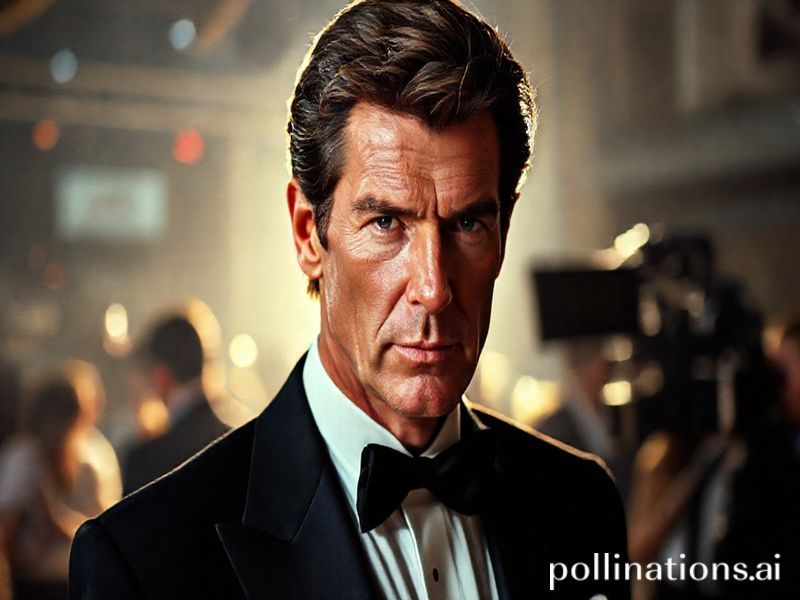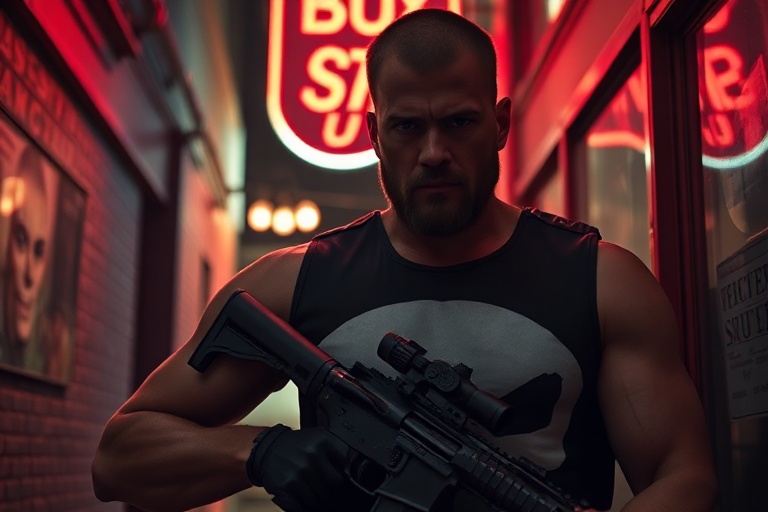
The Punisher is one of Marvel’s most recognizable and divisive characters—a figure who has evolved from a brutal vigilante in the pages of comic books to a mainstream pop culture phenomenon. Unlike traditional superheroes, Frank Castle, the man behind the skull-emblazoned vest, operates without the moral constraints of figures like Spider-Man or Captain America. His methods are lethal, his tactics uncompromising, and his presence undeniably impactful. Over the decades, The Punisher has transcended comic book pages to influence television, film, and even real-world discussions about justice and vengeance.
Created by writer Gerry Conway and artists John Romita Sr. and Ross Andru, The Punisher first appeared in The Amazing Spider-Man #129 in 1974. Initially introduced as a villain—a mob enforcer named Wilson Fisk who murdered Spider-Man’s girlfriend Gwen Stacy—Frank Castle’s origin story was later reimagined. After his family was murdered by the mob in a case of mistaken identity, Castle adopted the identity of The Punisher, a military veteran turned one-man war on crime. His black-and-white costume, adorned with a white skull, became a symbol of unrelenting retribution.
The Evolution of Frank Castle’s Character
Frank Castle’s character has undergone significant changes since his debut. In the 1970s and 1980s, he was portrayed as a ruthless antihero, often clashing with other Marvel characters. Stories like The Punisher (1986) by Mike Baron and The Punisher MAX series by Garth Ennis redefined the character, delving into his military background and psychological complexity. These narratives emphasized his trauma, discipline, and unwavering commitment to his mission.
The 1980s also saw The Punisher expand beyond comics. He appeared in novels, video games, and even a 1989 film starring Dolph Lundgren. However, it was the 2004 video game The Punisher, featuring Thomas Jane, that introduced the character to a broader audience. Jane’s portrayal emphasized Castle’s humanity, blending his violent actions with moments of vulnerability. This duality became a defining trait of the character, setting the stage for future adaptations.
Television and Film: The Punisher’s Mainstream Breakthrough
The Punisher’s most significant cultural shift came with Netflix’s Marvel’s The Punisher (2017–2019), starring Jon Bernthal. Bernthal’s performance humanized Frank Castle, portraying him as a man haunted by his past and struggling with PTSD. The show explored themes of grief, moral ambiguity, and the consequences of vigilantism. Unlike earlier adaptations, Bernthal’s Castle was not just a killing machine; he was a deeply flawed individual grappling with his own humanity.
The Netflix series also introduced a more nuanced portrayal of the character’s relationships. Castle’s bond with his family—both biological and found—added emotional depth to his violent crusade. His interactions with characters like Micro (Ebon Moss-Bacham) and Karen Page (Deborah Ann Woll) highlighted his capacity for loyalty and sacrifice. This approach resonated with audiences, making The Punisher one of Netflix’s most critically acclaimed Marvel shows.
In 2022, The Punisher made his return to the big screen in The Punisher: War Zone (2008) and The Punisher (2024) on Disney+. The latter, starring Jon Bernthal again, continues to explore the character’s psychological toll while expanding his mythos. These adaptations reflect the character’s enduring appeal—a figure who challenges audiences to question the nature of justice.
The Punisher’s Influence on Pop Culture and Real-World Discussions
The Punisher’s skull logo has become one of the most recognizable symbols in pop culture. It has been co-opted by various groups, both within and outside the context of the character. While some see it as a symbol of resistance against corruption, others have appropriated it for extremist purposes. This duality underscores the character’s complex legacy—one that transcends comic book lore.
The character has also influenced real-world discussions about vigilantism, justice, and morality. In an era where debates about policing, accountability, and systemic corruption dominate headlines, The Punisher serves as a fictional lens through which these issues are examined. His uncompromising stance—taking the law into his own hands—raises questions about the limits of justice and the consequences of unchecked violence.
Merchandising and Fan Engagement
The Punisher’s skull logo has permeated fashion, art, and merchandise. From streetwear brands like Supreme to high-end collaborations, the character’s aesthetic has become a cultural touchstone. Fans have embraced The Punisher not just as a comic book hero but as a symbol of defiance and resilience.
One notable example is the collectibles market, where The Punisher-themed merchandise—action figures, apparel, and art prints—remains highly sought after. The character’s appeal spans generations, attracting both longtime comic book fans and newcomers drawn to his gritty aesthetic.
Fan engagement has also thrived through cosplay, fan art, and online communities. The Punisher’s iconic look—a tactical vest, combat boots, and a skull-emblazoned shirt—has become a staple at conventions and events. This level of engagement speaks to the character’s enduring relevance in contemporary culture.
The Future of The Punisher
As Marvel continues to expand its universe across multiple platforms, The Punisher’s future remains uncertain yet full of potential. With the character’s popularity undiminished, there are numerous avenues for exploration—from new comic book series to potential film and television projects.
One exciting possibility is a deeper dive into Frank Castle’s military background. Stories like The Punisher: War Journal and Punisher: Born have already touched on his service in the Marines, but there is ample room to expand on his experiences and how they shaped his mission. A narrative focused on his time in special operations could add even greater depth to his character.
Another avenue is exploring The Punisher’s impact on the broader Marvel Universe. How do other characters view him? Does his presence inspire copycats, or does he remain a lone figure in a world of superheroes? These questions could lead to compelling storytelling opportunities.
For now, The Punisher stands as a testament to the power of antiheroes in modern storytelling. His blend of violence, tragedy, and moral ambiguity continues to captivate audiences, ensuring his place in pop culture for years to come.
A Lasting Legacy
The Punisher’s journey from a comic book antihero to a cultural icon is a testament to the character’s depth and versatility. Frank Castle’s story resonates because it reflects real-world struggles—grief, injustice, and the search for meaning in a chaotic world. Whether through comics, television, or film, The Punisher challenges audiences to confront difficult questions about morality, justice, and the cost of vengeance.
As long as these themes remain relevant, The Punisher will endure. His skull-emblazoned vest is more than just a costume; it’s a symbol of unyielding resolve in the face of adversity. In a landscape filled with superheroes who uphold the law, Frank Castle stands apart—a man who answers to no one but himself.
For fans old and new, The Punisher offers a unique perspective on heroism. He is not a savior, nor is he a villain. He is something far more complex: a man who has chosen to wage war on crime, no matter the cost. And in doing so, he has carved out a permanent place in the hearts of those who crave stories that challenge the status quo.