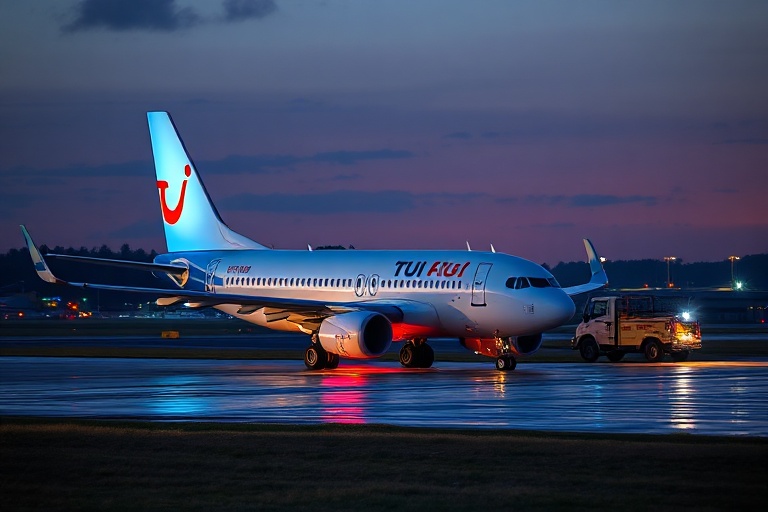
TUI’s Jet Fuel Shift: How Travel Giants Are Embracing Sustainable Aviation
TUI’s Jet Fuel Shift: A Global Move Toward Sustainability in Travel
TUI Group, one of the world’s largest travel and tourism companies, has been making headlines with its evolving approach to jet fuel. As the aviation industry faces increasing pressure to reduce carbon emissions, TUI is taking steps to align its operations with global sustainability goals. This shift isn’t just about corporate responsibility—it reflects broader changes in consumer expectations and regulatory pressures across Europe and beyond.
The company’s initiatives are part of a larger trend in the travel sector, where airlines and tour operators are rethinking their fuel strategies. While some airlines have experimented with sustainable aviation fuel (SAF), TUI’s approach combines operational adjustments with partnerships aimed at long-term decarbonization. This strategy is particularly significant in regions where tourism is a cornerstone of the economy, such as the Mediterranean and the Caribbean.
The Role of Sustainable Aviation Fuel in TUI’s Strategy
Sustainable aviation fuel has emerged as a key tool in reducing the carbon footprint of air travel. Unlike traditional jet fuel, SAF is produced from renewable sources such as waste oils, agricultural residues, or even algae. TUI has been exploring SAF as part of its fuel mix, though its adoption remains limited by availability and cost. The company has partnered with fuel suppliers to pilot SAF on select routes, particularly in Europe where regulatory incentives are strongest.
One of TUI’s most notable efforts involves integrating SAF into its operations in the Nordic countries, where environmental policies are pushing airlines toward greener practices. In Sweden, for example, TUI has collaborated with local airports to facilitate SAF refueling, reducing emissions on flights to popular destinations like Mallorca and Crete. These efforts are more than symbolic—they signal a shift in how major travel companies are responding to climate concerns.
- Regional Differences: Europe leads in SAF adoption due to strict emissions regulations, while other regions lag behind.
- Consumer Demand: Travelers, especially younger generations, increasingly prioritize eco-friendly options when booking flights.
- Economic Challenges: SAF remains significantly more expensive than conventional jet fuel, posing a barrier to widespread adoption.
TUI’s approach also includes optimizing flight routes to reduce fuel consumption. By working with air traffic control and adopting fuel-efficient aircraft, the company aims to minimize its environmental impact without compromising service quality. These operational tweaks may seem small, but they contribute to a broader strategy of incremental sustainability improvements.
Global Tourism and the Pressure to Go Green
The travel industry is at a crossroads. On one hand, tourism is a vital economic driver, supporting millions of jobs worldwide. On the other, air travel accounts for a significant portion of global carbon emissions. TUI’s jet fuel update reflects a growing recognition that the industry must adapt to survive. Countries heavily reliant on tourism, such as Spain, Greece, and Thailand, are particularly vulnerable to climate-related disruptions, making sustainability a necessity rather than an option.
In Europe, where many of TUI’s customers reside, governments are implementing policies to curb aviation emissions. The European Union’s Emissions Trading System (EU ETS) and the upcoming ReFuelEU Aviation initiative are pushing airlines to reduce their carbon footprint. TUI’s efforts to incorporate SAF and improve fuel efficiency align with these regulations, ensuring compliance while positioning the company as an industry leader.
Beyond Europe, other regions are taking notice. In the Caribbean, where tourism is a lifeline for many island nations, there’s a growing movement toward eco-friendly aviation practices. While SAF adoption is slower in these areas due to infrastructure and cost constraints, TUI’s experiments in Europe could serve as a model for future expansion. The company’s willingness to invest in sustainability may also influence other tour operators to follow suit.
Challenges and Criticisms in TUI’s Sustainability Journey
Despite its progress, TUI’s jet fuel strategy faces skepticism from environmental groups. Critics argue that SAF alone is not enough to offset the emissions from mass tourism. Airlines and tour operators must also address over-tourism, which strains local ecosystems in popular destinations. TUI has responded by promoting off-season travel and supporting conservation projects in key tourist hotspots, but some environmentalists remain unconvinced.
Another challenge is the scalability of SAF. While major airlines like KLM and Lufthansa have committed to increasing SAF usage, the fuel currently accounts for less than 1% of global aviation fuel. TUI’s ability to expand its SAF integration depends on industry-wide advancements in production and distribution. Until then, the company must rely on a mix of SAF, operational efficiencies, and carbon offset programs to meet its sustainability targets.
The financial burden of these initiatives is another consideration. Transitioning to greener fuel options requires significant investment, which could impact ticket prices. TUI has balanced these costs by emphasizing the long-term benefits of sustainability, including brand loyalty and regulatory compliance. Still, the company must navigate the delicate balance between affordability and eco-consciousness in a competitive travel market.
What’s Next for TUI and the Travel Industry?
TUI’s jet fuel update is just one piece of a larger puzzle. The company’s sustainability efforts extend beyond aviation to include hotel energy efficiency, waste reduction, and responsible tourism practices. As the industry evolves, TUI’s approach could serve as a blueprint for other tour operators looking to align with global climate goals.
For travelers, the shift toward sustainable aviation fuel may soon become a deciding factor in booking decisions. Companies that prioritize eco-friendly practices are likely to gain a competitive edge, especially as younger generations increasingly demand transparency and accountability from the brands they support. TUI’s willingness to adapt could reinforce its position as a trusted name in travel, even as the industry faces unprecedented challenges.
Looking ahead, the success of TUI’s jet fuel strategy will depend on collaboration—between airlines, fuel producers, governments, and consumers. If these stakeholders can work together to overcome the barriers to SAF adoption, the travel industry may finally begin to reconcile its growth with environmental responsibility.
For now, TUI’s efforts represent a promising step forward. Whether it’s enough to transform the industry remains to be seen, but the conversation around sustainable aviation fuel is no longer a niche discussion. It’s a global imperative.