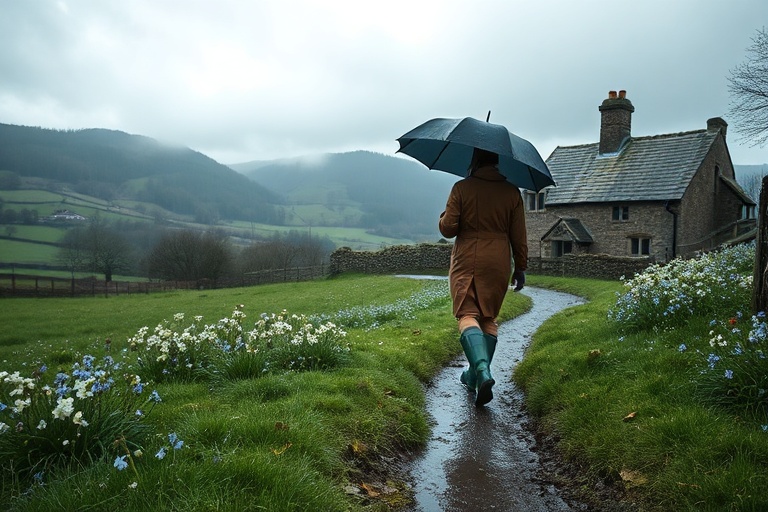
uk spring weather forecast
The arrival of spring in the UK brings a mix of hope and unpredictability. After a winter marked by storms and flooding in some regions, meteorologists are closely watching how the season will unfold. The transition from March to May often delivers a rollercoaster of conditions—sunny afternoons followed by chilly evenings, sudden downpours, and even the occasional late snowfall. This year, long-range models suggest a spring that leans toward the milder side, though with notable variations across the country.
March: A Mixed Bag of Early Spring Conditions
March typically serves as the gateway to spring, but in 2024 it may feel more like a continuation of winter in some areas. The Met Office’s early projections indicate that temperatures could hover slightly below the seasonal average during the first half of the month. Overnight frosts remain a possibility, particularly in northern and central regions such as Scotland, Yorkshire, and the Midlands.
However, there’s a silver lining. Daytime highs are expected to gradually climb, reaching 8–12°C in southern England and 6–9°C further north. Rainfall patterns suggest a wetter-than-average start to March, especially in western areas like Wales and Cornwall, where persistent Atlantic systems could bring heavy showers. Meanwhile, eastern counties may experience drier spells, offering brief windows of sunshine.
For those eager to shed their winter layers, patience will be key. Gardening enthusiasts should note that soil temperatures may lag behind air temperatures, delaying the planting of tender crops until late in the month.
Key March Takeaways
- Temperatures: Slightly below average, with overnight frosts common
- Rainfall: Above average in western regions, near average elsewhere
- Sunshine: Limited in the north and west, improving in the southeast by month’s end
April: The Month of Transition
April is often the most unpredictable month of the year in the UK, and 2024 appears to be no exception. Long-range forecasts from the European Centre for Medium-Range Weather Forecasts (ECMWF) suggest a gradual warming trend, with average temperatures settling between 9–14°C across much of England and Wales. Scotland and Northern Ireland may see slightly cooler conditions, ranging from 7–12°C.
One of the most notable features of April is its susceptibility to sharp temperature swings. A classic example is the phenomenon known locally as “Blackthorn Winter,” where late cold snaps coincide with the blossoming of blackthorn hedges. This year, there’s a moderate chance of such events occurring, particularly in the first two weeks of April.
Rainfall distribution in April is expected to be uneven. Southern and eastern England could experience drier conditions, ideal for outdoor activities and Easter celebrations. In contrast, northern England and parts of Scotland may face frequent showers, keeping soil moisture levels high. The risk of thunderstorms also begins to rise toward the end of the month, especially in the southeast.
For outdoor enthusiasts, April offers a mixed bag. Ramblers and hikers in the Lake District or Snowdonia might encounter muddy trails and misty summits, while those in East Anglia or Kent could enjoy crisper, clearer days.
April Outlook at a Glance
- Temperature range: 7–14°C, with occasional cold snaps
- Rainfall: Above average in the north, near or below average in the south
- Sunshine: Increasing in the southeast, limited in northern uplands
May: A Prelude to Summer?
By May, the UK typically begins to feel more like summer, though the weather can still surprise. This year, early indications suggest that May could lean warmer than average, with daytime temperatures potentially reaching 15–19°C in southern England and 12–16°C across northern regions. Nights remain cool, especially in rural areas, where temperatures can dip into single digits.
The jet stream’s position will play a crucial role in determining May’s character. If it shifts northward, high pressure could dominate, bringing prolonged dry and sunny spells. However, if it remains south of the UK, the country could be subject to a series of Atlantic lows, resulting in frequent rain and blustery winds.
One of the standout features of May is the increase in daylight hours. By the end of the month, sunset occurs after 9 p.m. in southern England, and even in northern Scotland, evenings stay light until nearly 10 p.m. This extended daylight offers ample opportunity for alfresco dining, garden parties, and late-evening walks.
Gardeners will be pleased to see that soil temperatures finally catch up with air temperatures, making it an ideal time to plant summer bedding and tender vegetables. However, late frosts remain a possibility, particularly in inland and upland areas, so vigilance is advised when protecting tender plants.
May Weather Highlights
- Temperature trend: Warmer than average, with highs of 15–19°C possible
- Rainfall: Variable; drier in the southeast, wetter in the northwest
- Sunshine: Generally improving, especially in the south and east
Regional Variations: Where to Expect the Most Change
The UK’s diverse geography ensures that spring weather varies significantly from one region to another. Southern England often enjoys the mildest conditions, with earlier signs of spring and longer stretches of dry weather. In contrast, northern Scotland and the uplands of Wales and northern England can experience lingering winter conditions well into April.
Coastal areas, particularly in the southwest, benefit from the moderating influence of the Atlantic, resulting in milder but wetter springs. Inland regions, especially in the east, tend to be drier but cooler, particularly under clear night skies.
Urban areas like London and Manchester may experience slightly warmer temperatures due to the urban heat island effect, but they also face higher pollution levels and occasional heat pockets during sunny spells. Rural communities, on the other hand, often contend with greater temperature extremes and more persistent fog in low-lying areas.
For those planning trips or outdoor events, it’s wise to check regional forecasts closer to the date. The Travel section of Dave’s Locker offers curated guides to seasonal weather across popular UK destinations.
Spring Weather by Region
| Region | March | April | May |
|---|---|---|---|
| Southern England | Cool, wet start | Mild, drier spells | Warm, sunny periods |
| Northern England | Cold, snow possible | Unsettled, frequent showers | Improving, warmer |
| Scotland | Very cold, late frosts | Cool, wet | Mild, but still changeable |
| Wales | Wet, windy | Unsettled, showers | Warmer, some sunshine |
How to Prepare for a Changeable Spring
Spring in the UK demands adaptability. Whether you’re a commuter, a gardener, or an outdoor enthusiast, being prepared can make all the difference. Start by investing in versatile clothing: a lightweight waterproof jacket is essential, as are layers that can be easily added or removed. Waterproof footwear is also a must, especially in regions prone to flooding or persistent rain.
Gardeners should delay planting frost-sensitive species until late April or May. Instead, focus on hardy varieties like pansies, violas, and early potatoes, which can tolerate cooler soil temperatures. Mulching and using cloches can help protect young plants from sudden cold snaps.
For those planning events, consider flexible arrangements. Outdoor weddings, festivals, and sports fixtures should have contingency plans in place, such as marquees or indoor alternatives. The News section on Dave’s Locker regularly