UFC Post-Fight Press Conferences: Inside the Octagon of Words
The octagon silence is shattered the moment a UFC fight ends, but the conversation truly begins at the post-fight press conference. This is where raw emotion meets measured words, where champions confront their next challenges, and where the media dissects every punch, kick, and decision. These gatherings are more than just formalities—they are essential windows into the minds of the athletes who define the sport.
Unlike other combat sports, the UFC’s press conferences carry a unique weight. They blend sports journalism with entertainment, offering fans insights that social media clips simply can’t provide. From triumphant declarations to humbling admissions, these moments shape narratives that extend far beyond the cage.
The Structure of a UFC Press Conference
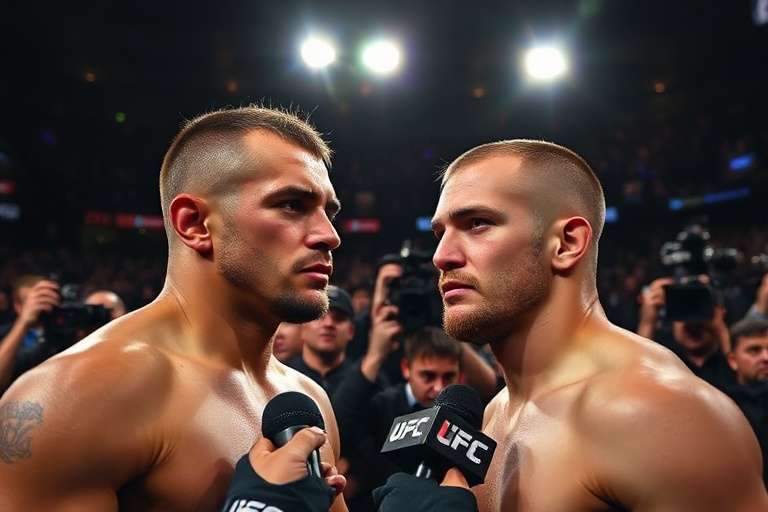
A standard UFC post-fight press conference follows a predictable yet dynamic structure. It begins with the victorious fighter entering first, often greeted by cheers from the assembled media. Cameras flash as they take their seat, usually flanked by their team and a UFC representative. The defeated fighter follows shortly after, their entrance carrying a different energy—one of reflection or frustration.
The UFC’s communications team typically moderates the event, ensuring questions remain within acceptable boundaries. Each fighter is given the opportunity to address the media, usually in a brief opening statement before the floor opens for questions. These sessions last anywhere from 20 to 45 minutes, depending on the significance of the fight and the fighters involved.
Notable exceptions to this format occur when a fighter is injured or emotionally drained. In such cases, interviews may be conducted separately or delayed. The UFC has also experimented with remote press conferences during global events, though in-person gatherings remain the gold standard for authenticity.
Key Moments That Define Press Conferences
Some post-fight press conferences become legendary for reasons beyond the fight itself. One such example is Conor McGregor’s 2015 appearance after knocking out José Aldo in 13 seconds. His confidence was palpable, his swagger unmatched, and his words set the tone for his superstardom.
Another unforgettable moment came in 2017 when Georges St-Pierre returned to the welterweight division to face Michael Bisping. GSP’s humility and respect for his opponent contrasted sharply with McGregor’s bravado, showcasing the diversity of fighter personalities at these events.
Controversies also arise. After UFC 229 in 2018, Khabib Nurmagomedov’s post-fight interview became a spectacle of its own after he climbed the cage and engaged with McGregor’s team. The UFC later adjusted security protocols to prevent such incidents.
What Press Conferences Reveal About Fighters
Beyond the soundbites, press conferences expose the mental and emotional layers of a fighter’s journey. A fighter like Israel Adesanya, for instance, often speaks with poetic precision, revealing a deep appreciation for the sport’s artistry. His interviews post-fight are as polished as his striking, offering fans a glimpse into his disciplined mindset.
In contrast, fighters like Francis Ngannou have used these platforms to share raw, unfiltered perspectives on their struggles—whether in the gym, in negotiations, or in their personal lives. Ngannou’s candidness has made him one of the most relatable champions in UFC history.
These conferences also highlight the evolution of fighters over time. Jon Jones, for example, has shifted from a brash young contender to a more measured veteran, reflecting his growth both inside and outside the cage.
The Role of Media in Shaping Narratives
Journalists play a critical role in these press conferences, often steering conversations toward broader themes. Questions about rivalries, future opponents, or personal struggles can elevate a simple post-fight chat into a compelling story.
The UFC’s own media team also curates these events strategically. Fighters with compelling backstories or rivalries are often given more airtime, helping to build anticipation for future matchups. This calculated approach ensures that press conferences serve the league’s promotional goals while still providing genuine insights.
For fans, these interactions offer a chance to connect with fighters on a personal level. Whether it’s a champion thanking their team or a contender vowing to return stronger, these moments humanize the athletes behind the spectacle.
Challenges and Controversies
Despite their importance, UFC post-fight press conferences are not without challenges. One recurring issue is fighter availability. Injuries, contractual disputes, or personal emergencies can lead to last-minute cancellations, leaving journalists and fans disappointed.
Language barriers also pose difficulties. Fighters who primarily speak a language other than English often rely on translators, which can dilute the authenticity of their responses. The UFC has attempted to address this by hiring bilingual staff, but miscommunications still occur.
Controversies, too, are inevitable. Fighters may say something inflammatory, or journalists might push boundaries with overly personal questions. The UFC has had to implement guidelines to balance transparency with respect for the athletes.
How Fighters Prepare for Press Conferences
Behind the scenes, fighters and their teams prepare extensively for these events. Media training is now a standard part of a fighter’s regimen, ensuring they can articulate their thoughts clearly and avoid saying something regrettable.
Some fighters, like Amanda Nunes, have developed a reputation for delivering concise and thoughtful responses. Others, like Colby Covington, use the platform to stoke rivalries or express frustration with matchmaking. Regardless of style, preparation is key to making the most of these opportunities.
The UFC also provides support, offering talking points or even scripting portions of a fighter’s opening statement. This behind-the-scenes guidance helps maintain a professional image while allowing fighters to express their personalities.
The Future of UFC Press Conferences
As the UFC continues to expand globally, the format of post-fight press conferences is evolving. Virtual press conferences, hybrid events, and even AI-generated summaries are being explored to meet the demands of a 24/7 news cycle.
Social media has also changed the game. Fighters now have direct platforms to share their thoughts instantly, reducing the urgency of traditional press conferences. However, the UFC’s in-person events still hold more weight due to their exclusivity and the presence of top-tier journalists.
Looking ahead, the UFC may experiment with more interactive formats, such as live Q&A sessions with fans or themed press conferences tied to major events. These innovations could further blur the line between athlete and audience, creating deeper connections.
Why Press Conferences Matter to Fans
For fans, post-fight press conferences are more than just PR exercises—they are part of the storytelling that makes the UFC compelling. They offer a behind-the-scenes look at the personalities driving the sport, from the champions to the underdogs.
Fans can track a fighter’s journey over time, witnessing their growth, struggles, and triumphs through these interactions. Whether it’s a fighter vowing revenge, expressing gratitude, or simply cracking a joke, these moments create lasting memories.
The UFC’s ability to cultivate these narratives has been a key factor in its global success. Press conferences are not just about answering questions—they’re about building legends.
Conclusion: More Than Just Words
UFC post-fight press conferences are a microcosm of the sport itself—intense, unpredictable, and deeply human. They are where champions are made not just in the cage, but in the spotlight of the media room.
For fighters, these moments are opportunities to control their narratives, whether through humility, defiance, or humor. For fans, they provide a connection to the athletes they admire. And for the UFC, they are vital tools for storytelling and promotion.
As the sport continues to evolve, one thing remains certain: the post-fight press conference will always be a cornerstone of the UFC experience.
For more insights into UFC events and fighter profiles, visit our News and Analysis sections.