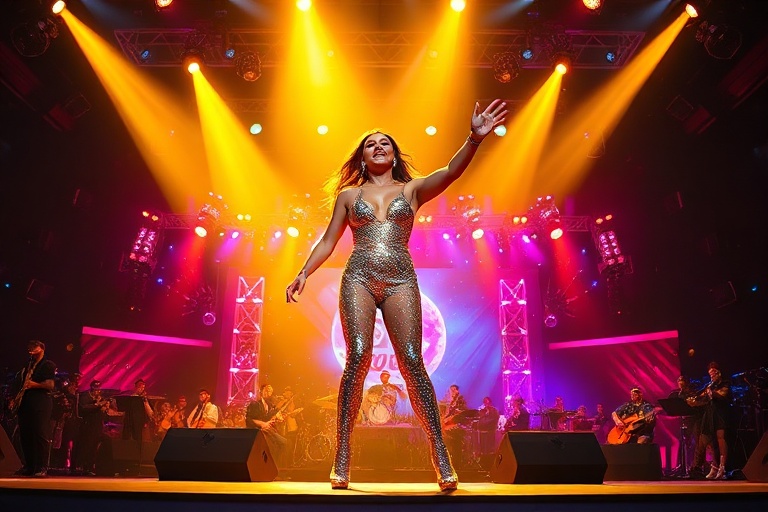
Each year, the Eurovision Song Contest brings nations together for a celebration of music, culture, and fierce competition. For the United Kingdom, participation is more than just a performance—it’s a chance to reclaim its place in a contest it once dominated. The selection process, public reaction, and artistic direction all play pivotal roles in shaping the UK’s Eurovision entry.
How the UK Selects Its Eurovision Entry
The BBC has historically used internal selections to choose the UK’s representative, though public involvement has increased in recent years. Since 2021, the UK has participated in the Eurovision: You Decide show—a televised competition designed to give viewers a direct say in the selection. This format allows for a mix of established artists and fresh talent to be considered, though it has faced mixed reviews from fans and critics alike.
The selection process typically unfolds over several weeks, culminating in a live final where the winner is chosen by a combination of jury and public vote. The BBC often invites songwriters from across the UK to submit entries, with the broadcaster narrowing down the field before the televised stage. In 2023, Mae Muller represented the UK with “I Wrote a Song,” a track that blended pop sensibilities with a message of self-empowerment. Despite its catchy melody, the song finished in 25th place, sparking renewed debate about the UK’s Eurovision strategy.
Key Moments in UK Eurovision Selection History
- 2017: Lucie Jones performed “Never Give Up on You,” finishing in 15th place and marking a return to higher placements.
- 2020: The UK was set to compete with James Newman’s “My Last Breath” before the contest was canceled due to the COVID-19 pandemic.
- 2022: Sam Ryder took the UK to its best result in decades with “Space Man,” finishing in 2nd place and revitalizing national interest.
- 2024:
Olly Alexander, frontman of Years & Years, will represent the UK with “Dizzy,” a song blending retro pop with modern production.
Public and Critical Reception: A Divided Audience
Fan reactions to the UK’s Eurovision entries have become increasingly polarized. While some supporters embrace the country’s bold artistic choices, others argue that the selections often lack the flair or authenticity that propels other nations to the top. The 2023 entry, “I Wrote a Song,” was praised for its lyrical depth and catchy hook, yet its low placement reinforced concerns about the UK’s ability to compete on equal footing with countries that prioritize spectacle and stagecraft.
Critics frequently point to the UK’s historical success—including victories in 1967, 1969, 1976, and 1997—as evidence that the nation should aim higher. Sam Ryder’s 2022 performance, which earned the UK its best result since 1998, proved that a well-crafted pop song with strong vocals and visuals could resonate with both juries and audiences. This success has led to calls for the BBC to invest more in production, choreography, and songwriting to elevate future entries.
The public’s role in shaping the UK’s Eurovision journey cannot be overstated. Social media buzz often amplifies the impact of a performance, with viral moments—such as Ryder’s energetic stage presence or Olly Alexander’s retro-inspired aesthetic—driving engagement. However, backlash can also be swift, particularly when entries are perceived as generic or lacking originality. For example, the UK’s 2021 entry, “Embers” by James Newman, finished last, drawing criticism for its underwhelming reception and lackluster staging.
Behind the Scenes: The Creative Process of a UK Eurovision Entry
Crafting a Eurovision entry is a meticulous process that begins months before the contest. Songwriters and producers work closely with artists to develop tracks that balance commercial appeal with Eurovision’s unique demands. The goal is to create a song that stands out in a field of 40+ entries while appealing to both juries—who favor originality and composition—and the public, who respond to energy and memorability.
For Olly Alexander’s 2024 entry, “Dizzy,” the creative team drew inspiration from 1970s disco and glam rock, genres that have seen a resurgence in popularity. The song’s retro sound, combined with Alexander’s charismatic stage presence, aims to evoke nostalgia while delivering a modern twist. This approach mirrors the strategies used by other successful entries, such as Sweden’s 2023 winner, “Tattoo” by Loreen, which blended disco with contemporary pop to great effect.
Visuals are equally critical. The BBC’s production team collaborates with choreographers, costume designers, and lighting technicians to create a performance that captivates viewers. A well-executed stage show can elevate a mediocre song, as seen in Ukraine’s 2022 winning performance by Kalush Orchestra, which blended traditional folk elements with hip-hop energy. For the UK, the challenge lies in balancing creativity with the constraints of a limited budget and production timeline.
What Makes a UK Eurovision Entry Stand Out?
- Strong Vocal Performance: A powerful, emotive voice can elevate even a simple melody. Sam Ryder’s soaring vocals in “Space Man” were a key factor in the song’s success.
- Memorable Hook: Eurovision audiences gravitate toward songs with instant recognition. A catchy chorus or repetitive refrain ensures the track sticks in listeners’ minds.
- Striking Visuals: From choreography to stage design, the performance must be visually compelling. Ukraine’s 2022 entry used a mix of traditional dress and modern dance to create a striking contrast.
- Cultural Relevance: Entries that reflect current social themes or musical trends often resonate more deeply. For example, Norway’s 2023 song, “Queen of Kings,” explored themes of self-acceptance and empowerment.
- Jury Appeal: While the public vote drives excitement, juries prioritize songwriting, arrangement, and originality. A track that satisfies both audiences and juries is more likely to succeed.
The Future of the UK in Eurovision
The UK’s Eurovision journey is at a crossroads. After years of mixed results, there is a growing consensus that the nation must rethink its approach to remain competitive. The BBC has hinted at potential changes, including greater transparency in the selection process and increased investment in production. Olly Alexander’s 2024 entry, “Dizzy,” represents a bold step forward, blending retro influences with modern flair.
Fan communities, such as those on Dave’s Locker, have become vocal advocates for reform. Discussions often center on the need for more diverse songwriting teams, a shift away from formulaic pop, and a greater emphasis on storytelling. The UK’s 2022 success proved that a well-executed entry can capture the world’s attention, but sustaining that momentum requires consistency and innovation.
Looking ahead, the UK must also contend with the evolving landscape of the contest. Newer entrants from countries like Australia and Georgia have raised the bar with innovative performances, while traditional powerhouses like Sweden and Italy continue to dominate. The BBC’s challenge will be to strike a balance between honoring the UK’s Eurovision legacy and embracing the contest’s ever-changing dynamics.
One potential avenue for growth is collaboration. Partnering with international producers or songwriters could bring fresh perspectives to the UK’s entries. Additionally, leveraging the country’s rich musical heritage—from The Beatles to Adele—could inspire more culturally resonant songs. The 2024 entry, with its retro-pop revival, hints at this direction, but only time will tell if it will translate into success on the Eurovision stage.
Conclusion: A New Chapter for UK Eurovision
The UK’s Eurovision journey is a testament to the power of music to unite and inspire. While the country has faced its share of setbacks, recent years have shown a path forward—one that values creativity, authenticity, and bold artistic choices. As Olly Alexander prepares to take the stage in 2024, the nation watches with a mix of hope and anticipation.
Success in Eurovision is never guaranteed, but the lessons learned from past entries—both triumphant and challenging—offer valuable insights. For the UK, the future of its Eurovision story will be written not just on the stage, but in the hearts of the artists, fans, and creators who pour their passion into every note and every performance.
As the contest continues to evolve, one thing remains clear: the UK’s Eurovision journey is far from over. With the right blend of innovation and tradition, the nation could once again rise to the top and remind the world why it was once a Eurovision powerhouse.