Undead Walking: Why Zombies Still Haunt Modern Pop Culture
The undead have shuffled their way from folklore and nightmares into the mainstream, occupying a permanent space in contemporary pop culture. From slow-moving zombies in George A. Romero’s 1968 classic Night of the Living Dead to the hyper-aggressive infected in World War Z, the zombie archetype has evolved dramatically. What began as a metaphor for societal collapse has transformed into a vast, multi-platform phenomenon that reflects modern anxieties about pandemics, consumerism, and the fragility of civilization.
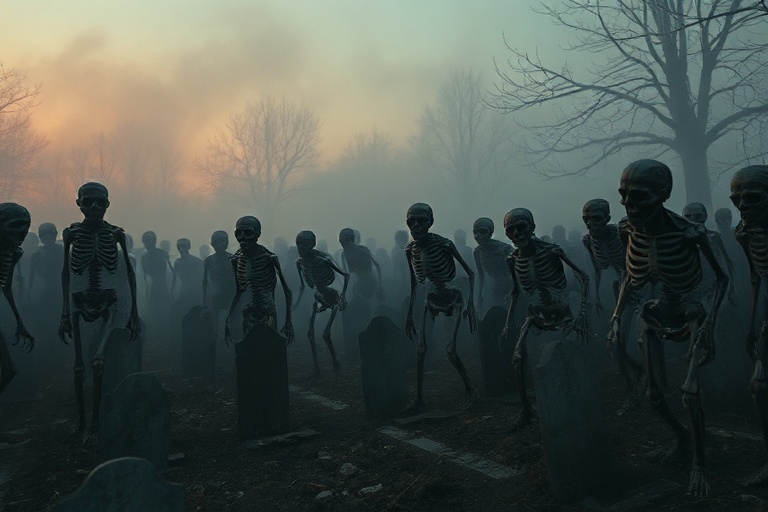
Today, zombies are more than just monsters—they are narrative tools that allow creators to explore complex themes while delivering high-octane entertainment. The undead walking trope has expanded beyond film into television, literature, video games, and even fashion. This cultural omnipresence raises an important question: Why do zombies continue to haunt our collective imagination?
The Evolution of the Zombie: From Romero to the Walking Dead
George A. Romero didn’t invent the zombie, but he redefined it. Inspired by Haitian Vodou and classic horror tropes, Romero’s zombies were slow, shambling corpses driven by an insatiable hunger for human flesh. They weren’t just monsters; they were a critique of consumer culture, racial injustice, and the failures of authority. Films like Dawn of the Dead (1978) used the shopping mall as a setting, transforming it into a symbol of mindless consumption.
Fast-forward to the 21st century, and zombies have shed their shackles—or at least their chains. Modern iterations like 28 Days Later (2002) and The Last of Us (2013) introduced faster, more virulent strains of the undead, reflecting contemporary fears of global pandemics and bioterrorism. These zombies aren’t just mindless; they’re often intelligent, strategic, and terrifyingly adaptable. The shift mirrors real-world concerns about pandemics like COVID-19, where the invisible spread of a virus mirrored the unstoppable progression of a zombie outbreak.
Television has also played a pivotal role in reshaping zombie lore. The Walking Dead, which premiered in 2010, turned the undead walking trope into a long-form character study. The show’s genius lies in its focus on human drama rather than mere survival. Survivors grapple with morality, leadership, and the cost of humanity in a post-apocalyptic world. The zombies themselves are almost secondary to the emotional weight of the series, serving as a constant reminder of what humanity has lost.
Why Zombies Resonate: A Cultural Mirror of Modern Fears
Zombies endure because they embody the anxieties of their time. In the 1960s and 70s, Romero’s zombies reflected Cold War paranoia and the civil rights movement. In the 2000s, the rise of zombie films coincided with fears of avian flu, SARS, and bioterrorism. Today, zombies are often tied to climate change, societal collapse, and the erosion of democracy. They are the ultimate blank slate, allowing each generation to project its fears onto them.
But zombies also offer a form of catharsis. Watching characters survive (or fail) in a zombie apocalypse provides a controlled environment to process real-world crises. The undead walking scenario forces us to confront uncomfortable questions: How would I react in a crisis? What would I sacrifice to survive? Is humanity worth preserving? These aren’t just hypotheticals—they’re the exact questions that define our era.
Zombies also serve as a critique of modern society’s fragility. In a world where supply chains, governments, and even social norms can collapse overnight, the zombie apocalypse feels like a plausible endgame. The undead walking trope isn’t just about horror; it’s a warning. It asks us to consider what we take for granted—and what we might lose.
Zombies Beyond Film: The Undead Walking Through Other Media
The zombie genre has expanded far beyond its cinematic roots. Video games, in particular, have embraced the undead walking theme with remarkable creativity. Titles like The Last of Us, Resident Evil, and Dying Light use zombies as both antagonists and narrative devices, exploring themes of survival, loss, and redemption. These games often place players in morally ambiguous situations, forcing them to make choices that blur the line between hero and villain.
Literature has also seen a surge in zombie narratives. Max Brooks’ World War Z (2006) is a masterclass in world-building, presenting the zombie apocalypse as a global phenomenon through a series of oral histories. Brooks’ work is less about gore and more about the human condition, making it a standout in the genre. Similarly, Zone One by Colson Whitehead reimagines the zombie apocalypse as a surreal, almost literary experience, blending horror with profound social commentary.
Even fashion and art have been influenced by the undead walking trend. Zombie-themed apparel, makeup, and accessories have become staples in alternative fashion circles. Designers like Alexander McQueen and Rick Owens have incorporated zombie aesthetics into their collections, using decay and rebirth as metaphors for transformation. In the art world, artists like Jake and Dinos Chapman have created visceral, confrontational pieces that challenge perceptions of death and decay.
The Future of Zombies: What’s Next for the Undead Walking Trope?
As long as society continues to grapple with existential threats, zombies will remain relevant. However, the undead walking trope is evolving in new directions. One emerging trend is the “zombie burnout” phenomenon, where audiences grow weary of endless apocalyptic narratives. Creators are responding by subverting expectations—think Santa Clarita Diet, which blends zombie horror with dark comedy, or iZombie, which reimagines zombies as detectives solving crimes.
Another exciting development is the rise of interactive zombie narratives. Games like Until Dawn and Detroit: Become Human allow players to shape the story, with zombies serving as catalysts for moral dilemmas. These experiences blur the line between game and narrative, offering a level of immersion that traditional media can’t match.
Looking ahead, the undead walking trope may also intersect with emerging technologies. Virtual reality (VR) and augmented reality (AR) could revolutionize zombie storytelling, placing audiences directly into the apocalypse. Imagine donning a VR headset and surviving a zombie horde in your own living room—it’s a terrifying thought, but one that could redefine horror as we know it.
Key Takeaways: Why Zombies Still Walk Among Us
- Cultural Mirror: Zombies reflect the fears and anxieties of their time, from Cold War paranoia to modern climate change concerns.
- Narrative Flexibility: The undead walking trope allows creators to explore complex themes like survival, morality, and humanity’s fragility.
- Multi-Platform Dominance: Zombies have expanded beyond film into TV, literature, video games, fashion, and art, proving their versatility as a storytelling device.
- Interactive Experiences: Emerging technologies like VR and AR are poised to revolutionize zombie narratives, offering immersive and personalized horror experiences.
- Subversion and Innovation: Creators are finding new ways to reinvent the zombie genre, from dark comedy to interactive storytelling, ensuring its longevity.
A Final Thought: The Undead Walking as a Warning and a Catharsis
The enduring appeal of zombies lies in their duality. They are both a warning and a catharsis—a reminder of what could go wrong and a safe space to process our deepest fears. In a world that feels increasingly uncertain, the undead walking trope offers a way to confront the unthinkable without losing hope. Whether they’re shuffling through a post-apocalyptic wasteland or lurking in the corners of our subconscious, zombies are here to stay.
For those looking to explore the genre further, Dave’s Locker Gaming offers a curated selection of zombie-themed games, while Dave’s Locker Entertainment features reviews and analysis of the latest zombie films and TV shows. The undead may be walking, but they’re also evolving—and we’re along for the ride.