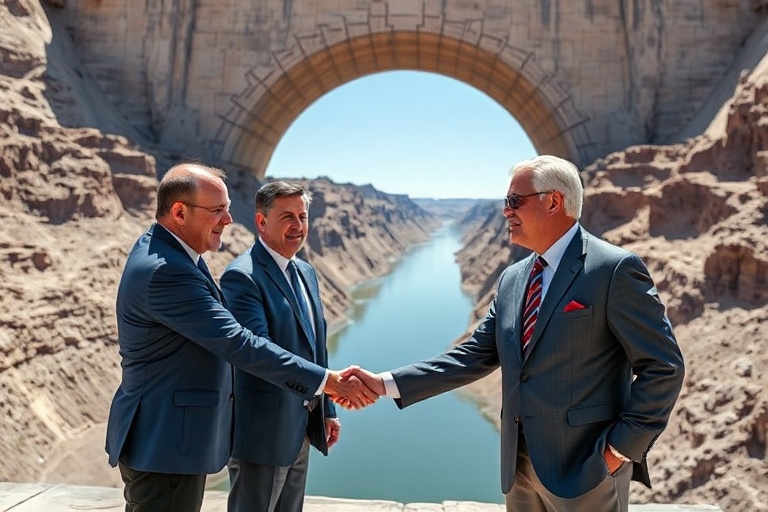
The California-Arizona-Nevada Water Agreement: An Overview
The California-Arizona-Nevada Water Agreement represents a crucial effort to manage and allocate water resources among three significant states in the southwestern United States. With water scarcity becoming an increasingly pressing issue due to climate change, population growth, and agricultural demands, this agreement seeks to address the challenges posed by the over-allocation of the Colorado River’s resources.
Signed in 2007, the agreement was a collaborative effort among the three states, aiming to create a more sustainable framework for water distribution. It was a response not only to the immediate needs of the states involved but also to a broader context that includes environmental concerns and the rights of Native American tribes. The agreement has implications that extend beyond state lines, potentially affecting international relations with Mexico, which also relies on the Colorado River.
Key Components of the Agreement
The agreement is built on several foundational elements that guide how water will be shared and managed. Understanding these components is essential to grasping the significance of the agreement:
- Allocation of Water Rights: Each state has specified rights to certain amounts of water, ensuring that no single state can monopolize this vital resource.
- Conservation Efforts: The agreement includes measures aimed at promoting water conservation, encouraging states to implement practices that reduce waste and increase efficiency.
- Environmental Protections: Recognizing the ecological importance of the Colorado River, the agreement incorporates provisions to protect local habitats and wildlife.
- Collaboration with Native Tribes: The agreement acknowledges the historical water rights of Native American tribes, fostering partnerships that respect their claims.
These components reflect a growing recognition of the need for cooperation in managing shared resources effectively. They also highlight the complexities involved in balancing the needs of urban areas, agriculture, and natural ecosystems.
Global Context of Water Management
The situation surrounding the California-Arizona-Nevada Water Agreement is not unique to the United States. Water scarcity is a global concern, impacting regions from the Middle East to sub-Saharan Africa. Countries around the world are grappling with similar challenges, including:
- Population Growth: As populations expand, the demand for water increases, often outstripping supply.
- Climate Change: Altered precipitation patterns and increased evaporation rates exacerbate water scarcity issues.
- Pollution: Contaminated water sources further limit the availability of clean water for consumption and agriculture.
These challenges necessitate innovative solutions and cooperative agreements that can bridge political and cultural divides. The California-Arizona-Nevada Water Agreement serves as a potential model for collaborative water management, demonstrating that regional cooperation can yield effective outcomes.
Implications for the Future
The long-term success of the California-Arizona-Nevada Water Agreement will depend on several factors. Ongoing collaboration among the states is essential, as is the commitment to adapt to changing environmental conditions. As climate change continues to affect water availability, flexibility within the agreement will be crucial.
Moreover, the agreement’s framework could influence similar negotiations worldwide. By showcasing the importance of joint management and the integration of diverse stakeholder perspectives, it may encourage other regions facing water conflicts to pursue collaborative solutions.
In conclusion, the California-Arizona-Nevada Water Agreement stands as an essential step toward sustainable water management in a region increasingly affected by scarcity. Its components reflect a comprehensive approach that considers the needs of states, the environment, and indigenous rights. As water crises loom on a global scale, the lessons learned from this agreement could prove invaluable in fostering cooperation and ensuring a more secure water future for all.
For more insights into current events and agreements shaping our world, visit our News section.